
While the convenience of checking a wrist-based notification has become a modern standard, the true value of a wearable device lies in its ability to seamlessly integrate into a user’s biological rhythms without demanding constant attention at a charging station. The wearable technology industry has shifted significantly from simple step counting toward a model of holistic health management. In this landscape, the Garmin vívoactive 6 and the Apple Watch Series represent two distinct philosophies regarding how a person should interact with their personal data.
These devices serve as the primary conduits for fitness and wellness tracking, yet they approach the user experience from opposite ends of the spectrum. Apple has built its reputation on ecosystem integration and app versatility, positioning the watch as a literal extension of the iPhone. Conversely, Garmin remains steadfast in its focus on long-term data collection and athletic utility. For many consumers, the choice between these two is no longer just about aesthetics, but about whether they prioritize a miniature computer on their wrist or a dedicated biometric sensor.
Evolution of the Smartwatch Market: Garmin and Apple in Context
The current market reflects a growing demand for devices that can provide a comprehensive picture of health over several days rather than just a few hours. Garmin has historically targeted the dedicated athlete, but with the vívoactive 6, the company has successfully moved into the lifestyle segment. This model offers a streamlined experience that appeals to those who want professional-grade metrics without the rugged, bulky exterior of specialized outdoor watches.
Apple continues to dominate the “smart” side of the equation, offering a deep library of third-party applications and polished communication tools. However, this focus on high-resolution displays and constant connectivity often comes at the expense of long-term tracking consistency. While Apple provides an excellent snapshot of a single day, Garmin’s approach is designed for the marathon of life, emphasizing trends and recovery patterns that require a device to stay on the wrist for a week or more at a time.
Direct Performance and Feature Comparison
Battery Endurance and Charging Frequency
The most glaring disparity between these two titans is found in their power management philosophies. The Garmin vívoactive 6 offers a staggering 11-day battery life in smartwatch mode, a figure that dwarfs the Apple Watch’s requirement for near-daily charging. For a user, this means the difference between a device that tracks every minute of sleep and recovery versus one that often sits on a nightstand during the most critical hours of biometric monitoring.
When activity tracking is engaged frequently, the gap remains significant. Frequent GPS use will deplete any battery, but the Garmin is engineered to maintain continuous monitoring without the anxiety of a mid-day shutdown. This technical advantage allows for a more fluid experience, as users do not have to plan their lives around the availability of a power outlet. The Apple Watch provides a high-resolution, high-refresh-rate experience, but the cost is a persistent cycle of downtime that can interrupt long-term data sets.
Fitness Versatility and Activity Tracking Capabilities
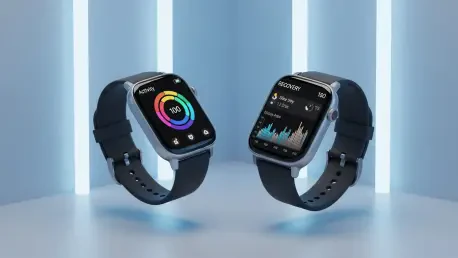
Garmin has packed the vívoactive 6 with over 80 specialized activity modes, ensuring that everyone from a casual walker to a dedicated rower has a dedicated profile. The inclusion of animated on-screen workouts and specific tracking for wheelchair users demonstrates a commitment to inclusivity and guided fitness. While Apple uses its iconic Activity Ring system to motivate daily movement, Garmin provides more granular training guidance, such as daily suggested routines that adapt to the user’s current physical state.
In real-world performance, the vívoactive 6 acts more like a digital coach than a simple logger. It translates raw movement into actionable advice, helping users understand if they are overtraining or if they have more “fuel” in the tank. The Apple Watch is incredibly accurate and provides a beautiful interface for viewing metrics, but it often requires third-party apps to reach the same level of deep athletic analysis that Garmin provides natively out of the box.
Health Insights and Proprietary Biometric Metrics
The way each platform interprets recovery is perhaps their most defining health feature. Garmin utilizes its proprietary “Body Battery” energy monitoring, which treats the human body like a fuel tank that drains with stress and refills with rest. Combined with advanced sleep tracking that analyzes stages and respiration, the vívoactive 6 gives a holistic view of wellness. Apple offers similar sensors, but its interpretation is often more fragmented across different health categories rather than being synthesized into a single, easy-to-understand energy score.
Connectivity also plays a role in daily health management. The vívoactive 6 is impressively flexible, offering notification support for both iPhone and Android users, which is a significant advantage over the Apple Watch’s strict iOS-only requirement. This cross-platform compatibility ensures that if a user decides to switch phone brands, their health history and wearable investment remain intact and fully functional.
Practical Challenges and Implementation Considerations
Choosing between these devices involves navigating specific technical trade-offs. The Apple Watch offers a superior “smart” experience, with the ability to take calls, dictate texts, and use a vast array of apps directly from the wrist. However, this richness creates a technical difficulty: the high-frequency charging required to support such features often leads to gaps in health data. For those who want a tool that stays out of the way and just works, the Garmin’s utility-focused display is a logical compromise.
Furthermore, the restriction of the Apple Watch to the Apple ecosystem is a major hurdle for many. Garmin’s universal support allows for a broader range of implementation, making it a better fit for families or corporate wellness programs where different phone types are used. The challenge for the consumer is deciding whether they want a high-performance communication hub or a reliable, long-lasting health companion that prioritizes data integrity over app variety.
Final Verdict and Selection Guidance
The Garmin vívoactive 6 presented a compelling value proposition, especially when found at a competitive price point like $246.95. For users who prioritized battery longevity and required a device that worked across different smartphone platforms, the vívoactive 6 was the superior choice. It functioned as a robust tool for those focused on the long-term trends of their physical health rather than the immediate gratification of a wrist-based smartphone.
Moving forward, individuals should consider the Garmin ecosystem if they seek a deeper understanding of how lifestyle choices impact their daily energy and recovery. While the Apple Watch remained the gold standard for premium smart features and ecosystem fluidity, the vívoactive 6 carved out a vital space for the data-conscious consumer. Investing in a wearable now requires looking beyond the screen to how the data will be used to improve overall quality of life in the coming years.