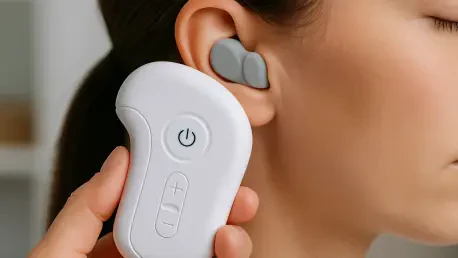

In the high-pressure environments of modern life, the ability to manually toggle the body’s physiological response to stress has shifted from a biological luxury to a fundamental survival requirement. The Hoolest VeRelief Prime enters this space as a specialized tool designed to provide users with a direct interface to their own nervous system, bypassing the traditional reliance on pharmaceutical interventions or lengthy meditative practices. By focusing on the vagus nerve—the primary highway of the parasympathetic nervous system—this device attempts to provide a physical “reset button” for the “fight-or-flight” response that often becomes overactive in contemporary society. This analysis examines the technical specifications and practical implications of the Prime, assessing its role as a bridge between high-end clinical neuromodulation and everyday consumer health tools.
The evolution of wellness technology has moved rapidly from passive data tracking to active physiological intervention. While previous generations of wearables were content to simply report on heart rate or sleep stages, the current landscape is defined by devices that seek to alter those metrics in real-time. The Hoolest VeRelief Prime represents a significant milestone in this transition, offering a non-invasive, portable method for stimulating the auricular branch of the vagus nerve. This technology, once confined to the sterilized environments of hospitals and research laboratories, is now being packaged for the office worker, the frequent traveler, and the individual seeking to manage anxiety without the need for a clinical appointment.
Understanding Transcutaneous Vagus Nerve Stimulation (tVNS)
Transcutaneous Vagus Nerve Stimulation, or tVNS, operates on the principle that the brain can be influenced through electrical impulses delivered to peripheral nerves that have direct pathways to the central nervous system. The Hoolest device specifically targets the auricular branch of the vagus nerve, which is uniquely accessible near the surface of the skin just below the earlobe. By applying targeted electrical currents to this area, the device aims to trigger a cascade of neurochemical events that promote relaxation and emotional regulation. This method is fundamentally different from chemical interventions because it leverages the body’s own existing pathways to modulate stress, rather than introducing foreign substances into the bloodstream.
The physical kit consists of a handheld stimulator and specialized conductive gel tips that serve as the interface between the hardware and the human body. These components work in tandem to ensure that the electrical energy is focused precisely where it is needed, overcoming the natural resistance of the skin to deliver a consistent dose of neuromodulation. This design reflects a broader technological shift toward portable, user-controlled medical-grade technology. What was once a complex procedure involving implanted pulse generators has been distilled into a pocket-sized device that provides immediate, on-demand access to nervous system regulation.
This democratization of neuromodulation is significant because it allows for high-frequency, low-barrier usage. In a clinical setting, VNS therapy is often reserved for severe cases of epilepsy or depression, but the tVNS approach utilized by Hoolest expands the application to general wellness and stress resilience. By making the technology accessible to a wider audience, the device encourages a proactive approach to mental health, where individuals can intervene at the first sign of physiological tension rather than waiting for a crisis to occur.
Core Features and Mechanical Design
Electrical Neuromodulation via Auricular Stimulation
The primary mechanism of the Hoolest VeRelief Prime involves the delivery of 10-volt electrical pulses designed to mimic the natural signaling of the human nervous system. These pulses are not meant to cause pain but rather to create a localized sensation of buzzing or tingling that signals the vagus nerve to increase parasympathetic activity. The efficacy of this stimulation is highly dependent on the proprietary gel tips, which are engineered to reduce skin impedance. Without these conductive tips, the electrical current would likely dissipate across the surface of the skin, failing to reach the deeper nerve structures required to elicit a systemic relaxation response.
This focus on precise current delivery is what separates the device from lower-quality mass-market massagers or simple TENS units. The electrical waveform and voltage are calibrated specifically for the sensitivity of the auricular region, ensuring that the stimulation is both effective and safe for daily use. The use of conductive gels is a critical technical requirement, as it ensures a stable connection even when the user is moving or adjusting the device’s position. This attention to the physics of current penetration highlights the engineering rigor behind the product, positioning it as a serious tool for physiological change rather than a mere novelty.
The Analog-First User Interface and Portability
In a market saturated with devices that require constant smartphone connectivity, the Hoolest VeRelief Prime stands out for its “app-free” design philosophy. The interface is intentionally minimalist, featuring physical buttons for power and intensity adjustment, which allows for immediate operation without the need to navigate digital menus or pair a Bluetooth signal. This design choice is particularly relevant for stress management, as the act of reaching for a smartphone can often be a source of further distraction or anxiety. By removing the digital intermediary, the device ensures that the user’s focus remains entirely on their physiological state.
The hardware is powered by a rechargeable battery via a modern USB-C port, emphasizing its role as a portable companion for those who lead mobile lifestyles. A single charge provides enough energy for a week of regular sessions, making it a reliable tool for travel or long office days. The lack of Bluetooth connectivity also enhances battery efficiency and protects user privacy, as no biometric data is transmitted to external servers. This utilitarian approach to design prioritizes function and reliability, ensuring that the device is always ready for use when the user experiences an acute moment of stress.
Emerging Trends in Digital Detox and Wellness Tech
The rising demand for “screen-free” health tools indicates a significant shift in consumer behavior toward a more grounded, physical experience of technology. As digital fatigue becomes a common ailment, users are looking for wellness interventions that do not require them to stare at a glowing display. The Hoolest VeRelief Prime aligns perfectly with this trend, offering a tactile and sensory experience that encourages the user to disconnect from the digital world while reconnecting with their internal physiological state. This move away from data-heavy, dashboard-centric wellness reflects a growing understanding that health is more than just a collection of numbers on a screen; it is a lived, felt experience.
Furthermore, there is a clear trend toward devices that prioritize immediate physiological shifts over long-term data tracking. While tracking Heart Rate Variability or sleep patterns is useful for historical analysis, it does not always provide the user with a way to change those metrics in the moment. Portable neuromodulation tools represent the next step in this evolution, moving from passive observation to active participation in health management. This shift is driven by a desire for agency—the ability to take a specific action that results in a predictable biological outcome. In this context, the VeRelief Prime is not just a gadget, but a tool for personal empowerment.
Real-World Applications for Stress Resilience
The practical application of the Hoolest VeRelief Prime often involves “habit stacking,” where the device is used in conjunction with existing daily routines to enhance their effectiveness. For example, using the stimulator during an evening skincare routine or while practicing deep breathing can amplify the body’s transition into a restful state. This versatility allows the technology to fit seamlessly into a user’s lifestyle rather than requiring them to carve out entirely new blocks of time. Over time, these sessions can contribute to improved sleep quality and a reduction in the “brain fog” that often accompanies chronic stress, as the nervous system becomes more adept at returning to a state of equilibrium.
In professional environments, the device serves as a discreet intervention for acute anxiety. Whether preparing for a high-stakes presentation or decompressing after a difficult meeting, the handheld nature of the stimulator allows for quick sessions that can be performed at a desk or in a quiet lounge. This portability is crucial for those who work in high-pressure industries where stress is a constant presence. By providing a portable means of regulation, the technology helps individuals maintain their performance levels without the burnout that typically follows prolonged periods of high cortisol.
Technical Hurdles and Market Obstacles
Despite its innovative approach, the Hoolest VeRelief Prime faces certain technical hurdles, most notably its ergonomic limitations. Because it is a handheld, unilateral device, users must manually hold it against their neck for the duration of the session. This requires a level of active physical engagement that may be counterproductive for some seeking total relaxation. The need to switch sides to ensure balanced stimulation further adds to the manual labor involved, highlighting a trade-off between the device’s simplicity and the hands-free convenience offered by some competing wearables.
Economic obstacles also present a challenge, particularly the recurring costs associated with the gel tip subscription model. To maintain optimal conductivity and hygiene, the tips must be replaced regularly, creating a permanent line item in the user’s wellness budget. While the upfront cost of the device is relatively low compared to clinical alternatives, the total cost of ownership over several years may be higher than anticipated. Additionally, the lack of integrated biofeedback, such as Heart Rate Variability (HRV) sensors, means that users must rely on subjective feelings of relaxation rather than objective data to gauge the device’s efficacy. This lack of confirmation may be a deterrent for those who are used to the data-rich ecosystems of modern fitness trackers.
The Future of Portable Neuromodulation
The trajectory of this technology points toward more integrated and hands-free designs that could eventually be worn as part of standard accessories. We can expect future iterations of such devices to move toward bilateral stimulation, where two nodes are used simultaneously to provide a more comprehensive and balanced effect on the nervous system. This would eliminate the need for manual switching and allow for a more passive, immersive experience. As the hardware becomes smaller and more efficient, it is possible that tVNS technology could be integrated directly into high-end headphones or other head-worn electronics, making stress management a seamless part of the daily audio experience.
Long-term, the potential for clinical validation of consumer-grade neuromodulation could change how society approaches mental health and self-regulation. If large-scale studies can consistently prove that these portable tools offer significant benefits for anxiety and sleep, they may become a standard recommendation in preventative care. This would shift the focus of mental health from reactive treatment to proactive maintenance, potentially reducing the burden on traditional healthcare systems. The Hoolest VeRelief Prime is an early participant in this shift, signaling a future where the ability to regulate one’s internal state is as common and accessible as checking the weather on a smartwatch.
Final Assessment and Summary
The review of the Hoolest VeRelief Prime revealed a device that successfully balanced technological simplicity with physiological efficacy. It functioned as a robust entry-point into the world of vagus nerve stimulation, providing a tangible benefit for those willing to commit to a regular routine of manual stimulation. The trial period demonstrated that while the device did not offer an overnight cure for stress, its cumulative effects on sleep quality and morning mental clarity were noticeable. The “app-free” approach was found to be a significant advantage in a world of digital clutter, offering a pure, focused interaction that respected the user’s need for a digital detox during wellness sessions.
Ultimately, the Hoolest VeRelief Prime was positioned as a practical and affordable alternative to the more expensive, data-heavy systems currently on the market. It was a tool for the pragmatist—the individual who valued direct results over complex analytics. While the ergonomic requirements and subscription-based replacement tips remained points of consideration, the overall value proposition was strong. As the field of portable neuromodulation continued to mature, this device stood as a testament to the power of targeted electrical stimulation in the quest for modern tranquility. Future developments in this sector will likely build upon the foundation laid by such devices, moving toward a more seamless integration of nervous system regulation into the fabric of daily life.