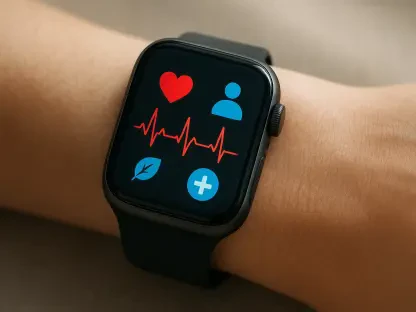

The global shift toward preventive healthcare has accelerated as modern wearables transition from simple step counters into sophisticated medical-grade monitoring stations that fit discreetly on a wrist. Consumers no longer settle for basic activity tracking when devices can now offer real-time detection of atrial fibrillation and comprehensive stress management through advanced bio-impedance sensors. Xiaomi has positioned itself at the forefront of this transformation by delivering high-fidelity health monitoring that remains accessible to a broad demographic. The integration of high-resolution AMOLED displays with energy-efficient processing units allows these devices to operate continuously for weeks, ensuring that no critical health event goes unrecorded. This technological leap signifies a departure from the reactive medical models of the past, moving instead toward a proactive stance where data serves as the primary defense against chronic illness and bodily decline.
Revolutionary Sensor Capabilities in Modern Design
Precision: The New Standard for Wearable Biometrics
The cornerstone of the latest wearable lineup lies in the refinement of the optical sensor array, which now utilizes a twelve-channel configuration to capture pulse signals with unprecedented accuracy. By employing multiple wavelengths of light, the hardware can filter out the noise caused by skin tone variations or intense physical movement during high-intensity interval training. This level of precision was once reserved for clinical environments, but the miniaturization of these components has allowed for a form factor that feels weightless during exercise. Furthermore, the inclusion of a dedicated skin temperature sensor provides a baseline for early detection of potential viral infections or hormonal fluctuations. These hardware improvements are not merely incremental; they represent a fundamental shift in how biometric data is harvested from the periphery, ensuring that every heart rate spike or dip in blood oxygen is cataloged with surgical reliability and high performance.
Implementation: Turning Raw Data into Actionable Outcomes
Raw data remains useless without a robust framework to interpret the complex interplay between different physiological markers. Xiaomi utilizes its HyperOS architecture to process millions of data points locally, ensuring that user privacy is maintained while providing instantaneous feedback on physical performance. This local processing power enables the wearable to suggest immediate changes, such as breathing exercises when stress levels remain elevated or a reduction in intensity when heart rate recovery times lag behind historical averages. The software does not simply present a list of numbers; it crafts a narrative of the user’s physical journey throughout the day. By comparing current metrics against a moving average from the previous weeks, the device can detect subtle deviations that might indicate overtraining or the onset of fatigue. This intelligent interpretation ensures that the wearer is guided by clear insights that facilitate better daily health habits.
Integration Within the Modern Smart Environment
Connectivity: Bridging Hardware and Lifestyle Management
The utility of these wearables extends far beyond the confines of the wrist, serving as a central hub for a wider ecosystem of smart home devices. Through the integration with the Mi Home platform, a wearable can trigger environmental changes based on the user’s physiological state. For example, if the watch detects that the user has entered a deep sleep phase, it can automatically lower the ambient temperature through a connected air conditioning system or dim the lights to ensure undisturbed rest. This automated synergy reduces the friction of managing a healthy lifestyle, as the environment adapts to the user rather than the other way around. Furthermore, the inclusion of NFC technology allows for contactless payments and digital key access, making the device an indispensable tool for daily errands. By streamlining these mundane tasks, the wearable frees up mental energy, allowing the user to focus more intently on physical well-being and long-term health improvements.
Foresight: Anticipating Health Needs Before Symptoms Arise
Predictive modeling has emerged as a transformative feature, moving the conversation from what happened in the past to what might occur in the near future. By analyzing subtle patterns in heart rate variability and respiratory rates, the AI engine can predict the likelihood of an upcoming illness up to twenty-four hours before the user feels any physical symptoms. This early warning system allows individuals to adjust their schedules, increase fluid intake, or prioritize rest, potentially mitigating the severity of the sickness. This capability is particularly beneficial for those with demanding professional lives who cannot afford unexpected downtime. The system also monitors for long-term cardiovascular trends, providing reports that can be easily shared with medical professionals during routine check-ups. These reports include detailed visualizations of arterial stiffness and blood pressure trends, offering a depth of data that was previously only available through high medical tests.
Strategic Steps Toward Optimized Vitality
The evolution of Xiaomi’s wearable portfolio demonstrated a clear shift toward a data-driven lifestyle that prioritized prevention over cure. Users who adopted these technologies gained a profound understanding of their internal biological rhythms, which allowed for more informed decisions regarding diet, exercise, and rest. The transition from reactive health management to a proactive model was supported by the seamless integration of hardware and software, creating a reliable foundation for daily wellness. Looking ahead, the focus moved toward refining these biometric inputs and expanding the predictive capabilities of the AI engines. To maximize the benefits of this technology, it was essential for individuals to engage consistently with the data and implement the recommended lifestyle changes. The most effective strategy involved using the wearable not just as a tracking tool, but as a catalyst for behavior transformation by treating biometric insights as a roadmap for physical health.