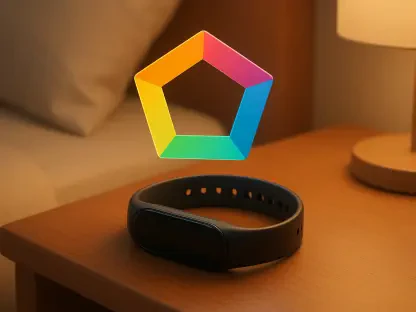

The integration of sophisticated biometric sensors into a form factor as small as a traditional wedding band represents a significant milestone in the ongoing evolution of wearable consumer technology. While previous generations focused on general trends, the Oura Ring 5 shifts the paradigm toward hyper-personalized, clinical-grade data collection that operates silently in the background of daily life. This device achieves a level of invisibility that larger smartwatches cannot match, allowing for more consistent data capture across a twenty-four-hour cycle. By utilizing an advanced recessed sensor layout, the ring minimizes the common issue of signal interference caused by skin movement or external lighting conditions. This technical refinement ensures that the metrics gathered—ranging from heart rate variability to blood oxygen saturation—remain reliable even during periods of activity or sleep. Consequently, users are no longer just receiving data points; they are gaining a comprehensive view of their own physiology.
Evolution of Biometric Accuracy and Daily Wellness Integration
The physical architecture of this fifth-generation device marks a departure from its predecessors through the implementation of a new ultra-thin aerospace-grade titanium chassis. This material choice is not merely aesthetic; it provides the structural integrity required to house an increased density of photodiodes and infrared sensors without increasing the external dimensions of the ring. Engineers have managed to reduce the interior bumps that were characteristic of earlier models, replacing them with flush-mounted sensing windows that maintain constant skin contact. This modification significantly enhances wearer comfort, which is a critical factor in ensuring the long-term compliance necessary for longitudinal health studies. Moreover, the power management system has been overhauled to support a higher sampling rate for cardiovascular metrics while maintaining a battery life that exceeds a full week. Such efficiency is achieved through a proprietary low-energy chipset designed specifically for biometric processing.
Accompanying the hardware is a sophisticated software layer that utilizes machine learning models to interpret complex datasets and provide actionable insights tailored to individual lifestyles. Rather than overwhelming the user with raw numbers, the platform synthesizes metrics like sleep efficiency, activity levels, and recovery scores into a cohesive daily readiness assessment. This assessment helps individuals decide whether to push their physical limits or prioritize rest, effectively bridging the gap between raw data and behavior modification. A notable feature of the current iteration is the Stress Resilience module, which analyzes heart rate variability in the context of cognitive load and environmental factors throughout the day. By identifying specific triggers that contribute to physiological strain, the system encourages proactive interventions, such as controlled breathing exercises or scheduled downtime. This localized processing ensures that sensitive health information remains private while delivering updates.
The technological trajectory established by this device suggested a future where personal health tracking became an essential component of preventative medicine and routine wellness. Consumers were encouraged to integrate these metrics into their broader health strategy by sharing data summaries with healthcare providers during annual checkups. This practice allowed for a more evidence-based discussion regarding lifestyle choices and long-term health outcomes, moving away from the snapshots provided by infrequent clinical visits. From 2026 to 2028, the industry focused on expanding the scope of wearable sensing to include non-invasive glucose monitoring and more advanced hydration tracking. Stakeholders in the health tech sector remained committed to data transparency and user autonomy as these devices became more deeply embedded in the societal fabric. Adopting a mindset of consistent adjustments based on biometric feedback was shown to be effective. Success depended on the ability to provide clarity.