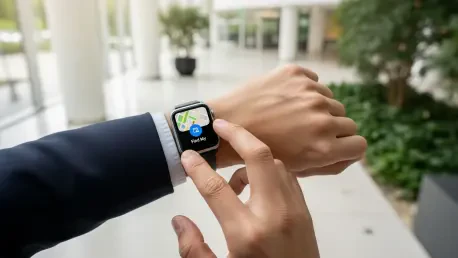

The moment a user steps too far from their smartphone, a sharp haptic vibration on the wrist provides an immediate reminder that their most personal device remains vulnerable to loss or theft. This specific security integration defines the current software rollout for the Pixel Watch ecosystem, which emphasizes a proactive approach to digital safety and hardware synergy. Central to this update is the “digital leash” system, a feature that utilizes Bluetooth proximity to trigger an automatic lock on the paired handset. Beyond simple alerts, the integration of the Find Hub directly into the Wear OS interface fundamentally alters how users interact with the Find My Device network. Instead of reaching for a secondary screen to locate missing keys or headphones, individuals now access turn-by-turn map directions and audible ringing triggers directly from their wrist. This transition from a phone-dependent application to a standalone wearable interface marks a significant shift toward device autonomy and utility.
Bridging the Gap Between Hardware Generations
Software longevity remains a critical focus for Google as it seeks to maintain the value of existing hardware through the democratization of high-end features. The current update successfully ports advanced gesture controls, including the intuitive double-pinch and wrist rotation maneuvers, from the Pixel Watch 4 down to the previous generation Pixel Watch 3. These hands-free interactions allow for seamless management of incoming calls, music playback, and camera shutters during scenarios where manual touch is impractical, such as while carrying groceries or exercising. Alongside these accessibility improvements, the introduction of Express Pay streamlines the retail experience by removing the friction of manual app navigation. By enabling tap-to-pay transactions without the need to launch the Google Wallet application, the system effectively reduces the time spent at checkout counters. This refinement reflects a broader commitment to ensuring that older devices remain competitive and functional.
Strengthening Global Safety and Emergency Response
Emergency preparedness has transitioned from a secondary feature to a core pillar of the wearable experience with the expansion of standalone safety tools. The implementation of independent earthquake alerts ensures that users receive critical warnings even when a cellular connection to a smartphone is unavailable. This reliability is further bolstered by the rollout of Satellite SOS capabilities across Canada, Europe, Alaska, and Hawaii, providing a vital communication link in remote geographic regions. Users should prioritize verifying their emergency contact information and testing the new gesture configurations to ensure maximum utility during daily routines. Moving forward, the focus shifted toward auditing device settings to confirm that automatic locking mechanisms and offline tracking are fully optimized. Owners of older models took the opportunity to recalibrate their sensors to accommodate the newly added gesture controls, ensuring a smooth transition into this more autonomous phase of wearable computing.