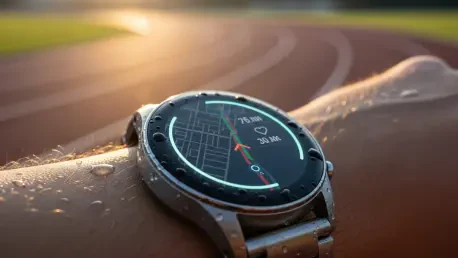

The pursuit of the perfect mile often hinges on the split-second accuracy of the glass and silicon strapped to a runner’s wrist, a reality Huawei aims to dominate with its latest precision instrument. The Huawei Watch GT Runner 2 represents a significant advancement in the dedicated fitness wearable sector, arriving at a time when athletes demand more than just basic heart rate tracking. This review explores the evolution of the technology, its key features, performance metrics, and the impact it has had on various applications. By examining the hardware and software synergy, the purpose of this analysis is to provide a thorough understanding of the technology, its current capabilities, and its potential future development in an increasingly crowded market of endurance-focused gear.
Evolution of Huawei’s Specialized Running Technology
The lineage of Huawei’s sports-centric wearables has transitioned from general-purpose health trackers to highly specialized tools designed for high-output endurance. This evolution is rooted in the “Runner” philosophy, which strips away the bulky aesthetics of traditional smartwatches in favor of aerodynamic efficiency and sensor optimization. The core principles of this technology involve the integration of high-fidelity biometric sensors with sophisticated algorithmic processing, allowing the device to interpret raw physical data into actionable coaching insights. This shift marks a departure from simple data logging toward proactive athletic management, where the watch serves as both a laboratory and a mentor.
In the broader technological landscape, this evolution is particularly relevant as the competitive mid-range endurance sports market shifts toward “prosumer” expectations. While early wearables were often criticized for being mere toys for hobbyists, the GT Runner 2 attempts to bridge the gap between consumer electronics and professional laboratory equipment. By focusing on the specific needs of the marathoner—such as weight reduction, signal stability, and recovery metrics—Huawei has carved out a niche that challenges the long-standing dominance of traditional sports watch manufacturers. This context is vital for understanding why the device prioritizes specific internal components over the generalized lifestyle features found in its “GT” siblings.
Premium Hardware and Software Integration
Titanium Construction and Visual Fidelity
The physical architecture of the device is a testament to the importance of weight-to-durability ratios in high-intensity sports. Featuring a 43mm titanium alloy chassis, the GT Runner 2 manages to provide a rugged exterior that can withstand the salt and moisture of heavy perspiration without adding significant bulk. Titanium is a deliberate choice here; it offers the structural integrity of steel but at a fraction of the weight, ensuring the watch remains stationary on the wrist during high-cadence sprints. This stability is not just about comfort; it is a technical requirement for the optical heart rate sensors to maintain a consistent seal against the skin, which is the foundation of all subsequent data analysis.
Complementing the robust frame is a high-resolution display that pushes the boundaries of outdoor legibility with a peak brightness of 3,000 nits. This level of luminosity is essential for runners who frequently find themselves navigating routes under the harsh glare of the midday sun, where traditional screens often wash out. The use of second-generation Kunlun glass provides an added layer of security, offering a high degree of scratch and impact resistance. This combination of premium materials ensures that the device functions as a durable piece of equipment rather than a delicate electronic accessory, aligning with the rugged demands of outdoor training environments.
The Marathon Mode Ecosystem
The software layer of the GT Runner 2 is anchored by the “Marathon Mode” suite, a technical framework designed to manage the physiological and psychological demands of long-distance racing. This system utilizes dynamic pacing guidance, which calculates a runner’s efficiency in real-time and adjusts target speeds based on current elevation and fatigue levels. Unlike static timers, this adaptive pacing accounts for the “fade” often experienced in the latter half of a race, helping athletes maintain a sustainable effort. It represents a shift toward intelligent software that understands the nuances of human endurance rather than just tracking distance.
Beyond simple pacing, the ecosystem integrates refueling reminders and adaptive training plans that react to the user’s biometrics. By analyzing Heart Rate Variability (HRV) and sleep patterns, the software can suggest when an athlete should push for a personal best or when they need to prioritize recovery to avoid overtraining. These reminders are calculated through a combination of environmental data and internal metabolic estimates, ensuring that hydration and glucose intake are managed before a “bonk” occurs. This proactive approach to software design turns the wearable into a strategic partner, offering a level of sophistication previously reserved for human coaching.
Innovations in Satellite and Biometric Sensing
One of the most significant technical leaps in this iteration is the introduction of the “3D floating antenna” design for dual-band GPS. Standard GPS watches often struggle with signal attenuation when the arm swings or when the user is surrounded by tall structures. By isolating the antenna from the internal circuitry and using the bezel as a signal amplifier, Huawei has significantly reduced the time to first fix and improved tracking consistency. This dual-band capability allows the device to pull signals from multiple satellite constellations simultaneously, providing a layer of redundancy that is crucial for maintaining accuracy in challenging geographic locations.
The iteration of TruSeen heart rate monitoring further enhances the reliability of the biometric data harvested during workouts. By employing a multi-channel signal enhancement algorithm, the watch filters out the “noise” created by physical movement and skin vibrations. This innovation is a direct response to shifts in consumer behavior toward high-fidelity data, where users are no longer satisfied with “good enough” estimates. As industry standards for wearable accuracy continue to rise, these localized hardware improvements attempt to provide a level of precision that matches chest-strap monitors, which remain the gold standard for serious competitors.
Real-World Performance and Diverse Use Cases
When deployed on the open road, the GT Runner 2 demonstrates its strengths through seamless connectivity and rapid data visualization. In suburban environments, where satellite visibility is generally high, the GPS mapping is exceptionally clean, tracing a runner’s path with minimal deviation. This reliability allows for precise interval training, where even a few meters of discrepancy can alter the perceived intensity of a workout. For the daily commuter or casual jogger, the watch functions as a high-end extension of their digital life, mirroring notifications and providing weather updates without sacrificing its identity as a sport-specific tool.
Unique use cases, such as ultramarathon tracking, highlight the device’s specialized power management and data synchronization capabilities. During long-distance efforts that span several hours or even days, the ability to maintain high-frequency GPS pings while managing battery drain becomes the primary performance metric. Furthermore, the integration with third-party platforms like Strava and Komoot ensures that the data collected in the field can be analyzed and shared within a broader community of athletes. This interoperability is essential for users who rely on established ecosystems for social motivation and long-term progress tracking, making the device a versatile hub for diverse athletic pursuits.
Technical Hurdles and Market Obstacles
Despite the engineering advancements, the technology faces persistent challenges, particularly regarding GPS “jumping” in dense urban canyons. When the line of sight to satellites is obstructed by skyscrapers, even the most advanced antenna designs can experience signal reflection, leading to erratic pace readings and jagged map traces. Moreover, heart rate inconsistencies still occur during high-intensity interval training (HIIT) where rapid spikes in exertion can outpace the sensor’s sampling rate. These technical limitations serve as a reminder that while wearable tech has come a long way, it has not yet completely eliminated the “lag” between physical reality and digital representation.
External factors also present significant hurdles, as regulatory issues and trade restrictions continue to affect market availability in certain regions. These obstacles limit the device’s reach and prevent it from becoming a truly global standard in the same way its competitors have. Additionally, the competitive pressure from established industry veterans who have decades of specialized algorithmic data is intense. For Huawei to overcome these market obstacles, it must prove that its proprietary Harmony OS can offer a more cohesive and reliable experience than the mature ecosystems provided by companies that have focused solely on the athletic market for forty years.
The Future of Huawei’s Athlete-Centric Wearables
Looking ahead, the trajectory of this technology suggests a deeper refinement of the Harmony OS user interface to cater even more specifically to the needs of the elite athlete. Future iterations are likely to focus on software specialization, where the UI becomes highly customizable based on the specific sport being tracked, moving away from a “one size fits all” approach. We can expect to see the introduction of more complex physiological metrics, such as real-time blood oxygen monitoring during high-altitude training and more nuanced fatigue modeling. These refinements will be critical in establishing the device as a legitimate professional tool rather than a luxury gadget.
Developments in sensor accuracy are also poised to take a leap forward through the integration of artificial intelligence at the edge. By processing sensor data directly on the watch using machine learning models, future devices could potentially “predict” heart rate trends or correct GPS drift before it ever reaches the user’s screen. The long-term impact of Huawei’s entry into the premium-lite sports watch industry could be a democratization of high-end features, forcing other manufacturers to innovate more rapidly or lower their price points. This competitive tension ultimately benefits the consumer, driving the entire industry toward higher standards of performance and reliability.
Final Assessment of the GT Runner 2
The Huawei Watch GT Runner 2 stands as a compelling testament to how far specialized wearable technology has traveled in a relatively short span. It successfully marries high-end construction materials like titanium and Kunlun glass with a battery life that consistently outperforms many of its rivals, providing a reliable foundation for endurance training. The “Marathon Mode” and the 3,000-nit display are clear highlights that address the specific pain points of outdoor runners, offering a level of clarity and guidance that is often missing from more generalized smartwatches. While the hardware is arguably some of the best in its class, the software ecosystem still feels like it is playing catch-up with the deep analytical depth of veteran sports brands.
Ultimately, the standing of the GT Runner 2 compared to industry gold standards is determined by the user’s specific priorities. For those who value aesthetic elegance, exceptional screen quality, and a device that can easily transition from a marathon finish line to a boardroom, this watch is an outstanding achievement. However, the occasional sensor inconsistencies in high-stress urban environments and the lack of certain niche third-party integrations mean that the most data-obsessed athletes may still look toward more established ecosystems. The technology is currently in a state of high-potential growth, having mastered the physical requirements of a sports watch while continuing to refine the digital nuances that define a world-class training partner.
Moving forward, the success of this product line will depend on the brand’s ability to bridge the remaining gap between hardware excellence and software specialization. Actionable next steps for the development team should include the expansion of the “Marathon Mode” to include a wider variety of race distances and local course maps, alongside a dedicated effort to improve signal processing in dense urban areas. There is also a significant opportunity to better integrate with coaching platforms like TrainingPeaks, which would solidify the device’s reputation among competitive athletes. As the industry moves toward more holistic health monitoring, the integration of recovery-focused biometrics will likely become the new battlefield for wearable supremacy. The GT Runner 2 has proven that Huawei can build a world-class athlete’s watch; the next challenge is ensuring the data it produces is as unbreakable as the titanium that houses it.