
Fluctuating energy prices and the increasing frequency of grid disruptions have forced modern homeowners to reconsider their relationship with local utility providers. What was once considered a niche accessory for off-grid enthusiasts has become a central component of a modern, resilient home, allowing individuals to manage their electricity consumption with precision. These systems function by bridging the temporal gap between when energy is generated and when it is actually needed by the household. By decoupling consumption from immediate generation, home batteries provide a buffer against the volatility of the energy market and the physical instability of aging infrastructure. This technological shift represents a move toward a decentralized energy model where every residence can operate as a sophisticated energy management unit. As the transition toward total electrification continues, the integration of smart storage solutions has become a critical factor in determining the economic efficiency and sustainability of the modern American household.
Strategic Motivations: Chemistry and Safety
Primary Objectives: Solar Optimization and Independence
The primary motivation for adopting home battery technology often centers on the strategic optimization of solar energy and the achievement of greater energy independence. Many utility providers have implemented Time-of-Use pricing, which increases the cost of electricity during peak evening hours when residential demand is at its highest. By utilizing a battery system, homeowners can engage in load shifting, a process where excess solar power generated during the day is stored for use when grid prices are most expensive. This strategy reduces reliance on the utility company and ensures that the financial benefits of a solar investment are fully realized. Furthermore, these systems offer a layer of protection against localized grid failures, providing a reliable source of emergency power for essential appliances. Beyond personal savings, the widespread use of residential storage contributes to overall grid stability by reducing the strain on public infrastructure during periods of extreme demand.
Material Evolution: The Rise of Lithium Iron Phosphate
Technological advancements have led to a significant shift in the chemical composition of residential batteries, with Lithium Iron Phosphate (LFP) emerging as the standard for home environments. Unlike the Nickel Manganese Cobalt chemistries found in older electronics, LFP batteries offer superior thermal and chemical stability, which reduces the risk of fire or overheating. This safety profile is particularly important for indoor installations where proximity to living spaces is a concern. Additionally, LFP technology is known for its impressive cycle life, often maintaining high performance for over a decade of daily charge and discharge cycles. While newer alternatives like sodium-ion batteries are currently under development for specialized applications, LFP remains the gold standard for its balance of cost, safety, and durability. The move toward this chemistry reflects an industry-wide commitment to providing homeowners with reliable energy storage solutions that do not compromise the safety of the residence.
Implementation Logistics: Hardware and Compliance
System Architecture: Inverters and Scalable Hardware
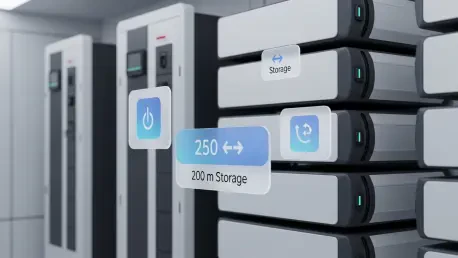
A comprehensive home battery installation involves a sophisticated assembly of hardware, with the inverter serving as the central nervous system that manages the flow of electricity. Modern systems frequently utilize hybrid inverters that can simultaneously handle inputs from both solar panels and the battery, streamlining the conversion of direct current into the alternating current required by appliances. Modular design has also become a standard feature, allowing users to increase their storage capacity by adding battery units to an existing stack as their energy requirements grow. This scalability is essential for households that plan to add high-draw loads in the future, such as electric vehicle chargers or heat pump water heaters. Matching the power rating of the inverter to the peak demand of the home is a critical step in the design process to ensure that the system can handle the simultaneous operation of multiple heavy appliances without triggering a grid-dependent shutdown.
Performance Metrics: Evaluating Capacity and Value
Evaluating the long-term value of a battery system requires a detailed analysis of specific performance metrics such as usable capacity and depth of discharge. Usable capacity refers to the actual amount of energy a homeowner can extract from the system, which is often less than the total nameplate capacity due to safety limits. The depth of discharge indicates the percentage of the battery that can be used without causing excessive wear, with modern systems typically allowing for a nearly full discharge. Efficiency is another vital factor, as some energy is naturally lost as heat during the charging and discharging processes. Homeowners must also scrutinize warranty terms, which usually guarantee that the battery will retain a specific percentage of its original capacity after a set number of years. Understanding these technical indicators is necessary to determine if a specific storage solution will provide a positive return on investment over its projected operational lifespan.
Regulatory Hurdles: Installation and Compliance
The physical implementation of a residential storage system is a complex logistical undertaking that involves electrical modifications and adherence to local building codes. Most installations require a professional energy audit to determine the most effective placement of the battery and whether the existing electrical panel can handle the additional load. Beyond the hardware setup, the process involves navigating regulatory hurdles, including obtaining permits and securing an interconnection agreement with the utility provider. These agreements are essential for ensuring that the system interacts safely with the public grid and that any energy fed back into the lines does not endanger utility workers. Homeowners must also consider the environmental conditions of the installation site, as extreme temperatures can affect the performance and lifespan of the cells. Properly addressing these bureaucratic and technical requirements is the final step in securing a safe, compliant, and reliable energy solution.
Future Considerations: Pathways to Energy Security
The decision to integrate a home battery system was ultimately driven by a combination of economic necessity and a desire for greater technological autonomy. Successful installations began with a thorough assessment of household energy patterns and a clear understanding of the specific utility rate structures that affected monthly costs. Homeowners who prioritized safety and longevity favored Lithium Iron Phosphate chemistry, which offered a stable and durable foundation for residential energy management. They also recognized the importance of choosing modular hardware that provided the flexibility to expand capacity as their electricity needs changed. The complex process of securing permits and meeting utility standards required close collaboration with certified professionals who ensured the system remained compliant with local regulations. In the end, these investments provided a practical solution for navigating the complexities of a shifting energy market, allowing individuals to secure a more predictable future for their homes.