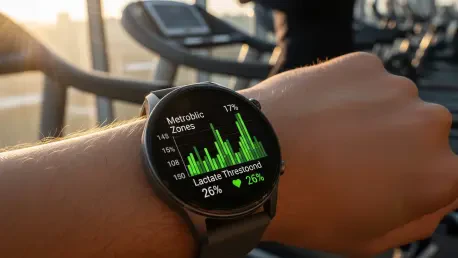

The pursuit of peak athletic performance has long relied on the precise calibration of intensity, yet most consumer-grade wearables have historically struggled to provide the physiological depth required for truly professional training. With the recent rollout of firmware version 3.7.0.1 for the Amazfit Active Max, Zepp Health is attempting to bridge this divide by introducing a sophisticated lactate threshold measurement feature. This specific metric represents the physiological tipping point where the body generates lactate faster than it can be cleared, marking the shift from sustainable aerobic effort to high-intensity anaerobic fatigue. Unlike traditional heart rate monitoring which relies on generic age-based formulas, this 12.25MB update allows the device to pinpoint a runner’s exact metabolic limits. By integrating such data, the smartwatch transforms from a passive observer into an active coach, enabling users to structure their interval sessions and tempo runs with a level of precision that was previously the sole domain of laboratory testing environments. This advancement reflects a growing demand for data that mirrors actual physiological fitness rather than just estimating effort through external variables.
Standardizing Excellence Across the Ecosystem
The decision to bring high-level performance metrics to the Active Max signifies a broader strategic evolution for Zepp Health as the brand seeks to democratize professional-grade analytics across its 2026 lineup. Historically, advanced features like lactate threshold detection were reserved for flagship models such as the Balance 2 or the T-Rex 3 Pro, creating a distinct hierarchy between everyday fitness trackers and specialized sports tools. By standardizing these capabilities, the company is effectively narrowing the competitive gap between its mid-range offerings and the high-end specialized devices produced by industry giants like Garmin and Polar. This shift suggests that the distinction between “lifestyle” and “pro” wearables is becoming increasingly blurred, as hardware efficiency allows more complex algorithms to run on more affordable wrist-based platforms. Furthermore, the inclusion of these metrics enhances the credibility of the Zepp ecosystem, encouraging serious athletes to view the Active Max as a viable alternative to more expensive equipment. The focus remains on providing a cohesive user experience where the software intelligence matches the hardware design, ensuring that every tier of consumer has access to the insights necessary for meaningful athletic progress.
The functional transformation of the hardware extended beyond just running metrics, as the update also addressed the critical relationship between recovery and performance through improved sleep staging accuracy. By optimizing the system to better recognize the nuances of rest cycles, the device provided a more holistic view of an athlete’s readiness, ensuring that intense training blocks were balanced by adequate physical restoration. These system optimizations and bug fixes established a more stable foundation for long-term health tracking, which allowed users to commit to multi-year training plans without fear of technical obsolescence. For those looking to maximize their potential, the logical next step involved integrating this new lactate data into periodic field tests to verify fitness gains and adjust heart rate zones accordingly. Athletes who adopted these tools found that the transition to professional-grade data analysis necessitated a more disciplined approach to intensity management and recovery protocols. Ultimately, the update proved that the longevity of a device depended as much on its software evolution as its physical durability. Moving forward, the focus shifted toward utilizing these personalized insights to prevent overtraining and ensure that every workout contributed effectively toward specific competitive goals.