
Simon Glairy has spent years dissecting the intricacies of wearable technology, witnessing the shift from simple step counters to the sophisticated health hubs we wear today. His perspective is particularly valuable now, as high-end features once reserved for elite athletes are trickling down to everyday consumers through significant market shifts. We explore the balance between aesthetic design and functional power, focusing on how recent price adjustments are making advanced metrics like heart rate variability and energy monitoring more accessible than ever. This conversation delves into the evolution of display technology, the growing importance of inclusive health tracking for all users, and the strategic value of current market opportunities for those looking to upgrade their lifestyle tech.
With the introduction of vibrant screens, how have manufacturers managed to offer a high-resolution visual experience without the typical battery drain seen in other mobile devices?
The balance between a bright and colorful AMOLED display and power efficiency is a feat of modern engineering that defines the current generation of wearables. You can now experience a display that pops with rich colors and sharp contrast while still enjoying up to 11 days of battery life in smartwatch mode. Even for those who prefer the convenience of having the display always on, the technology has optimized power consumption to provide a solid 5 days of use before needing a charge. This transition away from the duller, traditional screens ensures that looking at your wrist feels like looking at a premium piece of tech, rather than a compromise. It is particularly satisfying to see how the interface remains snappy and responsive whether you are using the touchscreen or the tactile physical buttons during a high-intensity workout.
What specific health metrics are currently reshaping how users understand their daily recovery and overall readiness for physical activity?
We are moving far beyond the era of simply counting steps to a more holistic understanding of the body through features like the Body Battery, which acts as a real-time monitor for your energy levels. By integrating heart rate variability, or HRV status, users get a deeper look into how their nervous system is responding to stress and exercise. The inclusion of personalized sleep coaching and a dedicated sleep score transforms the watch from a passive recorder into an active wellness consultant on your wrist. When you wake up to a morning report that synthesizes your sleep data and fitness age, it creates a very personal, emotional connection to your health journey. This data-driven approach allows someone to decide whether to push through a HIIT session or take a much-needed rest day based on concrete physiological evidence.
In what ways is the industry moving toward more inclusive design to ensure that advanced fitness tracking is accessible to people with different mobility needs?
The industry is finally acknowledging that fitness isn’t a one-size-fits-all concept, which is why the introduction of a specialized wheelchair mode is such a significant milestone. Instead of traditional step counting, the device tracks pushes and offers tailored workouts specifically designed for wheelchair users, including both strength and cardio routines. This level of intentional design ensures that everyone has access to the same high-quality health monitoring, from stress tracking to menstrual cycle logging. It is a powerful shift to see a device that adapts its core algorithms to the user’s specific movement patterns rather than forcing the user to fit a standard mold. Seeing these 30-plus indoor and GPS sports apps cater to such a wide range of abilities makes the technology feel truly universal and empowering.
How does a significant price drop, like the current $101 discount, change the landscape for consumers looking to invest in premium wearable technology?
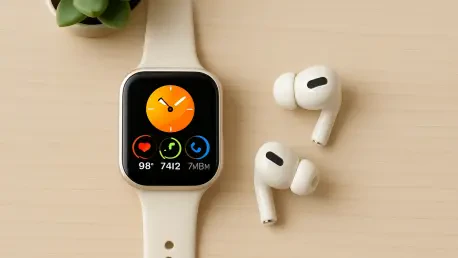
When a high-tier device like this sees a 34% discount, it fundamentally shifts the value proposition for the average consumer who might have been hesitant to spend nearly $300. Bringing the price down to $198.99 makes premium features like advanced GPS and comprehensive health sensors accessible to a much broader audience. This specific deal on the ivory-colored model highlights how aesthetics and high-end tech can be bundled into an affordable package without stripping away the “pro” features. For many, this price point is the “sweet spot” where the investment in their health feels justified by the immense amount of data and longevity they receive in return. It’s a rare opportunity to grab a device that looks as good in a professional setting as it does in the gym while saving a substantial amount of money.
What is your forecast for the future of lifestyle-focused fitness smartwatches?
I expect we will see an even deeper integration of proactive health alerts where the watch doesn’t just track your day but anticipates your needs before you even feel a dip in energy. The current 11-day battery standard will likely become the baseline as sensors become even more efficient and less intrusive. We will also see a more seamless blend of fashion and function, where the “smart” elements are hidden behind even more sophisticated, jewelry-like designs that don’t sacrifice the 30-plus sports apps we’ve come to rely on. Ultimately, the goal is for these devices to become invisible guardians of our health, providing constant, effortless insights that keep us moving forward.