
As a leading voice in Insurtech and AI-driven risk assessment, Simon Glairy has spent his career analyzing how data can transform complex industries. Now, he turns his expert eye to the burgeoning world of wearable technology, where a new wave of AI assistants is poised to redefine personal health management. In this interview, he explores how these intelligent coaches are moving beyond simple data tracking to offer dynamic, personalized advice, delving into the nuances of tailoring AI across global markets, the physiological metrics that drive real-time workout adjustments, and the critical role of conversational AI in fostering long-term user engagement.
With this AI health assistant now on iOS and in new markets like the UK and Canada, what challenges arise in tailoring its advice across platforms and regions? Please walk us through how the initial onboarding chat about goals and injuries creates truly dynamic training plans.
Expanding to new platforms like iOS and into diverse markets is a significant step that goes beyond simple technical porting. The real challenge is ensuring the AI’s advice remains relevant and contextual, not just for a different operating system, but for different user behaviors and lifestyles. The foundation of this personalization is the initial onboarding process. In just a 5- to 10-minute chat, the AI gathers crucial, high-context information that a static algorithm could never guess, such as your specific fitness goals, any current injuries that need accommodation, and even what kind of gym equipment you have access to. This dialogue, combined with your historical wearable data, allows the system to build training plans that are truly dynamic from day one, reacting to your life instead of forcing you into a rigid schedule.
The system can adjust a workout, suggesting a recovery session after detecting poor sleep. Could you describe the key physiological metrics it analyzes to make this call and how it communicates this change to the user to encourage compliance without causing frustration?
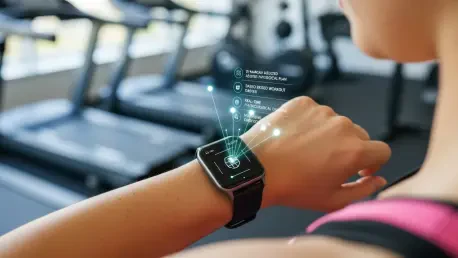
This is where the technology truly shines, moving from a passive tracker to an active advisor. The system interprets key physiological data points, such as sleep quality metrics and the device’s overall readiness score, to understand your body’s state. If it detects you had a rough night or your body hasn’t recovered, it recognizes that pushing through a planned high-intensity cardio workout would be counterproductive, or even risky. Instead of just flagging a low score, it proactively intervenes. The communication is framed as a smart, adaptive suggestion—for example, proposing a lower-intensity recovery session. This encourages compliance because the user feels understood and supported, not like they’ve failed to stick to a plan. It’s a partnership, with the AI making data-driven recommendations for your immediate well-being.
An ‘Ask Coach’ button is now a central feature in the app’s redesign. What kind of natural language questions are users asking, from weekend run recovery to marathon planning? Please share how this conversational element moves health tracking beyond static charts into an interactive, advisory role.
The ‘Ask Coach’ feature is a pivotal shift in user interaction. It transforms the app from a dashboard of charts and graphs into a genuine health consultant you can converse with. Users are asking sophisticated, natural-language questions that reflect their real-life fitness journeys, like, “How did my weekend run affect my recovery?” This demonstrates a desire to understand the cause-and-effect relationships in their health. They’re also using it for long-term planning, asking it to, for instance, “build a marathon plan based on my current pace.” This conversational element is critical because it meets the user where they are, translating raw data into meaningful, actionable advice and fostering a deeper, more engaged relationship with their own health metrics.
The AI analyzes long-term trends, comparing a user’s sleep quality to demographic groups. How is this comparative data presented to motivate users? With other major tech companies reportedly moving into AI health, how critical is this deep, personalized analysis for long-term user engagement?
Presenting comparative data is a powerful motivational tool. By showing a user how their sleep quality stacks up against similar demographic groups, it provides context that individual data points lack. More importantly, the system doesn’t just show the comparison; it explains the ‘why,’ linking specific lifestyle factors, like a late-night cardio session, to their impact on rest. This deep, personalized analysis is absolutely critical for long-term engagement, especially as the market gets more crowded. With competitors like Apple rumored to be entering this space, the ability to deliver not just data, but genuine, tailored insights that help users connect the dots in their own health journey will be the key differentiator that keeps them invested in the ecosystem.
This AI assistant is still in a ‘Public Preview’ stage despite its global expansion. What specific user feedback or performance metrics are you monitoring most closely during this phase, and what are the key milestones for moving it to a full, official launch?
During a ‘Public Preview’ phase like this, the focus is twofold: model accuracy and user engagement. We are closely monitoring the relevance and safety of the Gemini model’s recommendations to ensure it’s providing genuinely helpful and appropriate advice. At the same time, we’re tracking engagement metrics around the ‘Ask Coach’ feature—what kinds of questions are being asked, how often users interact with it, and whether they act on the suggestions provided. The key milestone for a full launch isn’t just about technical stability; it’s about reaching a point where we are confident the AI consistently delivers accurate, personalized, and engaging health advice that users find indispensable to their daily routines. The global expansion suggests that confidence is already quite high.
What is your forecast for AI-powered personal health assistants?
My forecast is that these AI assistants will become the central nervous system of personal health management. We will move away from fragmented apps and data points toward a single, conversational interface that understands our complete health picture—from fitness and sleep to nutrition and mental well-being. These assistants will become proactive partners, not just flagging risks but offering preventative solutions, adjusting our daily plans in real-time, and providing motivation rooted in a deep understanding of our personal history and goals. The technology will become so seamlessly integrated and predictive that we’ll wonder how we ever managed our health without it.