
The sudden saturation of gigabit-plus internet plans across residential neighborhoods has transformed the once-specialized Wi-Fi 7 protocol into an essential household requirement for modern living. As the demand for ultra-low latency in high-fidelity gaming and seamless 4K video conferencing surges, older networking standards are increasingly revealing their limitations under the weight of contemporary data consumption. Market dynamics throughout 2026, especially during major consumer electronics events, demonstrated a significant price correction that brought high-performance hardware within reach of the average consumer. This shift allows households to move away from aging, congested routers toward sophisticated mesh systems designed for massive throughput and stability. By leveraging multiple frequency bands simultaneously, these new devices provide a level of reliability that was previously reserved for enterprise environments. The transition represents more than just a speed upgrade; it is a fundamental realignment of how domestic spaces handle the density of smart devices.
Hardware Evolution: Balancing High-End Aesthetics and Value
Networking manufacturers are currently spearheading a design revolution that prioritizes domestic aesthetics, effectively moving the router from the dark corners of a closet to the center of the living space. Modern systems, such as the Netgear Orbi 770 Series, have replaced the aggressive, multi-antenna look of the past with sleek, vertical towers that resemble high-end home decor while housing powerful tri-band and quad-band technology. These units are engineered to eliminate dead zones in sprawling residences by utilizing the 6-GHz band for dedicated backhaul, ensuring that data flows smoothly between nodes without interference. While the primary appeal lies in the simplified setup and robust signal stability, these devices are also designed to accommodate the aesthetic preferences of modern homeowners who demand performance without compromising on style. This marriage of form and function ensures that the hardware remains visible for optimal signal propagation while blending seamlessly into the interior design of a high-tech home environment.
For many homeowners, the high cost of entry for the latest networking standards remains a significant hurdle, yet budget-friendly options like the TP-Link Deco BE63 are successfully narrowing this gap. These systems offer a compelling mix of tri-band Wi-Fi 7 performance and impressive port configurations without the prohibitive price tag associated with luxury brands. By including 2.5-gigabit ports as a standard feature, these affordable models ensure that users can take full advantage of their internet service provider’s highest speed tiers. However, one of the most critical aspects of adopting this technology involves understanding the physical limitations of the 6-GHz frequency band. While this band offers incredible speeds, its shorter wavelength means that walls, furniture, and even large appliances can significantly degrade the signal. This reality necessitates a more strategic approach to router placement, often requiring a denser mesh configuration to maintain high throughput throughout a multi-story residence or complex apartment layout.
Network Expansion: Implementing Outdoor and Mobile Infrastructure
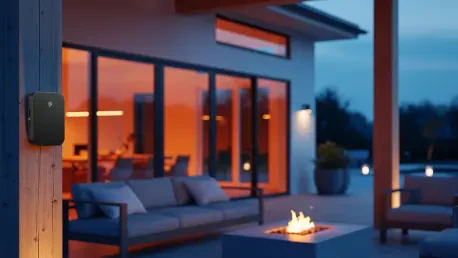
The boundaries of the home network have expanded significantly as modern lifestyles increasingly incorporate outdoor living spaces into the daily digital routine. Specialized hardware like the TP-Link Deco Outdoor addresses this need by providing weather-resistant units that can withstand the elements while maintaining high-speed links to the main indoor mesh system. These devices feature IP65-rated enclosures that protect sensitive internal electronics from dust and rain, allowing for reliable internet access on patios or backyards. Simultaneously, high-performance connectivity is no longer confined to fixed locations, as evidenced by the rise of professional-grade travel routers like the Asus RT-BE58 Go. These compact devices are designed to provide Wi-Fi 7 speeds on the road, allowing frequent travelers to create their own secure and private networks regardless of their location. By utilizing USB tethering or connecting to a public source, these routers bypass the restrictive bandwidth limits and security risks often associated with hotel or airport hotspots.
The transition to a modern network environment required more than just the purchase of new hardware; it demanded a comprehensive strategy for integration and management. Homeowners who prioritized the installation of 2.5-Gbps and 10-Gbps ports ensured their systems remained capable of handling the data loads of the coming years without requiring immediate upgrades. Strategic placement of mesh nodes and the use of weather-resistant outdoor units effectively eliminated coverage gaps across entire properties, while travel routers secured professional needs on the go. Investing in quality Ethernet switches and cable management solutions finalized the physical layout, resulting in a stable and aesthetically pleasing setup. Moving forward, the most successful implementations were those that treated the network as a foundational utility rather than a simple peripheral. By following these steps, individuals created a resilient digital backbone that supported the full spectrum of modern applications. This proactive approach to connectivity proved essential for maintaining a high-quality digital lifestyle.