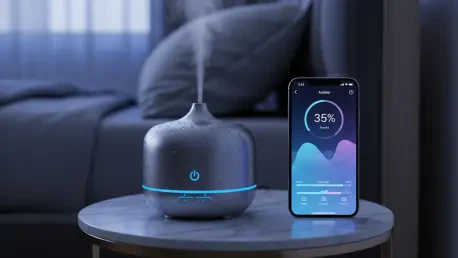

Modern sleep technology is moving beyond simple monitoring and toward active environmental manipulation, with the Kimba AI Hub leading the charge by integrating scent diffusion into its intelligent ecosystem. While traditional wearables focus on collecting data about heart rate variability and REM cycles, this new generation of smart bedside devices seeks to modify the user’s surroundings to induce deeper rest. The persistent struggle with insomnia and fragmented sleep patterns has fueled a demand for systems that do more than just report a poor night’s sleep. By utilizing a sophisticated array of sensors, the hub identifies the specific stage of rest a person is in and responds with targeted olfactory stimuli. This move toward sensory-based interventions represents a significant departure from light-based or auditory-only sleep aids. Scent, being the only sense directly linked to the emotional and memory centers of the brain, provides a unique lever for calming the nervous system. The device uses this physiological shortcut to help users transition from wakefulness to slumber more efficiently.
Sensory Automation: How Diffusion Meets Neural Response
The mechanical core of the hub utilizes ultrasonic vibration to disperse micro-particles of essential oils without the use of heat, preserving the chemical integrity of the active compounds. This process is not a simple scheduled release but a dynamic reaction to real-time biofeedback gathered from synchronized bedroom sensors. When the system detects an elevation in cortisol-related markers or restless movement, it adjusts the concentration of calming scents such as lavender or sandalwood to stabilize the user. Conversely, in the early morning hours, the device can switch to energizing aromas like citrus or peppermint to facilitate a gentler waking process that aligns with natural circadian rhythms. This level of automation ensures that the environment remains optimized even as the body’s needs fluctuate throughout the night. By removing the need for manual adjustment, the hub eliminates the cognitive load that often accompanies preparing for sleep. This seamless integration of chemistry and computation marks a major advancement in personalized wellness technology available for home use.
Strategic Implementation: Maximizing the Benefits of Scent Technology
The integration of scent diffusion into home automation platforms provided a clear path for individuals looking to enhance their recovery protocols through environmental control. Those who adopted this technology found that consistency in scent association helped condition the brain for immediate relaxation upon entering the bedroom. It became clear that selecting high-quality, pure extracts was essential to avoid synthetic irritants that could potentially disrupt respiratory patterns during the night. Furthermore, users learned to calibrate the intensity of the diffusion to match the room’s ventilation, ensuring that the olfactory stimulus remained effective without becoming overwhelming. Maintaining the hardware by cleaning the diffusion chambers and updating the AI firmware regularly ensured that the system functioned with high precision. For those seeking to replicate these results, prioritizing a multi-sensory approach that included both scent and thermal regulation proved to be the most effective strategy. These proactive measures established a new standard for how individuals interacted with their sleeping spaces.