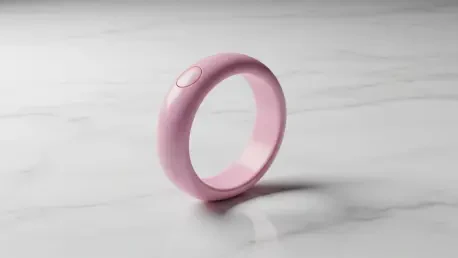

In a market saturated with function-first gadgets, the convergence of high fashion and personal health technology has created a new frontier where aesthetic appeal is just as crucial as data accuracy. The latest iteration of the Oura Ring, crafted from high-performance ceramic, represents a pivotal moment in this evolution, deliberately shifting the narrative from discreet health monitoring to an expressive, statement-making accessory. While technologically identical to its predecessors, this model challenges the industry’s status quo by prioritizing material innovation and bold design. It is a cosmetic-only upgrade, yet its impact is significant, signaling a future where wearables are not just tools we use, but integral parts of our personal style. This shift is explored through extensive hands-on experience, analyzing how a change in material can fundamentally alter a device’s role in a user’s life, transforming it from a simple tracker into a piece of contemporary jewelry.
A Deep Dive into Physical Form and Function
The Unique Texture of Zirconia Ceramic
The Oura Ring 4 Ceramic introduces a tactile experience that is fundamentally different from any metal-based wearable on the market. Its surface is best described as “smooth and soft, not sleek,” a subtle but significant distinction that immediately sets it apart. This unique quality comes from its zirconia ceramic construction, which possesses a slightly “tackier” texture compared to the polished glide of titanium or steel. This isn’t a sticky or unpleasant feeling; rather, it creates a gentle, pleasant friction against the skin when touched. This tactile feedback has been noted as strangely comforting, providing a subtle point of focus during idle moments, such as a long meeting or a quiet commute. The material choice demonstrates a deep consideration for the user’s sensory experience, moving beyond purely visual aesthetics to engage the sense of touch in a way that is both unusual and satisfying for a piece of technology designed for 24/7 wear.
This distinct textural property has practical implications that vary with environmental conditions. The “tackiness” of the zirconia ceramic becomes slightly more pronounced when the user’s hands are not completely dry, a common occurrence throughout a typical day. While this might sound like a drawback, it is a minor characteristic that does not detract from the overall comfort. Instead, it serves as a constant, subtle reminder of the ring’s presence and its unique material composition. The design successfully marries the cold, hard precision of technology with a warm, organic feel that is more akin to natural stone or polished porcelain than a typical electronic device. This focus on the sensory aspect of the wearable elevates the ring from a mere data-gathering tool to an object that fosters a more personal and interactive relationship with its owner, making the act of wearing a health tracker a more integrated and pleasant part of daily life.
A Practical Advantage in Design
Beyond its pleasing feel, the unique texture of the zirconia ceramic offers a significant functional benefit that directly impacts data accuracy: it resists rotation on the finger. This is a critical feature, as many smart rings can easily spin during daily activities, causing their internal sensors to misalign with the optimal data collection points on the palm-side of the finger. Such misalignment can compromise the quality of key metrics like heart rate and blood oxygen saturation. The Oura Ring 4 Ceramic’s inherent friction ensures it stays securely in place, keeping the small notch on its underside, which indicates sensor alignment, exactly where it needs to be. This stability provides users with greater confidence in the consistency and reliability of their health data, eliminating a common point of failure found in other ring-based wearables and reducing the need for constant readjustment throughout the day.
The material itself is far more than just a textural novelty; it is a high-performance zirconia ceramic, a substance known for its remarkable toughness and durability. Visually, the ring is polished to such a fine degree that it often looks and feels like smooth, colored glass, an effect that is particularly striking in the Tidal blue colorway, which exhibits an “opalescent shine” under certain lighting. This material’s primary advantage over the standard titanium models is its superior scratch resistance. Whereas titanium rings are known to accumulate scuffs and micro-abrasions over time, especially from contact with gym equipment like dumbbells, the ceramic version maintains its pristine, flawless finish with far greater resilience. Despite this proven toughness, the ring’s premium aesthetic encourages a more careful approach; many users may still opt to protect it with a silicone cover during high-impact activities, preserving its beauty while still benefiting from its inherent durability in everyday situations.
The Wearable as a Bold Statement Piece
Breaking Free from a Function-First World
The introduction of the ceramic line is widely seen as a deliberate and strategic move by Oura to shatter the long-held “function-first assumption” that has historically governed the wearable technology landscape. For years, the design philosophy of most health trackers has centered on discretion and subtlety, aiming to blend in rather than stand out. The ceramic ring turns this concept on its head. Its design is intentionally conspicuous, crafted to be “bulkier, brighter, and will draw attention more than anything else on your hand.” This is not a device that hides its technological nature; it celebrates it through a bold new medium. The vibrant and sophisticated color options—including the ocean blue of Tidal, the soft pink of Petal, the deep black of Midnight, and the clean white of Cloud—are not superficial coatings. Instead, the color is integral to the ceramic material itself, lending it a depth, permanence, and richness that paint or PVD coatings on metal simply cannot replicate.
This shift represents a maturation of the wearable market, recognizing that users are increasingly seeking technology that reflects their personal style and identity. By making the ring a noticeable fashion accessory, the company is positioning its product in a new category that overlaps with contemporary jewelry. It challenges the idea that a health tracker must be apologetically minimalist to be accepted. Instead, it proposes that such a device can be a source of aesthetic pride, a conversation starter, and an expressive element of a curated personal look. This approach caters to a growing segment of consumers who are unwilling to compromise on style for the sake of functionality. They want their technology to be beautiful, to make a statement, and to integrate seamlessly into their lifestyle not by disappearing, but by complementing and enhancing their overall appearance. The ceramic ring is a confident declaration that health and style are not mutually exclusive pursuits.
Balancing Style with Versatility
While the Oura Ring 4 Ceramic succeeds as a beautiful and eye-catching accessory, its bold design creates a new set of considerations for the user regarding its versatility. The ring’s prominent size and vibrant coloration make it a powerful “statement piece” that pairs exceptionally well with certain modern aesthetics, such as athleisure outfits or fashion-forward casual wear. It exudes a confident, “Zen aura” that complements a lifestyle centered on wellness and mindful living. However, this same standout quality can make it less suitable for every occasion. For more formal events, such as a professional dinner or an elegant night out, its contemporary and somewhat bulky design may clash with traditional attire. In these settings, a more classic and understated piece of jewelry, like a traditional gold ring, often feels more appropriate, leading some users to remove the ceramic ring when they want to achieve a different look.
This potential limitation has, in turn, spurred an interesting and novel consumer behavior: the creation of a “wearable rotation.” Recognizing that one ring may not fit all occasions, Oura has enabled cross-compatibility between all of its 4th-generation models. This feature allows existing users to purchase the ceramic ring as a second device, giving them the flexibility to switch between different styles. A user might wear a subtle titanium ring for the workday and switch to a vibrant ceramic one for the weekend or a workout. This concept transforms the smart ring from a single, all-purpose utility into a modular component of a person’s wardrobe, akin to owning different watches or handbags for various settings. This adds what has been described as “a layer of status to your health tracking,” elevating the device into a collection of personal accessories that signal both a commitment to wellness and a sophisticated sense of style.
Under the Hood The Unchanged Core Technology
Consistency in Performance
It is crucial to understand that the Oura Ring 4 Ceramic’s innovations are purely external. The device offers no new software features, improved sensor capabilities, or enhanced tracking algorithms compared to its standard titanium counterparts. The upgrade is entirely cosmetic, focused on providing users with a new material and color palette to express their personal style. Underneath the polished ceramic shell lies the exact same powerful technology that has made the Oura platform a leader in the health-tracking space. Users can expect the same comprehensive and reliable suite of metrics, including in-depth analysis of sleep stages, daily activity levels, and stress indicators. The ring performs its core functions with the same degree of precision and consistency, ensuring that the choice between ceramic and titanium is based solely on aesthetic preference, durability, and budget, not on any difference in technological performance.
This commitment to technological consistency across the product line is a smart strategy, as it prevents fragmentation of the user base and simplifies the purchasing decision. A user who invests in the more expensive ceramic model can rest assured they are receiving the best tracking experience the company has to offer. During extensive testing, the ceramic ring proved to be just as effective as any other high-end wearable, reliably capturing nuanced health data without interruption. It seamlessly tracks sleep cycles, monitors activity goals, measures physiological stress responses, and provides valuable insights for women’s health. The transition to a new material has not compromised the device’s functionality in any way, delivering a user experience that is both familiar and dependable for existing Oura users and highly impressive for those new to the platform. The device simply works, allowing its bold new design to take center stage.
Key Health Metrics at Your Fingertip
The Oura Ring 4 Ceramic is equipped with a sophisticated array of sensors that form the foundation of its comprehensive health monitoring system. These include advanced sensors for measuring blood oxygen levels (SpO2), a photoplethysmography (PPG) sensor for tracking heart rate and Heart Rate Variability (HRV), and sensors for detecting respiration rate. These core technologies work in concert around the clock to capture a holistic picture of the user’s physiological state. Heart Rate Variability, in particular, is a crucial metric, as it provides deep insights into the body’s recovery status and resilience to stress. By continuously gathering data from these key sensors, the ring builds a personalized baseline for each user, allowing it to detect subtle changes and trends that might otherwise go unnoticed, providing a powerful tool for proactive health management.
The true strength of the Oura platform lies not just in its ability to collect data, but in its sophisticated algorithms that translate raw numbers into simple, actionable insights. The most prominent example of this is the “Readiness Score,” a hallmark feature that has become personally valuable to countless users. Each morning, the ring synthesizes dozens of data points—including resting heart rate, HRV, body temperature, sleep quality, and recent activity levels—to generate a single score from 0 to 100. This score provides a clear and concise assessment of one’s physical and mental preparedness for the day ahead, helping users make informed decisions about whether to push through a tough workout or prioritize rest and recovery. It is this intelligent interpretation of complex data that elevates the Oura Ring from a simple tracker to a personalized health companion.
A New Chapter for Wearable Design
The release of the Oura Ring 4 Ceramic marked a definitive shift in the wearable technology market, successfully demonstrating that a health-tracking device could be as much about personal expression as it was about data collection. It stood as a beautifully crafted, durable, and eye-catching piece of technology that masterfully retained all the powerful monitoring capabilities of the core Oura platform. Its primary appeal was firmly rooted in its aesthetic, offering users a novel way to integrate their commitment to wellness with their personal style. This evolution came at a premium price point and with a bulkier design that did not suit everyone’s taste, highlighting the trade-offs inherent in prioritizing form. Ultimately, the ceramic ring pioneered a bold new direction, proving that the future of wearables lay in a space where making a fashion statement was just as important as monitoring one’s health.