
Achieving a state of physiological resilience in the face of modern environmental stressors has led to a significant surge in the adoption of biohacking tools that directly interface with the human nervous system. As individuals seek more effective ways to manage the tolls of a high-pressure lifestyle, the market for vagus nerve stimulation (VNS) has matured, positioning specific technologies as the primary contenders for domestic use. Among the most prominent of these solutions are the Pulsetto and Nurosym devices, both of which have garnered significant attention for their ability to modulate the autonomic nervous system without the need for invasive surgical procedures. These devices represent a shift toward personal health sovereignty, allowing users to influence their internal state through precisely calibrated electrical impulses.
The current landscape features three primary hardware offerings that lead the conversation: the original Pulsetto, the redesigned Pulsetto FIT, and the Nurosym device developed by Parasym. While they share the foundational goal of enhancing vagal tone, they diverge significantly in their engineering philosophies and the specific physiological pathways they target. The vagus nerve acts as a central highway for the parasympathetic nervous system, and by stimulating this nerve, these devices aim to alleviate the symptoms of chronic stress, anxiety, and burnout while improving overall sleep quality. This modulation provides a non-invasive alternative to traditional medical interventions, such as implanted pulse generators, which were historically the only option for those requiring neurological regulation.
Contextualizing these devices within the broader wellness technology sector requires an understanding of how they integrate into daily routines. For many users, the appeal lies in the ability to transition from a “fight or flight” state to a “rest and digest” state at the push of a button. However, the choice between Pulsetto and Nurosym is rarely straightforward, as it involves weighing factors like the physical site of stimulation, the long-term financial commitment, and the scientific rigor backing each product. By examining the technical mechanisms and economic structures of these tools, one can better determine which device aligns with their specific health objectives and lifestyle constraints.
Foundations of Non-Invasive Vagus Nerve Stimulation
The rise of non-invasive vagus nerve stimulation (nVNS) has been fueled by a growing body of research highlighting the nerve’s role in regulating inflammation and emotional health. Pulsetto and Nurosym have established themselves as leaders in this field, yet they approach the problem from different anatomical perspectives. Pulsetto targets the cervical branch of the vagus nerve located in the neck, whereas Nurosym focuses on the auricular branch accessible through the ear. This distinction is more than just a matter of physical placement; it influences how the electrical signals are received by the brainstem and subsequently distributed throughout the body’s major organ systems.
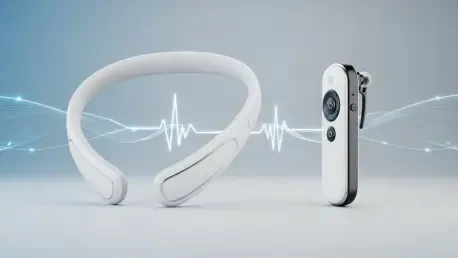
Both the original Pulsetto and the newer Pulsetto FIT are designed to be worn as a collar, delivering bilateral stimulation to the neck. This method of non-invasive cervical vagus nerve stimulation (ncVNS) is intended to provide a robust signal to the nervous system, potentially offering a more direct influence on the heart and lungs. On the other hand, the Nurosym device by Parasym utilizes a tragus ear clip to deliver Auricular Vagal Neuromodulation Therapy (AVNT). This approach leverages the high density of vagal fibers near the skin of the ear, providing a subtle yet clinically validated method of neurological modulation that many find less intrusive than neck-based alternatives.
The overarching purpose of these devices is to provide a reliable tool for nervous system regulation that can be used at home or in an office setting. By addressing stress, anxiety, and sleep quality, they serve as a preventative measure against the long-term effects of chronic burnout. This proactive approach to mental and physical well-being represents a significant evolution in wellness technology, moving beyond simple tracking toward active intervention. As the industry continues to grow, these devices offer a glimpse into a future where neurological health is as manageable as physical fitness, provided the user selects the technology that best fits their unique biological needs.
Technical Mechanisms, Economic Models, and User Experience
Stimulation Site and Delivery Technology
The technical divergence between these two devices begins with the specific branch of the vagus nerve they choose to activate. Nurosym relies on its patented Auricular Vagal Neuromodulation Therapy (AVNT), which delivers impulses through a clip attached to the tragus of the ear. This method is backed by extensive research suggesting that the auricular branch provides a highly accessible and safe entry point for neuromodulation. The Nurosym hardware is streamlined and research-focused, operating as a standalone unit that prioritizes clinical precision over software complexity, making it a favorite for those who value medical-grade technology.
In contrast, Pulsetto utilizes non-invasive cervical vagus nerve stimulation (ncVNS) through its unique U-shaped neck collar. This device positions electrode pads on either side of the neck to stimulate the cervical vagus nerve directly. Pulsetto differentiates itself by offering five specialized software modes: Stress, Anxiety, Sleep, Burnout, and Pain. These modes allow users to tailor their sessions to their specific needs, with each program utilizing different frequencies and intensities to achieve the desired effect. This software-centric approach provides a level of customization that contrasts sharply with Nurosym’s hardware-first methodology.
The physical sensation of these two technologies also varies due to their placement. Because Pulsetto stimulates the neck, users may feel the pulses closer to their major arteries and throat, which can be a more intense experience for some. Nurosym’s ear-based approach is often perceived as more localized, though it still produces a distinct tingling sensation. Ultimately, the choice between the two delivery systems often depends on whether a user prefers the broad, bilateral stimulation of a neck collar or the more targeted, localized approach of an auricular ear clip.
Total Cost of Ownership and Economic Structure
When evaluating these devices, the initial purchase price is often the most visible point of comparison, but it does not tell the whole story. Nurosym is positioned as a premium investment, typically retailing for approximately $825. This high entry price reflects its medical-grade positioning and the extensive clinical research invested in its development. However, Nurosym operates on a “buy-it-once” model, meaning there are no ongoing costs for conductive gels, replacement pads, or software subscriptions. For the long-term user, this upfront investment can actually be more economical than alternatives with recurring fees.
Pulsetto offers a much lower barrier to entry, with the device typically priced between $215 and $224 depending on the specific model and current promotions. This makes it highly accessible for those who are new to vagus nerve stimulation and hesitant to commit a large sum of money. However, the total cost of ownership for Pulsetto includes recurring expenses that can add up over time. Users must purchase a proprietary conductive gel for approximately $40.79 every few months to ensure proper contact between the electrodes and the skin. Furthermore, many of the advanced features and guided sessions are locked behind a premium app subscription that costs $139 annually.
The economic trade-off is therefore a choice between a high upfront cost and a lower initial price with significant ongoing maintenance fees. A user who plans to use their device for several years might find that the total cost of Pulsetto eventually matches or exceeds the cost of Nurosym. Conversely, for someone looking to experiment with VNS technology for a shorter period, Pulsetto provides a functional and effective entry point without the immediate financial sting of a premium medical device.
Device Design and Daily Lifestyle Integration
The physical form factor of each device dictates how easily it can be integrated into a busy daily routine. Pulsetto’s U-shaped collar is designed to be worn around the neck, which allows for hands-free use but does introduce a “mess factor” due to the requirement for conductive gel. After each session, which typically lasts between four and ten minutes, the user must wipe away the gel from both their neck and the device’s electrodes. This step can be inconvenient for those who wish to use the device during a workday or while wearing professional clothing, as the gel can occasionally get into the hair or onto shirt collars.
Nurosym’s design consists of a handheld controller connected by a thin wire to a tragus ear clip. This configuration is significantly cleaner than Pulsetto’s because it requires no conductive gel or water for contact. The plug-and-play nature of Nurosym makes it exceptionally easy to use while reading, working at a desk, or even watching television. The lack of cleanup means sessions can be started and ended instantly, providing a seamless experience for those with tight schedules. However, some users may find the wired connection to the handheld controller slightly more restrictive than Pulsetto’s all-in-one neck collar.
Software requirements also play a major role in the user experience. Pulsetto is entirely dependent on a smartphone app; the device cannot function without being paired via Bluetooth. While the app provides a modern interface and health-tracking features, it also introduces “app fatigue” for users who prefer to disconnect from their phones during relaxation sessions. Nurosym, being a standalone system, requires no app or smartphone connection. This tactile, hardware-based interface appeals to individuals who want a simpler routine and those who are wary of the distractions and privacy concerns often associated with health-tracking applications.
Implementation Challenges and Safety Considerations
While both devices are designed for ease of use, they are not without their practical obstacles. Pulsetto has a steeper learning curve regarding the application of the conductive gel; using too little can result in poor stimulation, while using too much can be messy. Users must also learn to position the collar correctly to ensure the electrodes are making optimal contact with the vagus nerve. Nurosym users, meanwhile, might face challenges with the fitment of the ear clip. While it is designed to be universal, individuals with uniquely shaped or very small tragi may find the clip requires frequent readjustment to maintain a consistent signal.
The physical sensation of vagus nerve stimulation can be surprising for beginners. Both Pulsetto and Nurosym can cause a prickly or tingling sensation that may feel slightly uncomfortable if the intensity is set too high. It is common for users to experience a slight twitching in the ear or neck muscles during stimulation. These sensations are generally harmless, but they require a period of acclimation. It is important for users to start at a low intensity and gradually increase it as their nervous system becomes more accustomed to the electrical impulses, rather than rushing toward the highest setting in search of faster results.
Safety is a critical consideration for any device that interfaces with the nervous system. Both manufacturers list strict contraindications to protect vulnerable populations. These devices should not be used by individuals who are pregnant, have a history of epilepsy, or have implanted medical devices such as pacemakers or cardiac clips. Because VNS can influence heart rate and blood pressure, anyone with a pre-existing cardiovascular condition should consult a healthcare professional before beginning a regimen. Furthermore, minor skin irritation at the site of the electrodes is a possibility, though this is usually temporary and can be mitigated by ensuring the skin is clean and the device is properly maintained.
The final challenge for users is the time commitment required to see tangible results. Vagus nerve stimulation is not a “quick fix” for chronic anxiety or sleep disorders; it is a cumulative therapy. Most users do not feel a profound change after a single session. Instead, the benefits typically manifest after several weeks of consistent, daily use. This requires a level of discipline and patience that can be difficult for those used to the immediate effects of pharmaceutical interventions. Maintaining realistic expectations is essential for long-term success with either the Pulsetto or Nurosym platforms.
Strategic Verdict and Consumer Guidance
The comparison between Pulsetto and Nurosym ultimately revealed a clear divide in target demographics and usage philosophies. Nurosym stood out as the superior choice for those who valued clinical rigor, ease of use, and a long-term perspective. Its “buy-it-once” pricing model and gel-free operation made it the most practical device for daily, long-term integration into a professional or domestic routine. While the upfront investment was higher, the lack of recurring subscription fees and maintenance costs provided a sense of ownership and simplicity that many found worth the initial expense.
Pulsetto, on the other hand, established itself as the premier option for budget-conscious beginners and tech-savvy individuals who enjoyed a digital-first approach to wellness. The device provided a functional and effective introduction to vagus nerve stimulation at a fraction of the initial cost of Nurosym. For users who didn’t mind the maintenance tasks, such as applying gel and cleaning the device, Pulsetto offered a high degree of customization through its specialized app modes. This made it a particularly attractive option for those who wanted to track their progress and engage with a data-driven health regimen.
The decision framework for choosing between these two giants depended on several key priorities. If a user prioritized a mess-free experience and wanted to avoid “app fatigue” or recurring monthly costs, Nurosym was the logical recommendation. However, if the goal was to minimize initial spending while gaining access to specific programs for pain or burnout, Pulsetto served as a highly capable alternative. Both devices proved to be valuable additions to a modern wellness toolkit, offering legitimate pathways toward nervous system regulation for those willing to commit to the process.
Ultimately, the market for vagus nerve stimulation has provided enough variety to accommodate different lifestyles and financial situations. The choice between the auricular approach of Nurosym and the cervical approach of Pulsetto allowed individuals to select the stimulation site that felt most comfortable for them. Regardless of the chosen device, the true value of these tools was found in their ability to empower users to take control of their physiological response to stress. By moving beyond passive monitoring and into active neurological modulation, both Pulsetto and Nurosym helped define a new standard for personal health management.