
The biological impact of specific light frequencies has transitioned from specialized clinical experiments to a central pillar of home-based metabolic optimization for health-conscious consumers. This shift signifies a broader movement toward proactive self-care, where individuals seek to leverage the power of photobiomodulation to influence cellular behavior without the need for invasive surgical interventions. As the market saturates with varying form factors, from flexible wraps to full-body mats, the necessity for a rigorous evaluation of hardware capabilities and biological efficacy becomes paramount. The primary goal of this review is to dissect the current landscape of red light therapy (RLT) devices, assessing their practical utility in addressing stubborn adipose tissue and enhancing overall physiological resilience.
The Strategic Value of Red Light Therapy in Modern Wellness
Evaluating the return on investment for at-home photobiomodulation requires a shift in perspective from traditional weight loss metrics to those of targeted metabolic enhancement. While the initial capital expenditure for a high-quality RLT device may seem substantial, the long-term cost-benefit analysis often favors home ownership over recurring clinical appointments. Professional-grade treatments in a medical spa or wellness clinic can cost hundreds of dollars per session, meaning a dedicated home device often pays for itself within the first few months of consistent use. Furthermore, the convenience of having immediate access to the technology ensures a level of adherence that is rarely achievable when relying on external appointments.
Identifying how light therapy addresses stubborn fat and metabolic challenges involves understanding the limits of traditional exercise and calorie restriction. Many individuals experience regional fat deposits that remain resistant to systemic weight loss efforts due to poor localized circulation or hormonal factors. Red light therapy serves as a strategic intervention by targeting these specific areas, enhancing the mitochondrial function within the cells and encouraging a more efficient utilization of stored energy. It does not replace the necessity of a healthy lifestyle but rather acts as a force multiplier, optimizing the biological environment so that diet and movement become more effective.
Determining the viability of RLT as a non-invasive alternative to clinical procedures like liposuction or cryolipolysis highlights its role as a safer, risk-averse option. Unlike surgical methods that involve downtime, potential scarring, or localized trauma, light-based contouring relies on the body’s natural physiological pathways to eliminate liberated lipids. While the results may be more gradual than surgical removal, the lack of side effects and the secondary benefits to skin health make it an attractive proposition for those prioritizing long-term wellness. The strategic value lies in the ability to achieve measurable changes in body composition through a modality that supports, rather than stresses, the systemic health of the individual.
Technological Overview and Core Functions of RLT Devices
Mechanisms of Cellular Fat Release: The Biological Engine
The fundamental process behind light-induced fat reduction begins when wavelengths between 630nm and 850nm penetrate the subcutaneous layers of the skin. These specific bands of light are absorbed by chromophores within the mitochondria, specifically cytochrome c oxidase, which triggers an increase in adenosine triphosphate (ATP) production. This surge in cellular energy creates a cascade of signaling molecules that leads to the temporary alteration of the adipocyte membrane. Unlike permanent destruction of the cell, this method focuses on temporary permeability, allowing the cell to remain functional while discharging its stored contents.
The process of creating temporary pores in adipocytes, often referred to as transitory pores, allows for the leakage of triglycerides into the interstitial space. Researchers have observed that under the influence of high-intensity red light, fat cells begin to deflate much like a balloon releasing air. This mechanism is purely physical and biochemical, occurring without the thermal damage associated with some laser-based treatments. Because the cell itself remains intact, the body avoids the inflammatory response typically triggered by cell death, leading to a smoother recovery and a more natural-looking reduction in volume over the treated area.
The role of the lymphatic system in processing liberated lipids is the final, and perhaps most critical, stage of the process. Once the fats have exited the cells and entered the surrounding fluid, the body must transport and eventually metabolize or excrete them. This highlights why RLT is often most effective when paired with activities that stimulate lymphatic drainage, such as hydration, light movement, or dry brushing. Without a functional exit strategy provided by the lymphatic system, the liberated fats may simply be reabsorbed by neighboring cells, rendering the light treatment less effective for long-term contouring.
Essential Hardware Components and Unique Selling Points: Engineering Efficacy
The performance of any RLT device is fundamentally dictated by its high-density LED arrays and its irradiance, measured in milliwatts per square centimeter (mW/cm²). Irradiance determines the “dose” of light delivered to the tissue; if the power density is too low, the light will not penetrate deeply enough to reach the subcutaneous fat layers. High-quality devices in the current market prioritize a density that ensures uniform coverage, preventing the occurrence of “cold spots” where treatment would be ineffective. This technical precision is what separates professional-grade equipment from budget-friendly lamps that may provide surface-level skin benefits but fail to influence deeper metabolic processes.
The significance of dual-spectrum delivery, combining both Red (630nm-660nm) and Near-Infrared (810nm-850nm) wavelengths, cannot be overstated for body contouring. Red light is primarily absorbed by the superficial layers of the skin, making it excellent for collagen production and skin tightening, which is a necessary accompaniment to fat loss. In contrast, near-infrared light possesses a much higher level of tissue transparency, allowing it to bypass the dermis and reach the underlying adipose tissue. By delivering both spectra simultaneously, modern devices ensure that as the fat is released, the overlying skin is stimulated to retract and firm up, preventing the sagging that can occur with rapid volume loss.
Innovations in pulsing technology represent a significant leap in preventing cellular adaptation to the light stimulus. Constant exposure to a steady beam of light can lead to a plateau in biological response, as the cells become “saturated” and stop reacting to the signal. By incorporating rapid pulsing, some devices mimic a more dynamic environment, which may enhance the penetration depth and keep the mitochondrial receptors responsive throughout the entire session. This technical refinement is increasingly found in high-end mats and wraps, catering to users who want the most efficient treatment possible in the shortest amount of time.
Performance Evaluation and Real-World Application
Power Density and Tissue Penetration Analysis: Reaching the Target
Assessing the Novaa Light Pad XL reveals its status as a premier option for high-intensity targeted treatment due to its impressive power output. It is engineered to provide a concentrated dose of energy directly to the skin, which is essential for overcoming the natural scattering of light that occurs when it hits the body. For individuals targeting dense areas of adipose tissue, such as the lower abdomen or the hips, the high irradiance of this device ensures that a therapeutic threshold is reached within a relatively short fifteen-minute window. The flexible nature of the pad further assists in this by allowing the LEDs to sit flush against the body, minimizing the loss of energy to the surrounding environment.
Evaluating the depth of penetration for visceral versus superficial fat clarifies the realistic expectations for different device types. Superficial fat, located just beneath the skin, is easily accessible to standard RLT wavelengths, but visceral fat, which surrounds the internal organs, requires the maximum possible near-infrared intensity. Most portable or wrap-style devices are optimized for the former, providing excellent results for aesthetic contouring and inch loss. However, for those looking to influence metabolic markers associated with visceral fat, a higher-powered panel or a high-density mat is generally required to ensure the photons reach those deeper, more stubborn layers of the body.
Design Diversity and Coverage Efficiency: Form Following Function
Comparing full-body mats, such as those produced by HigherDose, highlights a different philosophy centered on systemic recovery and total-body exposure. While a targeted pad is more powerful for a single spot, a mat allows for the simultaneous treatment of the back, legs, and torso, which can stimulate a more generalized metabolic boost. This approach is particularly beneficial for those who view light therapy as a recovery tool after intense exercise, as it addresses muscle soreness and systemic inflammation while providing secondary contouring benefits. The coverage efficiency of a mat reduces the total time needed to treat multiple areas, though it may lack the concentrated intensity of a smaller, focused wrap.
Testing the efficacy of hybrid models like the Hooga Acupressure Mat introduces an interesting variable into the contouring equation. By combining the biological stimulation of red light with the physical stimulation of acupressure spikes, these devices attempt to address both the fat release and the lymphatic drainage phases simultaneously. The pressure from the mat can help move the interstitial fluid, potentially speeding up the removal of the lipids that the red light has helped release. While this multi-modal approach is innovative, the user must balance the intensity of the acupressure with the duration of the light therapy, making it a more specialized tool for those comfortable with physical therapy techniques.
Usability and Consistency Factors: The Human Element
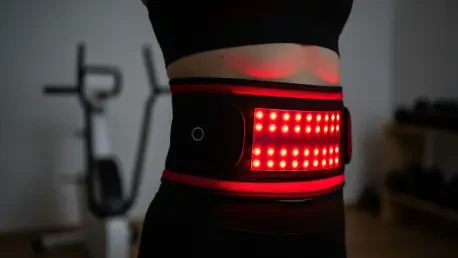
Assessing wearable belts, particularly those from the MitoQUAD or Hooga lines, emphasizes the importance of integration into daily routines. The primary reason many individuals fail to see results with light therapy is a lack of consistency; the biological changes are transient and require frequent reinforcement. Wearable belts solve this by allowing the user to remain mobile during treatment, whether they are working at a desk or moving around the house. This hands-free operation effectively removes the “time barrier” to treatment, making it much more likely that the user will complete the recommended four to five sessions per week necessary for visible changes.
Evaluating battery life, wireless capabilities, and ease of use reveals that the most effective device is the one that actually gets used. Modern 2026-era devices have largely moved toward high-capacity rechargeable batteries, eliminating the need to be tethered to a wall outlet. This portability is not just a convenience; it is a functional requirement for those with busy lifestyles. When a device is easy to put on and does not require a dedicated “station,” the psychological friction associated with starting a session is greatly reduced, leading to better long-term adherence and more predictable body-sculpting outcomes.
Analyzing the Pros and Cons of Light-Based Contouring
Strengths in Targeted Adipose Reduction: A Non-Invasive Advantage
The most significant strength of light-based contouring is its ability to offer non-invasive, pain-free body sculpting that does not require any downtime. Users can perform a session in the morning and go about their day without the soreness or inflammation associated with more aggressive treatments. This makes it an ideal choice for individuals who are already active but are struggling with localized areas that do not respond to their fitness regimen. The psychological benefit of seeing a reduction in inches without the trauma of surgery provides a powerful incentive for maintaining a healthy lifestyle.
Secondary advantages, such as skin rejuvenation and muscle recovery, provide a comprehensive wellness experience that goes beyond simple fat loss. Because the wavelengths used for contouring also stimulate collagen production, users often report that the skin in the treated area looks smoother and more vibrant. This dual-action approach ensures that as the body loses volume, the skin remains taut and healthy. Furthermore, the anti-inflammatory properties of near-infrared light help to soothe muscle aches, making the device a multipurpose tool for overall physical maintenance.
The portability and convenience of modern device form factors have revolutionized how this technology is consumed. No longer confined to expensive clinics, professional-grade photobiomodulation is now accessible in the bedroom, the office, or even while traveling. This democratization of high-end wellness technology allows individuals to take full control of their metabolic health. The compact designs of 2026-standard wraps and belts mean that a high-intensity treatment can fit into a carry-on bag, ensuring that the user’s progress is not interrupted by a change in location or schedule.
Operational Limitations and Metabolic Requirements: Managing Expectations
One of the primary operational limitations is the absolute necessity of a “holistic stack,” including diet and movement, for visible results to manifest. Red light therapy is not a passive weight-loss solution; it is a catalyst for fat release, but the body must still burn that fat as fuel. If a user remains in a caloric surplus and leads a sedentary lifestyle, the fat released into the lymphatic system will simply be stored again in different adipocytes. This requirement for synergy with other health habits means that RLT is a tool for the dedicated, rather than a “magic bullet” for those unwilling to make lifestyle changes.
The risk of diminished returns through overexposure, a phenomenon known as the biphasic dose response, represents a critical technical hurdle for inexperienced users. In the world of photobiomodulation, more is not always better; there is a “sweet spot” of energy delivery that triggers the desired biological response. If a user exceeds the recommended time or frequency, the cellular receptors can become temporarily unresponsive, or the body may even experience a mild inhibitory effect. This necessitates a disciplined approach to treatment times and a strict adherence to the protocols provided by reputable manufacturers to ensure the best possible outcome.
Initial cost barriers for high-irradiance, professional-grade equipment can also be a significant deterrent for many prospective buyers. While budget options exist, they often lack the power density required to produce meaningful results in fat reduction, leading to frustration and a perceived lack of efficacy. Investing in a high-quality device requires a significant upfront payment, which can be difficult to justify without a clear understanding of the technology. However, when viewed as a long-term investment in health and a replacement for more expensive clinical alternatives, the cost often becomes more palatable for the serious wellness enthusiast.
Summary of Findings and Device Recommendations
The synthesis of performance data across targeted pads and full-body mats reveals a clear hierarchy of utility based on individual goals. For those primarily focused on aesthetic contouring and localized fat reduction, high-irradiance targeted pads like the Novaa Light Pad XL demonstrate the greatest efficacy due to their ability to deliver a concentrated dose exactly where it is needed. These devices offer the most direct path to inch loss and are the most efficient at penetrating the subcutaneous layers. In contrast, full-body mats are superior for systemic inflammation and recovery, providing a broader but less intense therapeutic effect that serves the entire body simultaneously.
The final assessment of RLT as a supplementary contouring tool confirms that it is a legitimate and scientifically-backed method for influencing body composition. It bridges the gap between traditional fitness and clinical aesthetics, offering a middle ground that is both safe and effective. While it does not replace the fundamental pillars of health, it provides a technological advantage that can help overcome genetic or metabolic plateaus. The data suggests that for the best results, users should categorize their needs and select a device that matches their specific lifestyle constraints and physical objectives.
For “The Athlete,” a high-intensity targeted wrap is recommended to focus on both recovery and stubborn fat areas after training. “The Professional” should prioritize a wireless, wearable belt like the MitoQUAD to ensure that treatment can happen during work hours without interruption. Finally, “The Wellness Enthusiast” who seeks a more holistic, systemic benefit will find the most value in a full-body mat like the HigherDose model, which integrates seamlessly into a relaxing home-spa routine. Each category of device has been refined to provide a specific type of value, ensuring that there is a viable option for every type of user in the current market.
Final Guidance for Prospective Buyers
Prospective buyers previously focused on overall weight loss found more success after shifting their expectations toward inch loss and localized contouring. It was observed that individuals who tracked their progress through measurements and clothing fit, rather than just the scale, reported higher levels of satisfaction with the technology. This distinction was crucial because red light therapy primarily reshaped the body by shrinking fat cells rather than drastically altering total body mass through caloric expenditure. Understanding this nuance allowed users to appreciate the aesthetic improvements even when their weight remained relatively stable.
Safety considerations were paramount, and users who consulted with healthcare providers before starting a regimen experienced fewer complications related to skin sensitivities or underlying conditions. The importance of verifying wavelength accuracy and irradiance transparency became evident as more third-party testing results were published. Consumers who prioritized devices with clear safety certifications, such as those meeting international electrical and optical standards, generally reported a more reliable and consistent experience. This focus on quality over marketing hype protected many from investing in underpowered “beauty lights” that offered little more than a red glow.
The key criteria for a successful purchase involved a careful examination of the manufacturer’s data regarding power density at a specific distance from the skin. It was discovered that the most satisfied users were those who understood that the effectiveness of the light dropped off significantly with even a few inches of space between the device and the body. Consequently, the preference shifted toward flexible, contact-based designs that ensured the maximum number of photons reached the tissue. These practical insights helped buyers navigate a complex market, ensuring that their investment in red light therapy was both safe and strategically sound for their long-term wellness journey.