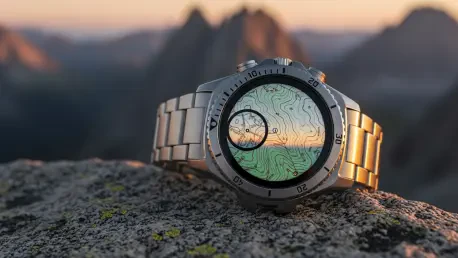

Athletes frequently find themselves caught between the desire for military-grade hardware and the sobering reality of a thousand-dollar price tag on a modern wrist-mounted computer. For years, the industry consensus suggested that premium materials like sapphire crystal and stainless steel were luxury upgrades reserved only for the elite. The Suunto Race fundamentally challenges this notion by integrating these high-end components into a device that remains accessible to the average outdoor enthusiast.
The inclusion of a scratch-resistant sapphire lens ensures that the display remains pristine even after grueling sessions in rocky terrain. This level of physical protection, paired with a robust metal casing, provides a sense of security that was previously associated only with top-tier professional models. By prioritizing these structural elements, the device sets a new standard for what constitutes a mid-range investment in the current market.
Why Top-Tier Durability No Longer Requires a Four-Digit Investment
For a long time, consumers believed that surviving extreme alpine environments required a budget-shattering expenditure on specialized gear. This perception was often reinforced by dominant brands that gated their most resilient materials behind their most expensive product tiers. However, the emergence of more efficient manufacturing processes has allowed heritage companies to offer stainless steel and sapphire glass at a price point that was previously unthinkable.
This shift toward accessible durability means that mountain bikers and trail runners no longer have to worry about a single fall ruining an expensive piece of technology. By democratizing access to high-quality builds, the industry is moving away from planned obsolescence and toward a model where longevity is a standard feature. This change reflects a broader consumer demand for products that can withstand the rigors of an active lifestyle without requiring a second mortgage.
The Strategic Shift: A Finnish Legend in the Wearable Tech Space
Suunto was established in 1936 by an inventor who revolutionized the liquid-filled compass, and this legacy of Finnish precision remains central to its identity. Over the decades, the brand became a staple for explorers who required tools that functioned in the most unforgiving conditions. However, the rise of multi-purpose smartwatches created a new landscape where heritage alone was no longer sufficient to maintain a dominant share against global tech giants.
To remain relevant in 2026, the company adopted a bold strategy that combines its traditional focus on ruggedness with an aggressive pricing model designed to undercut industry leaders. This maneuver targets a growing demographic of consumers who are weary of paying a “tech tax” for features they may never fully utilize. By focusing on essential high-performance metrics at a lower entry point, the brand is successfully reclaiming its position as a primary choice for serious athletes.
Technical Specifications: How the Suunto Race Matches High-End Competition
One of the most striking features of the hardware is the 1.43-inch AMOLED display, which delivers high-contrast visuals that make data interpretation effortless. This screen technology is not just for aesthetics; it provides the clarity needed to read complex topographical maps in direct sunlight. With over 95 sport modes, the device offers specialized tracking for almost any conceivable athletic pursuit, from trail running to open-water swimming.
Precision is further enhanced by a dual-band GNSS system that ensures accurate positioning even in densely wooded areas or urban canyons. The power management system is equally impressive, offering up to 40 hours of battery life with maximum GPS accuracy. This balance between high-resolution display technology and long-lasting energy reserves addresses the primary pain points of many modern smartwatches, making it a reliable companion for endurance events.
Assessing the User Experience: Why Experts Are Validating the Suunto Shift
Expert evaluations have consistently highlighted that the digital interface provides a streamlined experience that rivals the complexity of much more expensive rivals. A significant advantage is the availability of free, downloadable offline maps, which allow users to explore remote areas without relying on a cellular connection. This functionality transforms the watch into a standalone navigation tool, providing peace of mind for those who venture far off the beaten path.
The integration of health metrics such as heart rate variability and comprehensive sleep analysis allows athletes to manage their recovery as effectively as their training. By providing a holistic view of the body’s readiness, the software helps prevent overtraining and encourages a more sustainable approach to physical fitness. The lack of hidden paywalls for advanced analytics has contributed to the consensus that this device offers a superior price-to-performance ratio.
A Practical Framework: Choosing Between Heritage Value and Mainstream Brands
The decision to prioritize functional excellence over high-profit margins represented a significant turning point for the outdoor electronics sector. Athletes recognized that the true value of a training tool lay in its reliability and the accuracy of the data it produced during critical moments. As the market evolved, the distinction between luxury branding and professional utility became increasingly clear to those who scrutinized their equipment choices.
Choosing between a heritage brand and a mainstream giant eventually required a practical assessment of which features genuinely improved the training experience. Consumers discovered that the most expensive option did not always equate to better performance on the trail or in the water. Ultimately, the trend toward high-value alternatives provided a sustainable path forward for athletes who sought professional-grade technology without the burden of an unnecessary financial premium.