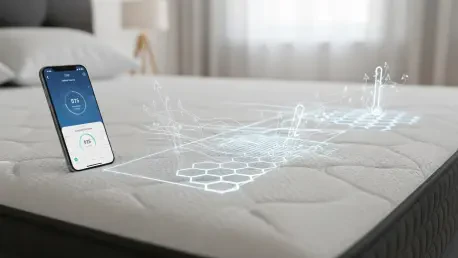

Modern sleep technology has evolved far beyond simple cushioning, transforming the bedroom into a sophisticated laboratory dedicated to human recovery and long-term health optimization. As individuals increasingly prioritize metabolic health and cognitive performance, the demand for restorative rest has led to the development of integrated systems that manage the environment in real-time. The latest innovations in this sector focus on solving the persistent challenge of thermal regulation, which remains one of the primary disruptors of deep sleep cycles. By combining reactive materials with active airflow systems, manufacturers are now able to create a personalized microclimate that adjusts to the body’s shifting needs throughout the night. This shift represents a move away from passive mattresses toward active sleep platforms that not only support the physical frame but also utilize high-fidelity data to refine the quality of rest and provide actionable insights into a user’s overall physiological state and daily readiness.
Thermal Regulation and Climate Control
Active Airflow: Maintaining the Ideal Microclimate
The implementation of active cooling and heating within the mattress architecture addresses the physiological necessity of core temperature reduction for sleep onset. Utilizing internal fans that distribute air throughout the central layers of the mattress, the system ensures that heat is effectively dissipated rather than trapped against the sleeper’s body. This mechanism is complemented by specialized foot-warming technology integrated into the adjustable base, which serves a dual purpose. By gently warming the extremities, the system encourages vasodilation, which facilitates a faster drop in core temperature, helping users fall asleep significantly quicker during the initial stages of the night. This sophisticated thermal management allows for precise intensity adjustments and automated scheduling, enabling the bed to reach a preferred temperature before the user even enters the room, thereby removing the discomfort of a cold surface while maintaining a steady, breathable environment.
Personalized Warmth: Automated Pre-Heating and Recovery
Beyond simple cooling, the ability to maintain a consistent warmth profile offers unique benefits for physical recovery and muscle relaxation after a strenuous day. The system allows for a high degree of customization, where users can set specific zones of the bed to different temperatures, catering to couples with divergent thermal preferences. This level of control extends to a pre-warming feature that can be timed to activate thirty minutes before a scheduled wake-up or bedtime. While providing an exceptionally comfortable environment, this feature creates a noticeable psychological shift in how users perceive their sleep space, often making the bed so inviting that the transition to wakefulness becomes a challenge. The integration of these heating elements within the foam structure does not compromise the underlying support, ensuring that the thermal tech remains secondary to the physical comfort provided by the pressure-relieving materials designed to cradle the sleeper.
Data Integration and Physical Architecture
Biometric Monitoring: Insights Without Wearables
A defining characteristic of modern smart sleep systems is the ability to gather exhaustive biometric data without the need for intrusive wearable devices or external sensors. The integrated hardware monitors a comprehensive range of metrics, including heart rate variability, breathing patterns, and the duration of specific sleep stages such as REM and deep sleep. While initial readings may require a calibration period of approximately five days to align with other high-end health trackers, the resulting accuracy provides a robust overview of sleep hygiene. The accompanying digital interface transforms this raw data into visual breakdowns, offering daily and monthly trends that help users identify correlations between their environment and their quality of rest. By analyzing these patterns, the system offers specific suggestions for improvement, turning the act of sleeping into a data-driven process that supports long-term wellness goals through consistent and precise observation.
Structural Engineering: The Evolution of Pressure Relief
The physical construction of the platform utilizes high-density memory foam engineered for deep contouring and a deliberate response time, providing a sensation of weightlessness. Unlike hybrid alternatives that react instantly, this specialized material takes several minutes to mold to the unique shape of the user’s body, ensuring that pressure is distributed evenly across the entire surface. This structural integrity prevents the development of aches and pains by providing firm, consistent support that remains stable throughout the night. To access the full suite of climate and tracking features, the mattress and the adjustable base were designed to operate as a single, cohesive unit. This integrated approach solved the problem of fragmented sleep technology, ensuring that the hardware and software worked in harmony to support the body’s natural recovery processes. These advancements encouraged a more proactive approach to health, focusing on long-term data trends and environmental stability.