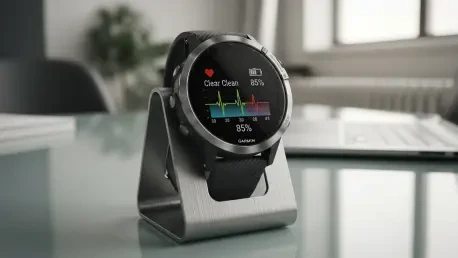

Reliability in the wearable tech industry is often measured by how little a user has to think about their device while performing at their absolute peak. In the current landscape of 2026, Garmin has transitioned from being a mere manufacturer of GPS hardware to a holistic architect of human performance data. While many consumer electronics brands focus on the aesthetic of the wrist-bound computer, Garmin has doubled down on the utility of the rugged tool. This shift has created a specialized market where durability and cross-platform flexibility are prioritized over the restrictive walled gardens often found in the smartphone-adjacent smartwatch market.
The objective of this exploration is to dissect the current state of Garmin’s diverse product lineup, answering the most pressing questions regarding which devices suit specific lifestyles. From the casual fitness enthusiast seeking a balanced lifestyle tracker to the elite alpinist requiring satellite-linked safety features, the 2026 catalog offers a nuanced array of choices. Readers can expect to learn about the technological leaps in sensor accuracy, the evolution of battery longevity, and how proprietary metrics like Body Battery have changed the way athletes approach recovery and exertion.
By examining the specific strengths of the current models, this guide provides a roadmap for selecting a companion that survives both the literal and figurative elements. The focus remains on professional-grade hardware that functions as a reliable partner in the field. Understanding the nuances of these devices ensures that a purchase is not just a seasonal trend but a multi-year investment in personal health and safety.
Key Questions: Choosing the Right Garmin for Your Lifestyle
Which Model Offers the Best Balance for Daily Fitness and Lifestyle Tracking?
The search for a versatile all-rounder often leads to the Garmin Vivoactive 6, a device designed to exist at the intersection of high-intensity training and everyday life. While dedicated sports watches can sometimes feel overly mechanical or bulky for a corporate environment, this model maintains a sleek profile without sacrificing the essential biometric sensors that define the brand. It is particularly relevant for individuals who want detailed health insights—such as sleep quality, stress levels, and blood oxygen saturation—without the astronomical price tag of professional mountaineering equipment.
This specific wearable utilizes a high-resolution AMOLED touchscreen that remains legible even under the harsh glare of direct midday sun. Beyond the visuals, the hardware suite includes a compass, gyroscope, and thermometer, providing a level of environmental awareness that basic fitness trackers lack. For those who prioritize safety during solo morning runs, the integrated incident detection and satellite connectivity offer peace of mind by alerting emergency contacts if a fall is detected. It serves as an accessible entry point into an ecosystem that values data integrity above all else.
How Does the Venu X1 Compare to the Industry Leading Smartwatches?
The Garmin Venu X1 has been positioned as a direct competitor to high-end, multi-purpose smartwatches, specifically targeting users who demand better battery performance. In a market where many flagship devices struggle to last more than forty-eight hours, the Venu X1 manages to provide approximately a full week of power on a single charge. This longevity is achieved through efficient power management and a specialized 2-inch AMOLED display that balances vibrance with energy consumption. Its slim 8 mm profile also makes it one of the most comfortable options for long-term wear, particularly during sleep tracking where bulkier watches often become a nuisance.
While it may not feature the titanium construction found in specialized outdoor lines, it compensates with advanced software capabilities and preloaded mapping that is traditionally reserved for higher-tier models. The device functions as a bridge for those transitioning from an Apple or Android-centric watch who still want a sophisticated interface but require the deeper athletic metrics Garmin provides. It effectively proves that a “smart” watch does not have to be tethered to a daily charging cable to remain functional and feature-rich.
Why Is the Fenix 8 Considered the Ultimate Tool for Outdoor Enthusiasts?
For those whose adventures take them into extreme environments, the Fenix 8 AMOLED represents the peak of rugged engineering. This model has successfully merged the legendary durability of the Fenix lineage with the visual clarity of AMOLED technology, creating a device that is as tough as it is easy to read. It is built to withstand significant physical trauma, featuring sapphire glass and titanium bezels that protect against impacts with rock, ice, or salt water. The inclusion of a depth sensor further expands its utility, allowing it to serve as a legitimate dive computer for those engaging in scuba or free diving.
One of the most practical additions to this series is the built-in LED flashlight, which has evolved from a niche curiosity into an essential tool for navigating dark trails or setting up camp at night. Furthermore, the Pro version of this device incorporates inReach satellite technology, enabling two-way messaging and SOS triggers in areas where cellular service is non-existent. This level of redundancy and specialized hardware ensures that the watch is not just a luxury item but a critical piece of safety equipment for serious backcountry exploration.
What Makes the Forerunner 970 the Preferred Choice for Competitive Runners?
The Forerunner 970 is the culmination of decades of research into running mechanics, designed specifically to help athletes optimize their gait and energy expenditure. It features a fifth-generation optical heart rate monitor that provides accuracy levels previously only achievable with a chest strap, which is vital for training in specific aerobic zones. Beyond simple pace and distance, the 970 introduces the Acute Impact Load metric, which evaluates the physical toll of a session by considering elevation and terrain rather than just flat-ground speed. This helps runners understand the true cost of a trail run versus a track workout.
Moreover, the watch focuses heavily on injury prevention through its Running Tolerance insights. By analyzing previous impact loads and recovery times, the software suggests whether a user should push for a personal best or take a recovery day to avoid overuse injuries. When paired with the broader ecosystem, such as the HRM 600 chest strap, the watch unlocks data on running economy and vertical oscillation, giving competitive athletes the granular information needed to shave seconds off their race times. It is a focused tool that treats running as a science rather than a hobby.
Is the Instinct 3 a Viable Alternative for High-Impact Sports?
When the primary concern is surviving a crash on a mountain bike or a scrape against a granite wall, the Instinct 3 emerges as the most sensible choice. It eschews the polished elegance of the Venu or Fenix lines in favor of a “retro-chic,” utilitarian aesthetic that emphasizes impact resistance. The 2026 version has been upgraded with an AMOLED screen, yet it retains the traditional five-button interface that remains the gold standard for navigation when hands are sweaty or covered in gloves. The metal-reinforced bezel acts as a shield, ensuring the internal components remain functional after heavy use in the field.
The value proposition of the Instinct 3 lies in its ability to provide nearly all the backcountry power of the Fenix series at a significantly lower price point. It is the go-to wearable for climbers, hikers, and mountain bikers who need a device that can take a beating without a second thought. Despite its rugged exterior, it still provides full access to Garmin’s proprietary health algorithms, making it a comprehensive health monitor that happens to be encased in an almost indestructible shell.
How Does the Garmin Software Ecosystem Enhance User Performance?
The true value of a Garmin wearable often resides in the Garmin Connect platform, which interprets raw sensor data into actionable advice. Unlike many competitors that have locked their most valuable insights behind a recurring paywall, Garmin provides its core metrics—like Body Battery and Training Readiness—as part of the hardware purchase. Body Battery, in particular, has become a staple for users, as it simplifies complex heart rate variability and sleep data into a single score from one to one hundred, indicating how much “fuel” a person has left for the day. This prevents burnout by encouraging rest when energy reserves are low.
In addition to these base features, the introduction of the optional Connect+ service has brought artificial intelligence into the coaching process. This service offers Active Intelligence, a digital trainer that adjusts workout recommendations based on real-world factors like recent sleep quality or nutritional intake. While the base software remains robust enough for most, this premium layer provides a more personalized coaching experience. By integrating data from peripheral devices like the Index S2 smart scale or bike computers, the ecosystem creates a 360-degree view of an individual’s physical state.
What Factors Influence the Accuracy of GPS and Altimeter Readings?
Even with the most advanced multi-band GNSS technology, certain environmental factors can lead to discrepancies in tracking data. One of the most common issues is the “canyon effect,” where tall urban structures or dense forest canopies cause satellite signals to bounce, potentially adding artificial distance to a recorded activity. Understanding these limitations is key to interpreting data correctly; for example, a watch without a barometric altimeter will calculate elevation based on GPS maps, which can be less precise than a device that measures actual changes in air pressure. This distinction is vital for hikers who need exact vertical gain figures.
Furthermore, user behavior often accounts for small variations in distance when two people are tracking the same route. Differences in how individuals utilize the “auto-pause” feature or minor deviations to look at a viewpoint can result in different totals over a long hike. Garmin has addressed many of these concerns by implementing more sophisticated algorithms that filter out signal noise, but environmental awareness remains a component of accurate data collection. Recognizing that the watch is a tool subject to the laws of physics helps users maintain realistic expectations of their digital breadcrumbs.
Summary of the Current Garmin Landscape
The current lineup of Garmin wearables has solidified its position by prioritizing specialized utility over generic “smart” features. The Vivoactive 6 provides a balanced entry point for the health-conscious, while the Venu X1 challenges the battery limitations of traditional smartwatches. For those operating at the extremes, the Fenix 8 and Forerunner 970 offer professional-grade tools for mountaineering and competitive athletics, respectively. Meanwhile, the Instinct 3 remains the champion of rugged value, proving that high-performance tracking does not always require a four-digit investment.
Central to all these devices is the Garmin Connect ecosystem, which remains one of the few platforms to offer comprehensive training metrics without mandatory subscriptions. The introduction of AI-driven coaching and improved sensor hardware has made the data more reliable and easier to interpret than in previous years. Whether the goal is to monitor daily stress or to navigate a remote mountain range, these devices provide the necessary context to help users understand their physical limits and potential. The consistency of the hardware and the depth of the software continues to set the benchmark for the entire industry.
Final Reflections on Wearable Technology
Selecting a wearable in the current market requires a shift in perspective from viewing the device as a phone accessory to viewing it as a personal laboratory. The advancements seen in the 2026 models suggest that the future of health technology lies in predictive analytics—knowing when an injury is likely to occur or when a rest day is non-negotiable before the body even signals fatigue. This level of insight allows for a more sustainable approach to fitness, moving away from the “no pain, no gain” mentality toward a data-driven strategy of optimization.
As individuals continue to integrate these tools into their lives, the focus should remain on how the data is utilized to drive meaningful change. A watch can provide the numbers, but the user must provide the discipline to act on them. Considering the longevity and durability of these devices, the choice made today will likely influence an individual’s training habits for several years. It is worth reflecting on which specific metrics—be it satellite safety, heart rate precision, or battery life—align most closely with one’s personal goals and environment to ensure the technology serves its purpose as a silent, reliable partner in progress.