
The pervasive nature of sleep technology has seamlessly integrated into modern life, evolving from simple wrist-worn devices to comprehensive systems that promise to revolutionize nightly rest. While many are familiar with tracking sleep stages through watches and rings, a new wave of innovation is shifting the focus from the individual to their environment, specifically to the bed itself. This movement addresses a growing desire for solutions that enhance sleep quality without requiring users to wear a device or overhaul their established bedtime habits. Smart sleep pads have emerged as a compelling and accessible solution, bridging the gap between basic tracking apps and the significant investment of a fully integrated smart mattress.
Beyond the Wearable: Why Your Mattress Is the Next Frontier in Sleep Tech
For years, the conversation around sleep optimization centered on wearable technology, which provided a wealth of data about sleep cycles, heart rate, and restlessness. While valuable, this approach places the burden of analysis and action squarely on the user. The industry is now pivoting toward ambient, integrated solutions that work quietly in the background. These technologies aim to not just monitor but actively improve sleep conditions, offering a more passive yet powerful path to better rest.
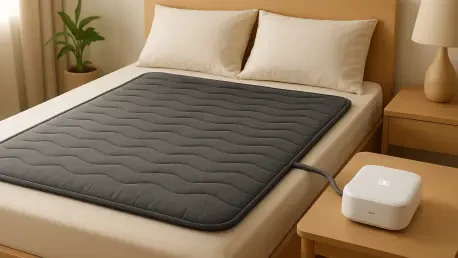
This shift has created a market for devices that enhance the existing sleep setup rather than replacing it. Smart sleep pads represent the pinnacle of this approach. Placed directly on or under a mattress, they offer sophisticated functions ranging from biometric tracking to active temperature regulation. They provide a practical entry point into advanced sleep technology, delivering tangible benefits without the cost or commitment associated with purchasing an entirely new smart bed, making them an ideal choice for those looking to upgrade their sleep hygiene with minimal disruption.
Unpacking the Innovations Underneath Your Sheets
From Passive Tracking to Active Intervention: The Core Mechanics of Smart Pads
The fundamental difference among smart sleep pads lies in their operational philosophy: some are passive observers, while others are active participants in your sleep. Passive trackers utilize sensitive, non-intrusive sensors to monitor key biometrics such as heart rate, respiratory rate, and movement throughout the night, translating this data into a comprehensive sleep score. These devices offer insights into sleep patterns, helping users identify potential issues without direct physical intervention.
In contrast, active intervention pads go a step further by responding to the body’s needs in real time. These advanced systems are equipped with climate-control technologies designed to maintain an optimal sleep temperature. For instance, a system like the one found in the Perfectly Snug Smart Topper uses a network of small, quiet fans to circulate air, gently cooling the user when it detects a rise in body temperature and providing warmth when needed. This dynamic regulation tackles one of the most common sleep disruptors, creating a stable microclimate that promotes deeper, more consistent rest.
Real-World Performance: A Head-to-Head Comparison of Leading Models
In evaluating the leading smart sleep pads, performance is best understood by categorizing them by their primary function. For those prioritizing temperature control, models designed for active heating and cooling stand out. The Perfectly Snug Smart Topper exemplifies this category, offering dual-zone temperature customization that allows partners to set independent preferences. Its mesh construction is comfortable and supportive, though it may slightly alter the feel of the underlying mattress. The automated system, which pre-warms the bed and adjusts throughout the night, provides a tangible and effective solution for hot and cold sleepers alike.
For users seeking data without disruption, the Best for Discreet Sleep Tracking category features pads that are virtually unnoticeable beneath the sheets. These devices excel at collecting accurate sleep data without wires or bulky components, sending the information to a sophisticated app for analysis. Meanwhile, models in the Best for Sleep Coaching category leverage this data to provide personalized feedback and actionable tips, guiding users toward better sleep habits through their companion app. The primary trade-off across these categories involves features versus price, with active temperature models commanding a premium over their passive tracking counterparts.
The Ecosystem of Rest: App Integration and Smart Home Connectivity
A smart pad is only as effective as its companion application, which serves as the central hub for data visualization and control. The best apps feature intuitive interfaces that present complex sleep metrics in an easily digestible format, offering clear insights rather than overwhelming users with raw data. Advanced features like personalized sleep coaching can transform the pad from a simple monitor into a dynamic tool for improving long-term sleep health. The design and usability of the app are, therefore, critical factors in the overall user experience.
The future of sleep technology lies in creating a holistic, interconnected environment. Emerging trends show smart pads integrating with other smart home devices, such as thermostats, lights, and automated blinds. This connectivity allows for the creation of customized bedtime and wake-up routines, where the pad can trigger the lights to dim, the temperature to lower, and gentle sounds to play as the user prepares for sleep. However, this level of automation requires a degree of user engagement to set up and optimize, challenging the purely “set it and forget it” appeal but unlocking a new level of personalized environmental control.
Is a Smart Pad the Right Investment for Your Sleep Health?
Deciding whether to invest in a smart pad requires a careful comparison with other available sleep technologies. A full smart mattress offers the most integrated solution but comes with a significantly higher price tag and the commitment of replacing an entire bed. On the other end, advanced wearables and cooling blankets offer targeted solutions to specific problems but lack the comprehensive, automated environmental control that a smart pad provides. The pad occupies a strategic middle ground, offering advanced features at a more accessible price point.
To determine if a smart pad is the right choice, individuals should first identify their primary sleep challenge. For those who struggle with overheating or feeling cold, a temperature-regulating pad is a clear solution. For data-driven individuals seeking to understand their sleep patterns better, a tracking-focused pad is ideal. The next wave of under-the-sheet technology is poised to integrate even more sophisticated biometric sensors, leveraging AI to make highly personalized, predictive adjustments to the sleep environment, further solidifying its role as a central component of sleep wellness.
Your Blueprint for Selecting the Ideal Smart Sleep Solution
Selecting the right smart sleep pad begins with a clear assessment of your needs. The first step is to pinpoint your main sleep disruptor: is it temperature fluctuation, restlessness, or a simple curiosity about your sleep patterns? Answering this question will immediately narrow the field. Next, consider compatibility with your existing mattress, as some pads perform better on certain mattress types. Finally, establish a realistic budget, acknowledging that active temperature-regulating systems typically represent a higher investment than passive tracking models.
Once a device is chosen, proper installation and calibration are crucial for optimal performance. Following the manufacturer’s instructions for placement and initial setup ensures the sensors collect the most accurate data from day one. It is also beneficial to maintain a consistent sleep schedule during the first week of use to establish a reliable baseline. This initial data is invaluable for understanding how to interpret future readings and use them to make meaningful adjustments to your bedroom environment and pre-sleep routines.
Final Verdict: Redefining Rest in the Age of Intelligent Beds
The introduction of smart sleep pads has marked a significant and highly accessible advancement in the pursuit of personalized sleep optimization. These devices successfully bridge the gap between simple data collection and proactive environmental management, offering tangible benefits that were once exclusive to high-end smart mattresses. Their ability to seamlessly integrate into an existing sleep setup makes them a practical and powerful tool for anyone looking to enhance their nightly rest.
This technology has underscored a pivotal industry shift, moving away from a purely passive monitoring paradigm and toward a future defined by active, automated sleep improvement. The evolution from wearable trackers to intelligent beds is not merely a technological trend but a fundamental reevaluation of our relationship with sleep. Ultimately, this innovation has encouraged a new perspective, transforming the bed from a simple piece of furniture into a dynamic platform for improving overall health and well-being.