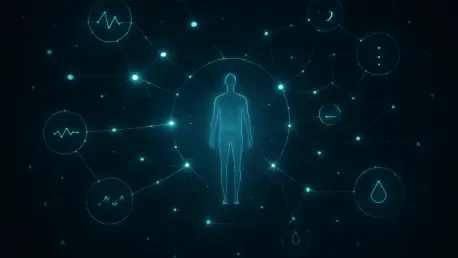

The era of guessing games and fragmented health journals is rapidly drawing to a close, replaced by a symphony of interconnected data points that offer a previously unattainable view of the female body. From fragmented tracking to a unified view, the landscape of women’s health is undergoing a powerful transformation. This analysis explores the rise of integrated health technology, a trend that merges lifestyle data with clinical-grade biometrics to create a truly personalized and proactive approach to female well-being. The integration of these disparate data streams is reshaping personal health management, patient-doctor interactions, and the future of the FemTech industry.
The Convergence of Lifestyle and Clinical Data
The Growth of the Connected Health Ecosystem
The global women’s health market is experiencing exponential growth, driven by the rapid adoption of wearable technology and a rising demand for personalized health insights. This momentum is reflected in market reports, which indicate a significant uptick in funding for FemTech companies focused on data integration and holistic health platforms. Investors are clearly signaling confidence in a future where comprehensive health monitoring becomes the standard.
This market expansion is mirrored by consumer behavior. A growing percentage of women are using wearable devices to track metrics like sleep, activity, and heart rate. However, the trend is now shifting toward connecting this general wellness data with specific clinical markers, such as hormone levels, to gain deeper, more actionable insights into their health cycles. This move from passive tracking to active analysis marks a fundamental change in how women engage with their own health data.
Case Study in Integration The Mira and Oura Partnership
This collaboration exemplifies the trend by syncing Oura Ring’s continuous physiological data—including sleep, readiness scores, and body temperature—with Mira’s quantitative hormone monitoring of LH, E3G, PdG, and FSH. The result is a comprehensive dashboard within the Mira app that layers daily habits over precise hormonal fluctuations, creating a powerful new analytical tool for the user.
In a real-world application, users can now see direct correlations between their lifestyle and their hormonal health. For instance, they can observe how a post-ovulation progesterone surge impacts deep sleep quality or how an estrogen spike affects body temperature, creating a unique “Hormonal Fingerprint.” This integrated data is invaluable for managing fertility, navigating menstrual cycles, and understanding the complex hormonal shifts associated with menopause. This partnership is not an isolated event but reflects a wider industry movement, following similar integrations like Garmin’s collaboration with the Hello Inside platform and signaling a clear move toward building interconnected women’s health ecosystems.
Expert Perspectives on the Data Driven Shift
Empowering Patients and Informing Clinicians
Industry experts and healthcare providers note that this trend empowers women to substantiate their symptoms with objective, longitudinal data. Instead of relying solely on subjective descriptions or incomplete journals, patients can share a comprehensive dataset with their doctors. This shift from anecdote to evidence leads to more informed diagnoses and personalized treatment plans for conditions ranging from infertility to perimenopausal symptoms, fostering a more collaborative patient-provider relationship.
The Future of FemTech Product Development
Thought leaders in the tech industry emphasize that the future of the market lies in interoperability. The goal is to move away from siloed apps and devices toward a seamless network where data from various sources converges to provide a holistic view of a user’s health. This interconnectedness is the foundation for enabling more predictive and preventative care models, transforming FemTech from single-point solutions into comprehensive health management platforms.
The Future Outlook for Integrated Health
Potential for Predictive and Proactive Care
The long-term potential of data integration is the shift from reactive tracking to proactive health management. By applying AI and machine learning to these rich, layered datasets, future platforms could predict hormonal imbalances, identify early signs of conditions like Polycystic Ovary Syndrome (PCOS), or provide personalized recommendations to mitigate symptoms before they become severe.
This evolution promises to deliver a new level of personalization, offering insights and guidance tailored to an individual’s unique biology and lifestyle. Such a data-driven approach could revolutionize how women approach everything from nutrition and exercise to managing chronic conditions, making preventative care a daily reality rather than an annual check-up.
Navigating the Challenges of Privacy and Accessibility
As health data becomes more interconnected, ensuring robust privacy and security protocols is paramount. The industry faces the critical challenge of building and maintaining user trust by being transparent about how sensitive information is stored, shared, and protected against breaches. The success of this trend hinges on consumer confidence in data security.
A key challenge will also be ensuring these advanced technologies are accessible and affordable for all women, not just a select demographic. Addressing the digital divide and cost barriers will be crucial for the trend to have a widespread, equitable impact on public health. Without a concerted effort to improve accessibility, the benefits of integrated health could remain out of reach for many.
Conclusion A New Era of Empowered Health
The integration of wearable data with clinical biometrics, highlighted by collaborations like Mira and Oura, marked a pivotal moment in women’s health. This trend moved the industry from isolated data points toward a cohesive, comprehensive understanding of the female body, changing not only the technology but the very nature of personal health management.
By empowering women with actionable, data-driven insights, this movement transformed the dialogue around women’s health. The continued push for a more integrated and personalized approach promises a future where every woman can become the foremost expert on her own well-being, equipped with the tools to navigate her health with unprecedented clarity and confidence.