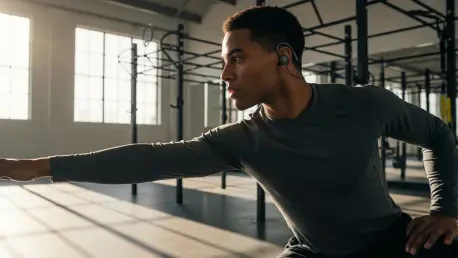

High-performance fitness tracking is no longer just about counting steps; it is about the seamless integration of biometric data into the very accessories we wear during our most grueling training sessions. The announcement of the Nike and Beats collaboration marks a pivotal moment in the evolution of wearable technology, as it signifies the first time a major peripheral features prominent co-branding directly on the hardware. This partnership brings together the acoustic engineering of Apple with the athletic heritage of Nike to create a specialized version of the Powerbeats Pro 2, scheduled for release on March 20 for $249.99. By blending professional-grade biometric sensors with a secure-fit design tailored for high-intensity movement, the device aims to capture a market of athletes who demand more than what standard consumer earbuds can offer. This product launch is not merely a cosmetic update but a strategic move to define the next era of fitness-focused hearables by combining established brand loyalty with cutting-edge health monitoring capabilities.
A New Era of Collaborative Branding
Redefining Design and Marketing Synergy
The visual identity of this special edition departs from traditional Apple minimalism by embracing a bold, dual-branded aesthetic that reflects the intensity of athletic performance. Each unit features a sophisticated matte black finish, but the real distinction lies in the asymmetrical branding, where the Beats logo occupies the left earbud and the iconic Nike Swoosh resides on the right. This choice represents a rare concession in Apple’s design philosophy, acknowledging the cultural weight of the Nike brand within the sports community. The accompanying charging case continues this theme with a “volt-speckled” pattern and the prominent inclusion of the “Just Do It” slogan, reinforcing the product’s identity as a dedicated piece of gym equipment. To ensure the message reaches its target audience, a high-profile marketing campaign featuring NBA legend LeBron James emphasizes the stability and reliability of the secure-fit ear hooks during elite training. This branding strategy leverages shared values of excellence and durability to appeal to a demographic that views their equipment as an extension of their performance.
Strategic Alignment with Global Fitness Initiatives
This release arrives as part of a much larger initiative to position certain technology providers as indispensable partners within the global fitness ecosystem. The collaboration is timed perfectly to follow the recent designation of these tech giants as the official technology partners for major endurance events like the London Marathon. By aligning hardware releases with high-visibility sporting milestones, the companies are creating a narrative that views technology as an essential component of the modern athlete’s toolkit. This strategic alignment suggests a shift away from general-purpose wearables toward specialized tools designed to withstand the rigors of competitive environments. The focus on durability and brand recognition serves to solidify a dominant position in a market where consumers are increasingly looking for gear that matches their athletic aspirations. This approach ensures that the hardware is seen not just as a consumer electronic but as a performance-enhancing necessity for runners and gym enthusiasts alike, further blurring the lines between tech and lifestyle.
Technical Sophistication and Cross-Platform Utility
Integration of Biometric Monitoring Technology
Underneath its rugged exterior, the device is powered by the advanced ## chip, which facilitates a suite of premium features including Active Noise Cancellation and Personalized Spatial Audio. One of the most significant upgrades is the reduction in size, with the chassis being 50% smaller than the previous generation without compromising on performance or battery life. The most notable technological advancement, however, is the inclusion of integrated heart rate monitoring, allowing users to track their physiological data in real-time. This data remains accessible across different operating systems through a dedicated application, ensuring that the biometric features are not restricted to a single ecosystem. By providing high-fidelity sound alongside accurate health tracking, the product bridges the gap between traditional fitness trackers and premium audio devices. This multi-functional approach caters to the modern athlete who values efficiency and data-driven insights to optimize their training regimens, making it a highly versatile tool for diverse workout environments.
Performance Standards and Future Considerations
Looking ahead, the success of such hybrid devices depended on their ability to offer consistent performance across diverse user environments and hardware platforms. The decision to maintain full feature parity for both iOS and Android users represented a calculated move to attract a wider demographic of athletes who may not have been fully invested in a specific smartphone ecosystem. While other high-end earbuds offered superior transparency modes, the secure-fit ear-hook design remained the gold standard for stability during explosive movements or long-distance endurance training. Consumers showed a clear preference for specialized equipment that could handle sweat, movement, and high-impact activities without the risk of displacement. Developers moved toward more integrated biometric solutions that provided actionable health insights directly through the auditory interface. This evolution suggested that the landscape of fitness technology would be defined by the convergence of high-performance materials and intelligent, platform-agnostic software solutions that prioritized the user’s physiological data and comfort.