
The true measure of a fitness tracker’s success lies not just in the data it collects but in its ability to translate that information into sustained, meaningful user motivation. Recognizing this, Zepp Health has introduced a significant update for its Zepp companion app, the software hub for Amazfit smartwatches. The release of version 10.0 signals a clear strategic shift, focusing on a revamped user interface and gamified rewards to deepen user engagement and transform passive data tracking into an interactive wellness journey.
Beyond Raw Data Is Your Fitness App Actually Motivating You
Many fitness applications present users with a dense array of metrics, from sleep cycles to heart rate variability. While this data is valuable, it can often feel static and overwhelming, failing to provide the context or encouragement needed to inspire consistent action. This phenomenon, known as data fatigue, can lead users to abandon their devices once the initial novelty wears off, leaving a gap between information and true behavioral change.
In response, the wearables industry is undergoing a pivotal transformation. The new competitive frontier is not solely defined by sensor accuracy or battery life but by the sophistication of the software ecosystem. Companies are now investing heavily in creating compelling digital experiences that foster community, reward progress, and turn the daily act of checking one’s stats into a genuinely motivating interaction.
The App as the Heartbeat of Your Wearable Experience
A wearable device, such as an Amazfit smartwatch, is only as effective as the application it pairs with. The hardware on the wrist is a powerful data-gathering tool, but the app is the central nervous system that interprets this information, presents it in a digestible format, and provides the user with actionable insights. It is the bridge between raw biometrics and personal wellness goals.
Consequently, the user interface and overall experience of the companion app are critical for long-term retention. A cluttered, unintuitive, or uninspiring app can undermine the capabilities of even the most advanced wearable. The software must serve as a digital coach and a personal dashboard, making the health journey accessible and encouraging, thereby ensuring the hardware remains an essential part of a user’s daily life.
A Look at Zepp Version 10.0 a Two Part Overhaul
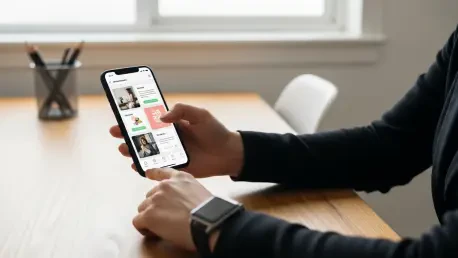
The most immediate change in Zepp version 10.0 is a comprehensive redesign of the home screen’s user interface. Zepp Health has moved away from the previous “Core Metrics” layout to a more modern, modular design that cleanly separates activities, training plans, and health insights. This visual refresh is supported by an updated color scheme, which enhances readability and allows users to differentiate between various data points at a glance.
The headline feature of this update is the introduction of a new “Badges” system, a gamification element designed to boost motivation. Users can now earn digital awards for achieving personal bests, sticking to routines, and completing specific challenges. This system provides a clear path for progression, showing users which badges are yet to be unlocked and creating a continuous loop of goal-setting and achievement that encourages consistent app usage.
A Strategic Play in a Competitive Wearables Market
The rollout of Zepp 10.0 is a calculated move in an increasingly crowded market. With hardware features becoming more standardized across brands, software has emerged as the key differentiator. By focusing on motivation and user experience, Zepp Health aims to build a stronger, more loyal user base that is less likely to switch to a competitor.
This software-first approach aligns with a broader industry trend where companies like Apple, Google, and Samsung leverage their ecosystems to create sticky user experiences. The addition of features like badges and a more intuitive UI helps Amazfit compete more effectively by transforming its app from a simple data repository into an interactive and rewarding platform that adds tangible value to the hardware.
What This Means for Amazfit Users
For current Amazfit smartwatch owners, the version 10.0 update, initially launched for iOS with an Android release expected to follow, represents a significant enhancement to their device’s functionality. The redesigned interface promises a more streamlined and visually appealing way to track health data, making it easier to understand progress and set new targets.
Ultimately, the introduction of the badge system offered a new layer of interaction that fostered a sense of accomplishment and friendly competition. This focus on gamified motivation aimed to keep users engaged with their health goals over the long term. The update successfully reframed the relationship between the user and their data, shifting the experience from passive monitoring to active participation in one’s own wellness journey.