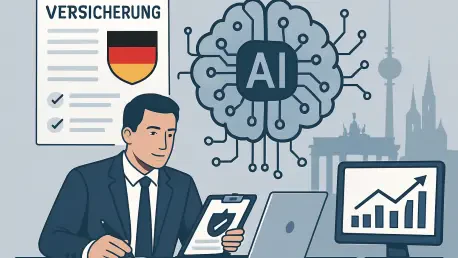

By functioning as a preliminary digital brain, the new platform pre-assembles insurance cases to identify critical information gaps before a human underwriter reviews the file. This development represents a significant technological milestone in the European insurance sector through the adoption of Sixfold’s AI-driven underwriting platform by exxis, the managing general agent of the German insurance broker Ecclesia Group. As the first instance of a German MGA implementing AI underwriting in a live production environment, the partnership targets cyber, property, and accident business lines across multiple carriers. The implementation enables a shift toward a more sophisticated model of risk assessment that addresses the technical heavy lifting of data synthesis. By automating the preliminary stages of file compilation, the system allows human experts to focus on high-level risk evaluation and complex decision-making, ensuring the agency maintains its competitive edge in a rapidly evolving market.
Integrating Intelligence Within Regulatory Frameworks
Navigating Compliance and Data Sovereignty
The integration of AI within the German market required strict adherence to complex regulatory frameworks to ensure long-term operational viability. Key requirements for the deployment included full alignment with the EU AI Act and the Digital Operational Resilience Act, which set the standard for risk management in financial services. Furthermore, the platform achieved SOC 2 Type 2 certification and implemented localized data hosting within Europe to satisfy national sovereignty concerns. Because exxis operates on behalf of various insurers throughout the European Union, the technology needed to support bilingual operations in both German and English while maintaining the distinct risk appetites of each individual carrier. This multi-carrier environment demanded a system capable of mirroring specific decision-making logic, ensuring the AI’s output remained consistent with the binding authority granted by traditional insurers. Such rigorous compliance measures were essential to building trust among all stakeholders.
Bridging Linguistic and Carrier Nuances
Managing diverse insurance portfolios across borders necessitates a system that can operate seamlessly in multiple languages while respecting individual carrier guidelines. The implementation demonstrates the capability of generative technology to function bilingually, which is essential for a business operating within the interconnected markets of the European Union. Unlike generic automation tools, this specialized underwriting brain is configured to mirror the technical criteria of each individual carrier that exxis represents. This level of customization ensures the AI’s preliminary assessments align perfectly with the unique underwriting philosophies of various partners. By synthesizing complex questionnaires and technical documents into coherent risk narratives, the technology allows the MGA to scale its operations without diluting the precision carriers expect. This approach bridges the gap between high-volume data processing and the boutique, specialized nature of commercial insurance, creating a unified workflow.
Optimizing Efficiency Across Key Business Lines
Streamlining Cyber and Property Risk Analysis
Enhancing underwriter efficiency involved addressing the specific administrative burdens found within different insurance business lines. In the cyber insurance sector, the platform successfully streamlined voluminous questionnaires that typically require hours of manual review. For property insurance, the AI automated manual loss ratio calculations and risk narrative drafting, which were traditionally prone to human error and significant delays. These improvements allowed the MGA to process submissions with greater speed and accuracy, reducing the documentation burden associated with accident insurance. The shift toward intelligent consistency ensured every case was pre-qualified based on precise data points rather than subjective interpretations of incomplete files. By mirroring the expert logic of seasoned underwriters, the system maintained high standards across diverse portfolios. This automation allowed the team to handle higher volumes of business without compromising the quality of the risk assessment process.
Establishing Scalable Governance Standards
The successful adoption of AI in the German underwriting sector provided a clear blueprint for navigating the intersection of technology and regulation. Industry leaders prioritized the establishment of clear protocols for the continuous monitoring of decision-making logic to prevent algorithmic bias. Underwriting teams were retrained to focus on the interpretation of AI-generated narratives rather than manual data entry, which significantly improved morale and output quality. Strategic investments in localized data infrastructure and compliance proved to be the foundation for scalable growth across the European Union. Furthermore, firms that embraced bilingual capabilities were better equipped to handle cross-border risks with minimal friction. This transition required a proactive approach to regulatory changes, ensuring technological tools remained flexible enough to adapt to evolving mandates. By focusing on the synthesis of technology and expertise, the sector established a robust framework that modernized the entire insurance value chain.