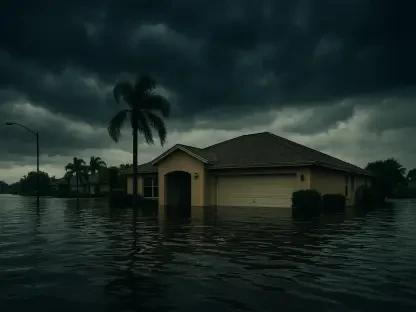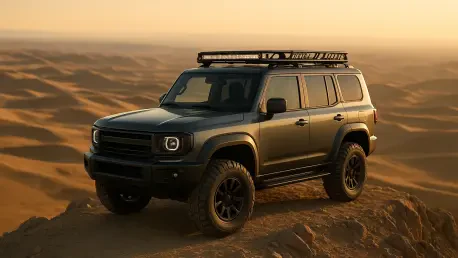

Attempting a water crossing during an extreme flood event can lead to claim denials if the operator is found to be acting outside the policy terms. For many outdoor enthusiasts in 2026, a four-wheel-drive vehicle represents more than basic transportation; it serves as a sophisticated gateway to exploring the most remote corners of the wilderness. However, a significant discrepancy frequently exists between the mechanical prowess of a modern rig and the legal constraints of a standard insurance policy. While a vehicle might be engineered to traverse jagged rock steps and deep river beds, the fine print of a typical comprehensive plan often assumes the car will never leave the suburban grid. This misalignment creates a precarious situation where drivers believe they are protected against all environmental hazards, only to discover that their coverage effectively ends where the asphalt terminates. Bridging this gap requires a shift in how owners evaluate insurance products, moving toward specialized plans that reflect the touring reality.
Navigating the Legality of Off-Road Terrain
Understanding the “Legal Trail” Rule and Public Access
The primary factor in determining insurance validity during off-road excursions is the legal status of the terrain where an incident occurs. Most specialized policies provide coverage as long as the vehicle is operated on “gazetted” roads, which include forestry tracks, national park routes, and desert trails recognized by government authorities. A gazetted road is not necessarily paved or even maintained; it simply needs to be a designated public thoroughfare. However, the distinction becomes critical when a driver deviates from these paths. Venturing into restricted environmental zones or following an unmapped “goat track” can lead to a summary denial of a claim. In 2026, satellite tracking and digital logs often allow insurers to pinpoint exactly where an incident occurred, making it impossible to claim a vehicle was on a legal road when it was actually deep within a forbidden conservation area. Understanding the map is just as vital as understanding the vehicle’s clearance and traction.
Evaluating Risks in Coastal and Water Environments
Beach driving and water crossings introduce unique hazards that frequently fall outside the scope of standard comprehensive coverage. While many generic policies specifically exclude any damage caused by saltwater or sand, specialized 4WD insurance often includes these environments under clearly defined conditions. To remain covered, the driver must adhere to local regulations, which include carrying mandatory recovery gear and maintaining tire pressures suitable for the surface. The risks are substantial; a vehicle bogged below the high-tide mark can be completely submerged within hours, resulting in a total loss. Insurers generally cover these incidents if they are deemed genuine accidents, such as hitting an unexpected soft patch of sand. Conversely, if a driver ignores depth markers or attempts to cross a fast-moving river during a storm, the insurer may argue that the damage was foreseeable. Documentation, such as dashcam footage, has become a standard requirement for verifying that the operator exercised caution.
Protecting Your Investment and Recovery Logistics
Insuring Modifications and Aftermarket Accessories
Most dedicated off-road vehicles are highly modified, featuring aftermarket upgrades that significantly increase the total value of the asset. Components such as heavy-duty bull bars, winches, and upgraded suspension systems are essential for touring but are frequently undervalued by standard insurance agents. A major benefit of a specialized 4WD policy is the ability to list these modifications individually, ensuring they are protected at their actual replacement cost rather than a generic market value. Without this specific coverage, a total loss settlement might only reflect the price of a factory-standard vehicle, leaving the owner with a massive financial shortfall. It is essential for owners to keep receipts and photographic records of all installations to serve as proof of the investment. Furthermore, the specialized labor required to refit these parts is often included in the coverage limits of a premium policy, acknowledging that specialized mechanical work carries higher costs than basic repairs.
Managing the High Costs of Remote Vehicle Recovery
To ensure full protection during remote travels, owners examined their policies for specific off-road clauses and adjusted their coverage levels to include remote recovery. It was found that the most successful claims resulted from drivers who maintained meticulous records and adhered strictly to local track regulations. Many enthusiasts opted for specialized providers who understood the specific risks of desert travel and beach driving, rather than relying on generic urban policies. They also verified that their agreed value reflected the current cost of replacing both the vehicle and its aftermarket accessories. By 2026, the integration of digital mapping and claim assessment tools made it easier for drivers to prove they were operating within the legal trail rules. Ultimately, proactive communication with insurers about intended travel routes and vehicle upgrades provided the necessary security. This careful preparation allowed adventurers to focus on the terrain ahead, knowing their financial interests were secured.