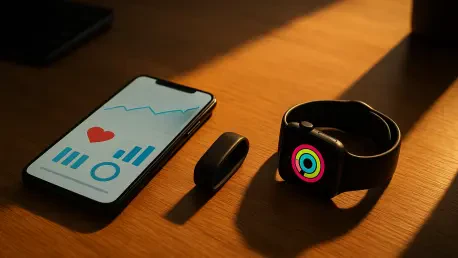

Google claims the Fitbit Air features a 15% improvement in sensor accuracy, yet it lacks the specialized ECG and EDA sensors found in the Charge 6. This strategic divergence represents a fundamental shift in how wearable technology integrates into daily life, moving away from the assumption that every user desires a miniature smartphone strapped to their arm. While the fitness tracking industry has long trended toward increasing complexity and feature density, the current landscape of 2026 reveals a growing appetite for specialized tools that prioritize specific use cases over general versatility. For some individuals, the goal is total immersion in data through a vibrant interface that demands attention and provides instant gratification. For others, the objective is a silent sentinel that monitors vital signs without contributing to the digital fatigue that characterizes modern existence. This tension between active engagement and passive observation defines the choice between these two distinct devices from the Google-owned ecosystem today.
Physical Design and Wearability
Form Factor and Comfort: The Weight of Minimalism
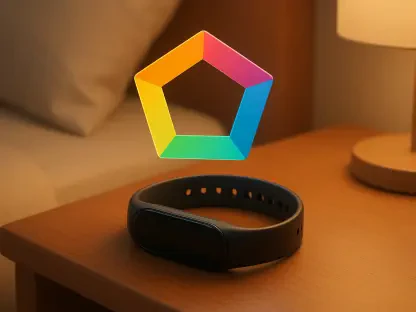
The physical presence of a wearable can significantly influence whether a user remains consistent with their tracking habits over long periods. The Fitbit Air addresses this by stripping away every non-essential element of a traditional fitness band, resulting in a device that weighs a mere 12 grams when paired with its primary strap. This is less than half the weight of the Charge 6, which carries more bulk due to its internal components and screen assembly. Such a reduction in weight changes the fundamental relationship between the wearer and the technology, as the device transitions from a visible accessory to a virtually undetectable part of the body.
Comfort remains a primary barrier to entry for high-quality sleep tracking, an area where the Air aims to excel over its more robust sibling. While the Charge 6 is relatively sleek for a device with a full-color display, its rectangular edges and glass surface can still catch on bedding or feel intrusive when the wrist is tucked under a pillow. The Air, conversely, utilizes a rounded, pebble-like design language that minimizes friction and pressure points, making it an ideal candidate for twenty-four-hour wear. This ergonomic focus ensures that the collection of biometric data continues uninterrupted throughout the night, providing more accurate recovery scores.
Build Quality and Feedback: Premium Metals vs. Recycled Polymers
In terms of construction, the Air utilizes a lightweight “pebble” system made of high-grade recycled plastics that slots into various interchangeable bands. This modular approach allows for a high degree of customization, though it lacks the metallic finish that many consumers associate with high-end electronics. The Charge 6, by contrast, feels more premium with its aluminum casing and a vibrant AMOLED touchscreen that serves as the centerpiece of the design. This difference in materials reflects the intended use case for each tracker, with one designed for utility and the other for a more traditional jewelry-like aesthetic.
While the Air relies on a simple vibration motor and a singular status LED for communication, the Charge 6 offers tactile haptic buttons and a full visual interface that provides immediate feedback to the user. This tactile response is crucial for those who want to feel a physical click when starting a workout or navigating through menus. The Charge 6 creates a much more interactive experience, whereas the Air is content to remain a passive collector of information. For users who appreciate the “thrum” of a high-quality haptic engine, the Charge 6 provides a level of sensory engagement that the Air intentionally avoids.
Screen Functionality and User Interaction
The Screenless Experience: Disconnecting from the Digital Noise
The Fitbit Air represents a radical departure by removing the display entirely, a move that fundamentally alters how users perceive their progress. This means that users cannot check the time, monitor their heart rate mid-workout, or see their step count without opening the companion smartphone app. This design choice is aimed squarely at minimalists who want to disconnect from digital noise and treat their wearable as a silent data-gathering peripheral. By removing the screen, Google has eliminated a major source of distraction, allowing users to focus on their physical environment rather than a glowing wrist-mounted panel.
Operating without a screen requires a shift in mindset, as the tracker becomes a tool for reflection rather than real-time management. Because there is no interface to browse, there is no temptation to fiddle with settings or check notifications while in a social setting or during a focused work session. This “invisible” technology approach appeals to those who are already overwhelmed by the number of screens in their life. However, this absence of a display can be frustrating for anyone who has grown accustomed to the convenience of a quick glance to see if they are nearing their daily movement goals.
On-Wrist Controls and Smart Features: A Hub for Connectivity
The Charge 6 functions as a secondary hub for a digital life, offering features that the Air simply cannot match due to its hardware limitations. With Google Wallet for contactless payments, Google Maps for turn-by-turn navigation, and YouTube Music controls, the Charge 6 allows users to leave their heavy phones in their pockets or gym bags. This level of independence is a cornerstone of the Charge experience, providing a sense of autonomy that is highly valued by urban commuters and active runners alike. The screen acts as a portal to essential services that streamline daily routines.
Furthermore, the Charge 6 displays smartphone notifications, making it the superior choice for those who need to stay connected while on the move. Whether it is an urgent text message or a calendar reminder, the ability to triage information from the wrist saves time and reduces the frequency with which a person must reach for their phone. The Air, having no way to display text or icons, forces the user to rely entirely on their smartphone for all notifications and interactions. This makes the Charge 6 a much more capable “smart” companion, whereas the Air is strictly a health and fitness monitor.
Health Sensors and Technical Capabilities
Monitoring and Accuracy: Core Metrics and Background Tracking
While the Fitbit Air boasts a 15% improvement in basic sensor accuracy, it focuses exclusively on the core metrics that define long-term wellness. The device is optimized for tracking heart rate, blood oxygen saturation (SpO2), and skin temperature variations with a high degree of precision. By specializing in these specific areas, the Air provides a very reliable baseline for users who are interested in tracking their cardiovascular health and recovery trends over weeks and months. It is particularly effective for background AFib detection, as the lack of a screen preserves resources for constant sensor polling.
However, the Air does not provide the same level of granular, on-demand health data as its more expensive sibling. It is designed to be a “set it and forget it” device that delivers a comprehensive report at the end of the day rather than providing a live feed of physiological changes. This makes it excellent for individuals who are managing chronic conditions or simply want to keep an eye on their general well-being without becoming obsessed with momentary fluctuations. The improved accuracy ensures that the data being collected is of the highest quality, even if it is not immediately visible to the user.
Advanced Medical Tools: Diagnostic Scans and Stress Management
The Charge 6 holds a clear advantage for users who are focused on comprehensive heart and stress management. It includes an Electrocardiogram (ECG) sensor for heart rhythm checks and an Electrodermal Activity (EDA) sensor for measuring the body’s response to stress. These specialized tools allow users to take proactive steps in monitoring their health, such as performing a 30-second scan to check for irregularities or conducting a guided mindfulness session. Because the Air lacks these sensors, it cannot offer the same level of diagnostic capability or active intervention.
This gap in hardware means that the Air is better suited for general wellness and recovery tracking rather than active health monitoring and manual diagnostic scans. For someone who has a history of heart concerns or who struggles with high-stress environments, the ability to get immediate data from an ECG or EDA sensor is invaluable. The Charge 6 provides a peace of mind that a basic fitness tracker simply cannot replicate. While the Air is a powerful tool for observation, the Charge 6 is a medical-grade assistant that encourages users to participate in their own health journey through active testing.
Fitness Performance and Outdoor Utility
GPS and Real-Time Metrics: Navigating the Great Outdoors
For outdoor enthusiasts, the Charge 6 is the definitive winner due to its built-in GPS and GLONASS capabilities. This allows runners, cyclists, and hikers to track their pace, distance, and route with high accuracy without the need to carry a bulky smartphone. The freedom of running “untethered” is a significant draw for serious athletes who want to minimize the gear they carry while still receiving precise data about their performance. The Charge 6 provides this autonomy through a dedicated chip that maintains a solid connection even in challenging urban or wooded environments.
The Air, in contrast, relies on “Connected GPS,” meaning it must be wirelessly tethered to a smartphone to record any location-based data. This dependency may be a dealbreaker for those who prefer to exercise light or who find it cumbersome to secure a phone during high-intensity movements. Without the phone, the Air can only estimate distance based on step counts, which is notoriously less accurate for activities like cycling or trail running. For the casual walker, this may not be a major concern, but for anyone looking to beat a personal best, the Charge 6 is the far more reliable tool.
Workout Feedback and Storage: Managing Performance Data
The experience during a workout differs significantly between the two devices, primarily due to how information is relayed to the athlete. On a Charge 6, a user can glance at their wrist to see their current heart rate zone, elapsed time, or calories burned, allowing for on-the-fly adjustments to intensity. The Air provides no such feedback, requiring the user to wait until their session is over and they can sync with their phone to see how they performed. This lack of immediate visibility makes it difficult to maintain a specific training zone or manage pacing during an active event.
Additionally, the Air has limited offline storage for detailed workout data compared to the more robust memory found in the Charge 6. This requires more frequent syncing with the Fitbit app to ensure that no specific exercise metrics are lost or overwritten by new data. For users who travel or who may not always have their phone nearby, the Charge 6 offers a greater buffer, storing days of detailed biometric information. The Charge 6 is designed for the active user who needs a reliable data logger, whereas the Air is built for the casual user who syncs their device as a part of their daily routine.
Power Management and Value
Battery Life and Charging: Efficiency in a Small Package
Interestingly, the lack of a screen on the Fitbit Air does not lead to a significantly longer battery life, as both devices are rated for approximately seven days of use. However, the Air is more consistent in reaching this mark since it does not have a power-hungry display to drain the cell during periods of high interaction. The Charge 6 can see its battery life fluctuate depending on how often the user engages with the screen or utilizes the built-in GPS. For those who want a predictable charging schedule, the Air provides a level of reliability that is hard to find in more complex, screen-equipped wearables.
The Air also features a more user-friendly, faster charging system that provides a full day of power in just five minutes of being plugged in. This is a critical feature for a device intended for constant wear, as it minimizes the time the tracker spent sitting on a nightstand. The Charge 6 also supports fast charging, but the larger battery and higher power requirements mean it takes slightly longer to reach a full capacity. Both devices utilize proprietary magnetic chargers, but the Air’s small form factor makes it slightly easier to pack for travel, fitting into even the smallest pockets of a carry-on bag.
Pricing and Market Position: Choosing the Right Path Forward
With a launch price of $99.99, the Fitbit Air served as a much more affordable entry point into the ecosystem compared to the $159.95 Charge 6. This lower price point positioned the Air as a specialized “side-grade” for those who prioritized sleep tracking and comfort over a full suite of features. The market responded well to this distinction, as it allowed consumers to choose a device based on their specific lifestyle needs rather than just paying for the most expensive option available. The Air successfully carved out a niche for itself among minimalists and budget-conscious health enthusiasts.
Determining the superior device required an honest assessment of individual priorities regarding digital connectivity and biometric depth. For those who sought a comprehensive health station capable of medical-grade scans and independent navigation, the Charge 6 remained the industry benchmark. Conversely, the Air served as a specialized alternative for users who viewed their smartphones as the primary interface for data analysis and desired a distraction-free experience. The path forward involved selecting a tracker that complemented existing daily rhythms rather than forcing a change in user behavior. Those who prioritized long-term wellness over real-time performance metrics found the Air to be a liberating choice that removed the pressure of constant notifications. Meanwhile, active athletes and health-conscious professionals continued to rely on the robust sensor suite of the Charge 6 to manage complex physiological needs and maintain peak physical condition across all environments.