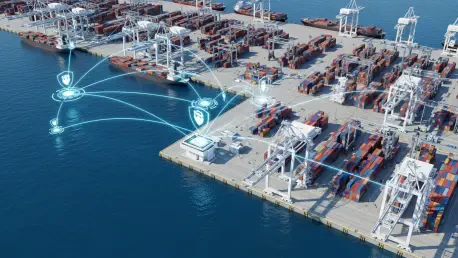

Global shipping is currently experiencing a profound transformation where digital vulnerabilities have become as dangerous as physical storms at sea. The shift toward autonomous vessels and interconnected port logistics has created a broader attack surface for state-sponsored actors and sophisticated cybercriminals. As the maritime sector adopts advanced Industrial Internet of Things sensors and real-time satellite telemetry, insurers are recalibrating their risk assessments to prioritize cyber resilience over traditional hull-and-machinery metrics. Companies that demonstrate a robust defensive posture, including encrypted communication channels and segmented onboard networks, are finding themselves in a stronger position to negotiate premiums. This financial incentive is driving a wave of investment in digital security, effectively turning IT departments into vital risk-management assets for fleet operators. The relationship between security investment and insurance liability is the cornerstone of modern commerce.
The Evolving Landscape of Marine Risk Management
Traditional underwriting relied heavily on historical data regarding ship age and crew experience to determine the probability of loss, but the rise of operational technology attacks has forced a pivot. Underwriters now evaluate whether a vessel’s bridge systems are isolated from the internet-facing administrative networks to prevent cross-contamination during a breach. If a shipping firm utilizes continuous monitoring tools like endpoint detection and response across its fleet, insurers view the likelihood of a catastrophic downtime event as significantly lower. This shift is a response to the massive financial losses incurred by high-profile outages that crippled logistics hubs in recent months. By providing insurers with transparent access to their security audit results, companies can demonstrate a level of predictability that justifies lower deductibles and more favorable policy terms. This trend encourages a culture of constant vigilance rather than a static mindset regarding digital infrastructure safety.
Strategic Implementation: Technical Standards and Training
Achieving significant insurance savings requires a systematic approach to securing both shipboard and shoreside infrastructure through standardized frameworks like the latest IMO guidelines. Advanced encryption for ship-to-shore communication and the deployment of multi-factor authentication for remote access to propulsion systems are now considered baseline requirements for premium discounts. Furthermore, the integration of Artificial Intelligence for anomaly detection allows operators to identify suspicious network traffic before it escalates into a full-blown system failure or data exfiltration event. These technological layers serve as a safety net that protects against human error, such as a crew member accidentally introducing malware via a USB device. By hardening these specific entry points, maritime companies ensure that their operational integrity remains intact even when facing evolving threat vectors from global syndicates. This is essential for seaworthiness.
Future-Proofing: The Shift to Zero Trust
The evolution of the maritime insurance market demonstrated that technical proficiency and risk mitigation were inextricably linked in the quest for lower operational costs. Organizations that successfully lowered their premiums did so by moving beyond basic compliance and embracing a holistic strategy of digital resilience. The industry turned its focus toward the integration of zero-trust architectures to ensure that every internal and external connection was strictly verified. Fleet operators prioritized the recruitment of specialized maritime cybersecurity officers who bridged the gap between engineering and information technology. These professionals implemented real-time incident reporting systems that allowed for the immediate sharing of threat intelligence across the global shipping community. Such collaborative efforts protected individual assets and stabilized the entire supply chain against systemic shocks. Security measures ultimately became the defining factor of maritime profitability.