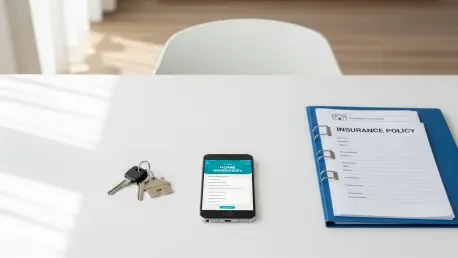

The increasing frequency of high-intensity weather events across the continental United States has forced a fundamental shift in how property owners must approach their annual insurance evaluations to prevent total financial ruin. While many homeowners assume that a policy purchased years ago remains sufficient, the reality of the 2026 real estate market suggests otherwise as labor shortages and material costs continue to fluctuate wildly. It is no longer enough to rely on basic market value estimates when the actual cost to reconstruct a dwelling from the ground up often exceeds the original purchase price. Beyond the physical structure, the surge in home-based businesses and smart home integration has introduced new categories of assets that might not be covered under traditional clauses. Proactive policyholders are now utilizing digital inventory tools to document their belongings and verify that their liability limits align with their current net worth. This meticulous approach ensures that when a disaster strikes, the recovery process is supported by a robust financial safety net rather than a series of unpleasant surprises and denied claims.
1. Evaluating Replacement Costs and Ordinance Coverage
A critical distinction that every homeowner must understand is the difference between actual cash value and replacement cost value within their policy language. Actual cash value only pays out the depreciated worth of the property, which frequently leaves a massive deficit when attempting to buy new materials or hire contractors in the current economic environment. By contrast, a replacement cost policy is designed to cover the expense of rebuilding the home with similar quality materials at today’s prices, regardless of depreciation. In 2026, the cost of specialized labor and eco-friendly building materials has risen significantly, making it essential to ensure that the policy includes an extended replacement cost endorsement. This specific feature provides an extra buffer, often between twenty and fifty percent above the stated policy limit, to account for sudden spikes in construction demand that typically follow a regional disaster. Reviewing these figures annually allows for adjustments that reflect real-time market conditions and localized labor trends.
Modern building codes have evolved rapidly to prioritize energy efficiency and disaster resilience, yet many older policies do not account for the mandatory upgrades required during a reconstruction project. If a home is damaged, local municipalities often require that the entire structure be brought up to current standards, which may include updated electrical systems, seismic retrofitting, or advanced fire suppression technology. Standard homeowners insurance typically excludes these costs unless the policyholder has specifically added an ordinance or law coverage endorsement. Without this protection, the homeowner is forced to pay the difference between the cost of rebuilding the original structure and the cost of meeting new legal requirements out of their own pocket. From 2026 to 2028, these regulatory changes are expected to become even more stringent as cities adapt to climate shifts. Verifying that the policy includes a sufficient percentage for ordinance or law coverage is a vital step in bridging the gap between a basic repair and a legally compliant, modern reconstruction.
2. Managing Specialized Risks and Actionable Recovery
One of the most dangerous misconceptions in the insurance industry is the belief that a standard homeowners policy covers damage resulting from rising water or seismic activity. In reality, flood insurance is almost always a separate policy, typically managed through the National Flood Insurance Program or private carriers that specialize in hydrological risks. As flood zones expand into areas previously considered low-risk, homeowners who once felt secure are now finding themselves vulnerable to flash flooding and storm surges. Similarly, earthquake coverage is frequently omitted from standard forms and requires a specific endorsement or a standalone policy with its own set of rules. In 2026, the integration of high-resolution topographic data has allowed insurers to redefine risk boundaries with surgical precision, leading to changes in premium structures and coverage availability. Securing these additional layers of protection before a catastrophe occurs is the only way to guarantee that the immense financial burden of water or earth movement damage is fully mitigated.
The most effective strategy for disaster readiness involved a comprehensive audit of all physical assets and a consultation with a qualified insurance professional to identify hidden vulnerabilities. Diligent homeowners documented their belongings through high-definition video inventories and stored these digital records in secure cloud-based repositories for immediate access. They also prioritized the inclusion of loss of use coverage, which provided essential funds for temporary housing and living expenses while their primary residence was uninhabitable. By reviewing the specific exclusions related to mold, sewer backups, and service line failures, property owners eliminated the most common causes of claim denials. These proactive measures transformed insurance from a passive monthly expense into a dynamic risk management tool that functioned seamlessly during times of high stress. Ultimately, the transition from uncertainty to financial security was achieved through the careful alignment of policy limits with the actual replacement costs, ensuring that the path to recovery remained clear and fully funded.