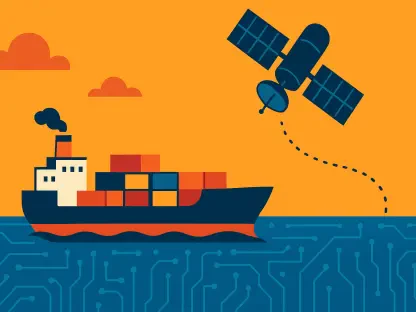

Recognizing the non-linear nature of modern risks is essential for organizations attempting to navigate a landscape where different types of threats have merged. In 2026, a single localized cyberattack on a logistics hub no longer remains a mere digital disruption; it quickly cascades into global supply chain delays, inventory shortages, and subsequent inflationary pressure on consumer goods. This domino effect demonstrates that the boundaries between physical and intangible assets are fading, forcing underwriters to rethink how they calculate exposure. Insurers now face the challenge of pricing policies in an environment where systemic vulnerabilities can trigger simultaneous losses across multiple sectors. As these dependencies grow more complex, the industry must transition from a reactive stance toward a more holistic strategy that accounts for the volatility of an integrated world economy. Traditional models are replaced by integrated approaches that prioritize the deep connections between disparate risks.
Resilience Models: Navigating Digital and Operational Shocks
The evolution of digital infrastructure has created a scenario where technological failures act as catalysts for broad systemic shocks. In the current landscape of 2026, the reliance on a handful of hyperscale cloud providers means that a technical glitch or a coordinated security breach can effectively paralyze the operations of thousands of enterprises across the globe simultaneously. This concentration of risk has led to the development of specialized insurance products that focus on business resilience rather than simple asset replacement. Insurers are increasingly leveraging real-time telemetry and advanced machine learning to monitor the health of digital ecosystems, allowing them to adjust coverage parameters dynamically as new vulnerabilities are discovered. Instead of relying on historical actuarial tables that look backward, companies are adopting proactive risk-sharing agreements. These arrangements incentivize policyholders to maintain high standards of digital hygiene.
Building on this technological foundation, the integration of artificial intelligence has introduced a new layer of complexity to the underwriting process. As generative AI becomes a standard tool for everything from coding to customer service, the potential for algorithmic bias and large-scale intellectual property disputes has skyrocketed. In 2026, the insurance sector is responding by creating hybrid coverage models that bridge the gap between traditional professional liability and modern cyber insurance. These policies are designed to protect firms against the cascading effects of automated decision-making errors, which can result in significant legal and reputational damage. Furthermore, the use of predictive modeling is no longer a luxury but a necessity for firms aiming to maintain profitability. By simulating millions of potential risk scenarios, underwriters can identify hidden correlations between seemingly unrelated events, such as the impact of geopolitical conflict on pricing.
Strategic Planning: Integrating Environmental and Economic Risks
Climate change remains a primary driver of interconnected risk, acting as a force multiplier that amplifies other societal and economic vulnerabilities. In 2026, the industry has moved beyond simply assessing the direct damage caused by hurricanes or wildfires to examining the secondary and tertiary consequences of these events. For instance, a drought in a key agricultural region does not only lead to crop insurance claims; it also triggers migration patterns, stresses local infrastructure, and creates political instability that can impact global trade routes. To address these multifaceted challenges, insurance companies are partnering with climate scientists to develop parametric insurance solutions. These products pay out automatically based on pre-defined triggers, such as rainfall levels or temperature thresholds, providing liquidity to affected parties without long delays. This shift toward faster, more objective payouts is crucial for maintaining economic stability today.
Organizations that successfully navigated these complex dynamics focused on integrating risk management directly into their broader corporate strategy. In 2026, the industry moved away from siloed departments and instead favored multidisciplinary teams that analyzed how environmental, social, and technological factors influenced one another. Leaders who prioritized transparency and invested in robust data analytics platforms were better positioned to anticipate disruptions before they occurred. They implemented dynamic contingency plans that addressed the cascading nature of modern threats, ensuring that a failure in one area did not lead to a total operational collapse. Moving forward, the most effective approach involved fostering a culture of resilience that treated insurance not just as a financial safety net, but as a strategic tool for managing uncertainty. By adopting these holistic practices, businesses developed the agility required to thrive in an increasingly volatile world.