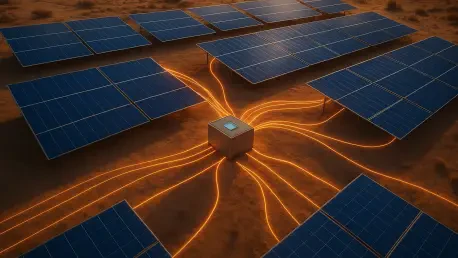

Insurers are increasingly emphasizing automated stow protocols to tilt solar panels at specific angles that minimize the impact energy of destructive hailstones. This technical shift marks a significant departure from the days when solar assets were viewed as static infrastructures with predictable, passive risk profiles. Today, the industry is witnessing a profound transformation where the intersection of hardware telemetry and financial underwriting is creating a more resilient energy landscape. Historically, the solar sector relied on broad actuarial assumptions that often failed to capture the nuances of site-specific conditions or the rapid evolution of module technology. However, as of 2026, the proliferation of Internet of Things sensors and advanced data analytics has allowed for a much more sophisticated understanding of asset performance. Instead of general risk categories, insurance premiums are now beginning to reflect the actual operational health and protective behaviors of a project. This evolution is not merely about lowering costs but about ensuring the long-term viability of renewable energy investments in an era of climatic uncertainty. By integrating real-time operational data into the underwriting process, stakeholders can move beyond reactive claim filing toward a proactive model of risk mitigation that stabilizes the entire solar ecosystem and enhances investor confidence across the globe.
Shifting Paradigms: The Convergence of Finance and Technology
A fundamental change is occurring in how the solar sector manages volatility, specifically through the differing lenses of banking and insurance. While banks are inherently risk-averse and focus on eliminating volatility to ensure steady loan repayment, insurance companies act as professional volatility absorbers. This distinction has birthed sophisticated financial products like production shortfall insurance, which protects developers from the downside of underperformance and allows them to secure more favorable loan terms. As insurance evolves into a tool for project finance optimization, the reliability of the physical asset becomes the central concern for all stakeholders involved in the capital stack. If a solar installation fails to meet its energy production targets due to technical glitches or weather anomalies, the entire financial structure of the project is placed at risk. Consequently, the industry is increasingly focused on the Solar Revenue Put and other hedging mechanisms that use data to bridge the gap between technical performance and financial stability. This alignment ensures that every megawatt-hour projected is backed by a robust layer of financial security, transforming the way developers approach the initial stages of project planning and capital procurement.
The current landscape of 2026 demonstrates that the success of utility-scale solar projects is no longer solely dependent on the cost of hardware but on the ability to guarantee revenue streams. By leveraging high-resolution data from tracking systems and inverters, insurers can now offer customized policies that adjust based on the specific equipment used and the operational history of the site. This granular level of detail allows for more accurate pricing, which in turn helps developers optimize their debt-to-equity ratios. When an insurer can see the real-time performance and health of a fleet of trackers, they are more willing to provide coverage for production gaps that were previously deemed too unpredictable. This synergy between data and finance is effectively lowering the cost of capital for projects that demonstrate superior operational discipline. Furthermore, the integration of these data streams into financial models has enabled a more transparent marketplace where the true value of a solar asset is clearly defined by its resilience and its ability to consistently deliver power to the grid. This transparency is crucial for the continued growth of the sector as it matures and attracts larger volumes of institutional investment.
Managing Perils: The Economic Impact of Hail Mitigation
Hail has emerged as the most significant physical threat to solar infrastructure, serving as a wake-up call for developers who once viewed panels as durable, inert glass installations. While hail incidents account for a small fraction of total insurance claims by frequency, they are responsible for the vast majority of financial losses in the sector due to the sheer scale of the damage. This disparity has forced a rapid maturation in how the industry appreciates and prepares for atmospheric perils. To combat this, there is an increasing emphasis on stow modes, which are operational protocols that tilt panels to specific angles to minimize impact energy during storms. The industry is currently evaluating the economic trade-offs between investing in more resilient hardware, such as thicker tempered glass, and the potential for lower insurance premiums. Underwriters are now looking for proof of proactive management and automated weather-response systems before committing to coverage in hail-prone regions. This requirement has turned data-driven storm tracking into a critical component of site operations, as the difference between a total loss and a minor incident often comes down to just a few minutes of response time.
Beyond the immediate physical damage, the secondary impacts of hail events often ripple through the financial performance of a project for years. The downtime associated with replacing thousands of shattered modules can lead to severe revenue loss and strain the relationship between the project owner and the utility provider. By adopting automated stow protocols, operators are essentially providing a physical guarantee of the asset’s longevity. These systems utilize sophisticated weather algorithms and on-site sensors to predict the severity of incoming storms, allowing the trackers to move into a defensive position well before the first hailstone strikes. This proactive stance is being rewarded by insurers who recognize that a project equipped with such technology represents a significantly lower risk. As the climate continues to present more volatile weather patterns, the ability to demonstrate a rigorous, data-backed defense strategy has become a prerequisite for securing affordable insurance. This shift is driving a new standard in hardware design, where the ability to communicate with weather networks and respond autonomously is just as important as the efficiency of the photovoltaic cells themselves.
Market Volatility: Bridging the Information Gap
A recurring challenge in the solar insurance market is the lack of high-fidelity information, often exacerbated by the presence of capital that lacks specialized knowledge of the sector. This leads to a dangerous mismatch between the long-term lifecycle of a solar project and the annual repricing of insurance policies. When rates are artificially low due to an oversupply of uninformed capital, developers may ignore critical risk mitigation strategies, leading to catastrophic losses that eventually drive capital away from the market. This cycle of volatility prevents project owners from understanding the true contingent liabilities on their balance sheets, making long-term financial planning nearly impossible. Without consistent signaling from the insurance market, there is little incentive for developers to choose superior hardware or more resilient site designs over cheaper, less durable options. To fix this, the industry is pushing for more transparent data sharing to ensure that insurance pricing accurately reflects the long-term durability of the energy infrastructure. By creating a feedback loop between operational reality and financial underwriting, the market can stabilize and provide the predictable costs necessary for large-scale energy transitions.
Effective risk management in 2026 requires a deeper integration of technical data into the early stages of project development. Developers who provide insurers with comprehensive data sets—including historical weather patterns, terrain analysis, and equipment failure rates—are finding it easier to secure coverage even in challenging environments. This data-first approach helps eliminate the information asymmetry that has historically plagued the relationship between energy companies and insurance carriers. When both parties have access to the same high-quality information, they can collaborate on risk-sharing agreements that benefit all stakeholders. For example, some insurers now offer tiered pricing based on the frequency and quality of the data reported by the project operator. This incentivizes continuous monitoring and maintenance, as better data leads to lower premiums and higher project valuations. Moreover, this transparency helps to weed out underperforming equipment and manufacturers, as insurers refuse to cover hardware with a documented history of premature failure or high susceptibility to environmental stress. The resulting “flight to quality” is raising the bar for the entire industry, ensuring that only the most reliable projects receive the financial backing they need to succeed.
Performance Optimization: Solving the Underproduction Crisis
Beyond physical damage from storms, the solar industry is grappling with the fact that many projects produce significantly less energy on average than initially forecast. This erosion of production is rarely caused by a single catastrophic failure but is instead the result of optimistic financial projections, minor technical issues like inverter unavailability, and the natural degradation of components. As many utility-scale projects reach a decade of operation, the availability of long-term data is finally allowing for a correction of these systemic overestimations. The path forward involves a more symbiotic relationship between technology manufacturers, developers, and carriers to ensure operational discipline. By sharing sensor data from trackers, insurers can verify that a project is actually utilizing risk-management behaviors, such as automated stow protocols and regular cleaning schedules. This level of transparency allows for smart capital to reward the most reliable projects, ensuring the long-term bankability and resilience of the renewable energy sector. Addressing underproduction is not just a technical challenge; it is a financial necessity that requires a fundamental shift in how production targets are calculated and insured.
Industry experts identified that the traditional methods of forecasting solar yield were insufficient for the complexities of modern grid integration and climate variability. To rectify these discrepancies, the sector adopted rigorous standards for data collection and reporting that emphasized actual performance over theoretical models. Stakeholders realized that by benchmarking projects against real-world data from the last few years, they could develop more realistic expectations and more effective insurance products. This movement toward data-backed reliability meant that developers began to prioritize the quality of operations and maintenance over initial cost savings. Insurers played a pivotal role in this transition by requiring detailed monitoring logs and performance audits as a condition for policy renewal. These actions ensured that minor technical issues were addressed before they could escalate into major production losses. By the middle of 2026, the solar industry had successfully integrated these practices, resulting in a more stable and predictable energy output. The focus shifted toward actionable insights derived from the field, which allowed for the refinement of asset management strategies and the development of next-generation hardware specifically designed for longevity and resilience. This comprehensive approach solidified the role of solar energy as a cornerstone of the global power infrastructure.