
The global rush to construct massive artificial intelligence infrastructure has launched an unprecedented wave of data center development that is now colliding with a logistical reality many traditional insurance models are simply unprepared to manage. As these high-capacity facilities move toward operational status, a significant gap in coverage is appearing within the transit of their most vital physical components. Traditional cargo insurance, which focuses on the replacement value of hardware, is proving insufficient for an industry where time-to-market is the ultimate currency. This analysis examines the emerging vulnerabilities in the AI supply chain, focusing on how the industry must evolve its risk management to protect the multi-billion dollar projects currently under development.
From Standard Logistics to High-Tech Dependencies: A Historical Shift
In previous cycles of digital expansion, data center construction relied on relatively interchangeable hardware with predictable delivery timelines and modest price tags. However, the current shift toward specialized AI infrastructure has replaced these commoditized parts with long-lead-time assets that are difficult to replace quickly. Equipment like high-end GPUs, custom power transformers, and advanced liquid cooling systems are now the primary components of these modern cathedrals of data. The transition has turned logistics from a routine administrative task into a high-stakes strategic challenge.
The fragility of the current supply chain is not a new phenomenon, but the scale of the AI boom has magnified existing weaknesses. Looking at the trend lines from 2026 to 2028, it is clear that the supply chain has transitioned from a flexible network into a rigid line where any disruption has a cascading effect. Understanding this evolution is critical because it reveals that the industry is no longer just moving containers; it is moving the critical path of a global technological shift. Past surges in demand have shown that when specialized hardware is lost, the wait for a replacement can halt a project for years.
Analyzing the Disparity: Asset Value vs. Consequential Loss
The Hidden Cost: Delay in Start-Up (DSU)
Traditional insurance frameworks often fail because they prioritize the physical cost of a component over the revenue its absence prevents. For an AI data center developer, the invoice price of a damaged transformer is often negligible when compared to the massive losses incurred during a replacement period that can stretch into several quarters. This gap creates a catastrophic risk for projects that rely on strict operational deadlines to begin generating revenue. Since a vast majority of the data center capacity currently under construction in the United States is already pre-leased, any shipping mishap triggers more than just a repair bill. Failure to meet ready-for-service dates leads to liquidated damages and the loss of high-value service contracts that conventional cargo policies do not account for.
Supply Chain Concentration: The Target Risk
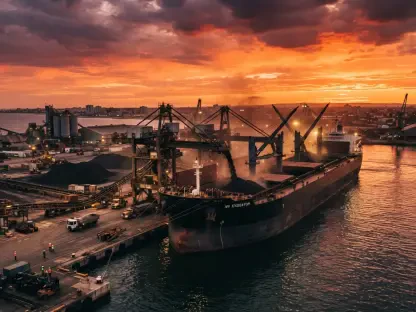
To combat the ongoing unpredictability of global logistics, many firms have adopted a strategy of bulk ordering and advance procurement. While this approach ensures that hardware is secured, it inadvertently creates a massive concentration of value in single transit events. Placing hundreds of millions of dollars in specialized components on one vessel or within a single warehouse turns that location into a high-exposure target for insurers and developers alike. When a single maritime disaster or storage facility fire can result in a loss that exceeds the limits of standard insurance policies, the traditional approach to cargo coverage becomes a liability. This concentration requires a sophisticated coordination between marine and property insurance teams that many developers are currently overlooking.
Regional Bottlenecks: The Import Dependency Reality
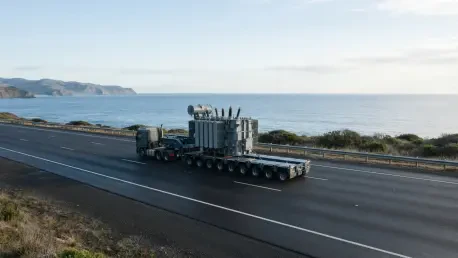
A common misconception among domestic developers is the idea that local production can insulate them from international shipping risks. In reality, the U.S. remains heavily reliant on global markets, with roughly 80% of power transformers being imported from overseas. This dependency forces developers to navigate complex international trade rules, or Incoterms, which dictate exactly when the legal risk of loss shifts from the manufacturer to the buyer. Many organizations realize too late that their manufacturer-provided insurance ends at the port of origin, leaving them without protection during the most dangerous segments of the journey. This lack of visibility into regional geopolitical shifts and maritime bottlenecks creates a persistent blind spot for AI projects.
Emerging Trends: Risk Mitigation and Alternative Financing
As the limitations of the current market become more evident, the insurance industry is responding with integrated, multi-disciplinary strategies. Brokers are increasingly moving away from the practice of market-hopping for the lowest possible premiums. Instead, they are prioritizing long-term stability with insurers who demonstrate a deep understanding of the long replacement cycles and technical complexities unique to the AI sector. Technological innovations are also playing a greater role in risk assessment, with real-time supply chain tracking and IoT-enabled cargo monitoring becoming baseline requirements for securing high-limit coverage. Furthermore, the rise of alternative risk financing, such as captive insurance companies, allows developers to use institutional capital to provide buffer layers for their most valuable projects.
Actionable Strategies: Next Steps for Risk Managers
To successfully navigate these transit vulnerabilities, developers must move beyond a simple checklist approach to risk management. It is essential to integrate Delay in Start-Up coverage directly into the cargo policy framework to ensure that financial fallout is covered alongside physical damage. Furthermore, insurance discussions should occur much earlier in the project lifecycle, ideally during the initial procurement phase, to align coverage with the specific terms of the purchase agreements. Conducting a regular limit adequacy review is another vital step, as it ensures that bulk shipments do not inadvertently exceed the maximum payout of an existing policy. By aligning insurance terms with specific contractual obligations, developers can transform insurance from a passive expense into a strategic asset.
Securing the AI Revolution: Final Implications
The analysis demonstrated that the building boom in AI infrastructure rested on a logistical foundation that was more fragile than many stakeholders originally assumed. It was clear that the blind spot in cargo insurance represented a fundamental misunderstanding of the relationship between high-tech equipment and the value of time. As the scale of data center projects increased, the margin for error became significantly smaller, necessitating a total shift in how transit risks were assessed and mitigated. Ultimately, the industry recognized that insuring the timeline was just as important as insuring the physical asset. By addressing the disconnect between value and consequential loss, developers were able to safeguard the physical infrastructure necessary for the AI revolution, ensuring that the global push for computing power remained on solid ground.