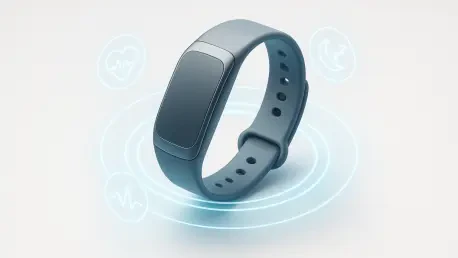

The release of the Fitbit Air represents the first major hardware update from the Fitbit brand since it was acquired by Google several years ago. For over a decade, the wearable technology industry has relentlessly pushed the idea that more features and larger displays are inherently better, leading to the rise of smartwatches that essentially act as secondary smartphones strapped to the wrist. However, this new device challenges that long-standing trend by offering a minimalist, screenless experience focused entirely on silent data collection and physical comfort. Priced at a competitive ninety-nine dollars, the hardware marks a strategic shift away from the “digital noise” of constant notifications and toward a more passive, background approach to wellness monitoring. By removing the display entirely, Google is addressing a growing sense of screen fatigue among consumers who want to keep a close eye on their health metrics without the persistent distractions of an interactive interface. This bold design choice signals a return to the core philosophy that originally made the brand a household name, emphasizing that the most effective health tool is often the one that stays out of the way.
Minimalist Design and Core Specifications
The physical architecture of the Fitbit Air is defined by its intentional lack of traditional interactive elements, resulting in a device that is roughly twenty percent lighter than its predecessors, such as the Fitbit Luxe. Weighing only twelve grams, the central sensor unit is almost imperceptible when worn, which encourages consistent, long-term use across both day and night cycles. Because there is no power-hungry OLED or LCD display to illuminate, the device achieves a remarkable seven-day battery life on a single charge, effectively addressing one of the primary pain points associated with contemporary smartwatches. This longevity ensures that users are far less likely to miss critical data points due to frequent charging requirements or battery anxiety. The versatile design allows the core tracking “pebble” to be integrated into various form factors, from rugged woven bands designed for high-intensity athletics to sophisticated leather or metal straps that blend seamlessly with professional attire. This adaptability ensures the device remains relevant regardless of the user’s daily environment or aesthetic preferences, making it a truly versatile health companion.
Despite the compact and lightweight nature of the hardware, the internal engineering does not sacrifice sensor sophistication or the precision of biometric data collection. The device is equipped with a high-performance sensor suite capable of monitoring continuous heart rate, blood oxygen saturation levels, sleep architecture, and skin temperature variations. It also includes advanced algorithms for automatic workout detection, ensuring that physical activities are logged without requiring manual input or screen interactions from the user. By dedicating the internal volume entirely to health-monitoring hardware rather than display components, the manufacturer has managed to pack professional-grade biometrics into a tiny, unobtrusive chassis. This focus on internal efficiency allows the tracker to operate as a high-fidelity diagnostic tool that remains hidden from view while still providing a comprehensive overview of physiological trends. The result is a device that provides deep insights into recovery and wellness while maintaining a profile that does not interfere with clothing or physical movement, making it an ideal choice for individuals who prioritize data accuracy over a flashy visual interface.
Software Ecosystem and Gemini AI Integration
Since the hardware lacks a physical screen, the entire user experience has been migrated to the centralized Google Health mobile application, which now serves as the primary dashboard for all biometric insights. This software-centric approach mimics the comprehensive nature of integrated health platforms by combining wearable data with other vital information, such as nutrition logs and potential electronic medical records. The transition to a smartphone-only interface reflects a broader industry trend where the primary interface is no longer a tiny screen on the wrist but an intelligent, high-resolution analysis found on a mobile device. This allows for a much more detailed and nuanced presentation of health trends than could ever be achieved on a small wearable display, providing users with the space to explore their data without being rushed by a tiny UI. Users can dive deep into long-term correlations between their activity levels, sleep quality, and recovery metrics, gaining a holistic view of their overall well-being. The app serves as the essential bridge between the raw data collected by the “invisible” hardware and the actionable insights required for meaningful lifestyle adjustments.
A cornerstone of this digital ecosystem is the deep integration of Gemini-powered artificial intelligence, which is accessible through a premium subscription model. For a monthly fee of ten dollars, the system provides personalized coaching and predictive analysis based on the specific health patterns identified by the tracker over weeks and months. This strategic shift transforms the device from a simple data collection tool into a sophisticated diagnostic platform that offers the type of feedback previously delivered through an on-device screen. The AI can identify subtle shifts in heart rate variability or sleep quality that might indicate the onset of illness or overtraining, offering proactive suggestions to the user via their smartphone. This strategy leverages extensive expertise in machine learning to add value to the hardware, creating a service-oriented product where the software is the true star of the show. It positions the tracker as an entry point into a broader wellness ecosystem that grows more intelligent and personalized the longer it is worn, effectively replacing the need for a physical screen with highly sophisticated and context-aware digital intelligence.
Market Positioning and Competitive Strategy
The Fitbit Air enters a marketplace where the “screenless” philosophy is gaining traction, yet it distinguishes itself by targeting a much wider demographic than performance-heavy competitors like the Whoop 5.0. While some high-end trackers utilize a strictly subscription-based model that can be prohibitively expensive for casual users, this device offers a more traditional purchase path with a lower upfront cost. This pricing strategy makes it an attractive option for a “middle ground” of consumers who desire high-quality physiological data but do not require the hyper-specialized, elite-level coaching intended for professional athletes. By removing the financial and technical barriers to entry, the device democratizes access to advanced health metrics like heart rate variability and SpO2. This allows a broader segment of the population to engage with their health data without feeling overwhelmed by complex subscription tiers or intimidating data visualizations that are often catered toward the top tier of fitness enthusiasts. It bridges the gap between basic pedometers and high-end athletic performance monitors, offering a balanced solution for the everyday user.
Furthermore, the physical dimensions of the device give it a distinct advantage in the competitive landscape of “disappearing” wearables. It is significantly thinner and less bulky than most smartwatches, which appeals to a segment of the market that finds traditional wrist-worn technology to be cumbersome or aesthetically unappealing. This design fills a specific void that major competitors have largely overlooked in favor of larger, more feature-rich devices that often feel like heavy jewelry. For individuals who already wear traditional mechanical watches or decorative bracelets, the tracker serves as a complementary tool that can be worn on the opposite wrist or even clipped to clothing without causing visual or physical clutter. This versatility positions the product not just as a piece of technology, but as a lifestyle accessory that adapts to the user’s existing habits and personal style. It successfully challenges the notion that a fitness tracker must be a prominent piece of equipment, proving that high-level health monitoring can be achieved through a device that is both technologically advanced and physically discreet.
The Evolution of Invisible Wearable Technology
The arrival of this minimalist tracker signals a growing shift toward “invisible” technology that integrates seamlessly into daily life without requiring constant manual interaction. There is an expanding community of users who are experiencing fatigue from the constant barrage of notifications and the social pressure to be perpetually connected to the digital world. These individuals still want to maintain an active lifestyle and track their progress, but they want to do so on their own terms, away from the distractions of a glowing wrist display that demands attention every few minutes. By eliminating the screen, the design team managed to improve battery life and reduce costs while simultaneously enhancing the aesthetic appeal of the device. This shift suggests that the next phase of wearable evolution may not focus on adding more features, but on refining how those features are delivered to the user. The emphasis moved toward a more harmonious relationship between the person and their data, where the technology exists to support health goals rather than to compete for the user’s limited time and focus.
Ultimately, the introduction of the Fitbit Air clarified the brand’s long-term trajectory and demonstrated how hardware simplicity could be effectively paired with advanced data infrastructure. The strategy focused on providing a streamlined entry point into a digital health ecosystem where the most valuable insights were generated by backend intelligence rather than frontend displays. By prioritizing a “less is more” approach, the device successfully appealed to a diverse audience that valued both privacy and aesthetic discretion. This development paved the way for future innovations in the field of ambient health monitoring, where devices became increasingly integrated into the background of the physical world. Those who adopted this screenless model found that they could maintain a high level of health awareness without the typical distractions of a smartwatch interface. Moving forward, the industry learned that the most effective wellness tools were often the ones that remained hidden, allowing the data to drive personal improvement while the user remained fully present in their daily experiences. Owners of the device were encouraged to check their mobile dashboards once or twice a day, turning health tracking into a mindful reflection rather than a constant interruption.