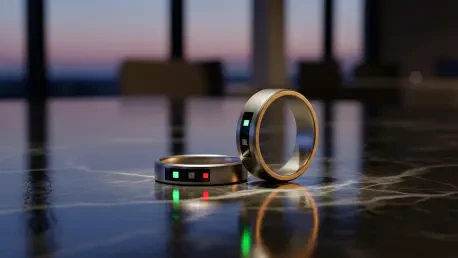

The transition toward invisible health monitoring has accelerated significantly as biometric sensors move from the wrist to the finger, offering a more seamless integration into daily life without sacrificing data integrity. Oura Health remains at the forefront of this movement, maintaining its status as a market leader by iterating on its research-backed hardware. The progression from the Oura Ring 4 to the newly unveiled Oura Ring 5 represents a shift from foundational tracking to a more refined, inclusive, and aesthetically focused ecosystem.
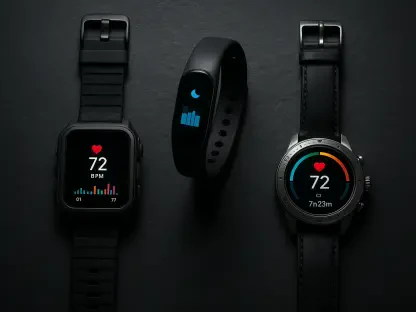
This evolution encompasses not only the core ring hardware but also broader third-party integrations, such as the ability to connect with the Apple AirPods Pro 3 for enhanced fitness data. These devices serve as discreet alternatives to bulky smartwatches, designed specifically to monitor heart rate, sleep quality, and activity levels through a form factor that mimics traditional jewelry. The jump to the fifth generation specifically targets common pain points, addressing the need for improved comfort and more sophisticated software-driven insights for a diverse global audience.
The Evolution of the Oura Health Ecosystem
The Oura Ring 4 established the brand as a pioneer in the smart ring category by proving that clinical-grade sensors could exist within a small titanium band. However, as the wearable market matured, the demand for a more “invisible” device grew. The Oura Ring 5 addresses this by prioritizing miniaturization and aesthetic refinement, moving away from the slightly industrial feel of the previous model. This transition reflects a broader industry trend where the technology is expected to disappear into the user’s personal style while providing even deeper physiological transparency.
Contextualizing these changes requires looking at the ring’s role as a 24/7 companion. Unlike wrist-based trackers that can be cumbersome during sleep or formal events, the Oura ecosystem is built for constant wear. By refining the hardware in the fifth generation, the company has sought to improve inclusivity in biometric sensing, ensuring that the device remains accurate across various skin tones and finger shapes. This focus on precision ensures that the Oura Ring 5 remains a tool for health management rather than just a digital accessory.
Critical Hardware and Software Enhancements
Physical Miniaturization and Structural Engineering
The most immediate difference between the two generations lies in their physical dimensions and overall volume. The Oura Ring 5 features a radical 40% reduction in its internal architecture compared to the Oura Ring 4, a feat achieved by re-engineering the battery and circuit board. While the Ring 4 measured a somewhat noticeable 7.90mm in width and 2.88mm in thickness, the Ring 5 has been slimmed down to just 6.09mm in width and 2.28mm in thickness, resulting in a much more comfortable fit for daily wear.
Weight is another area where the hardware has seen significant improvement, with the Ring 5 weighing between 2 to 2.6 grams depending on the specific size. To protect this more delicate frame, a physical vapor deposition (PVD) coating was added to enhance scratch resistance, ensuring the device retains its premium appearance over time. This engineering effort allows the ring to feel more like a standard piece of jewelry than a piece of technology, effectively removing the physical barrier that often discourages long-term wearable use.
Sensor Precision and Biometric Accuracy
Accuracy has been bolstered by a significant upgrade to the internal sensor suite. The Oura Ring 5 now utilizes 12 signal pathways to capture data, a substantial increase designed to mitigate the signal loss that can occur with movement or different skin pigmentations. In comparison, the Oura Ring 4 relied on a more traditional sensor arrangement that occasionally struggled with consistency during high-intensity movement or when the ring shifted slightly on the finger.
Despite the reduction in device volume, the technical specifications remain robust. The Ring 5 maintains the 100-meter waterproof rating of its predecessor and manages to sustain a consistent seven-day battery life. This is particularly impressive given that smaller batteries typically lead to shorter intervals between charges. The refined sensors ensure that heart rate, sleep cycles, and daily activity tracking are more reliable, providing users with a higher level of confidence in their personal health metrics.
Advanced Health Insights and Software Integration
Software capabilities have expanded significantly to include specialized features such as “Menopause Insights” and dedicated support for “Hormonal Birth Control” tracking. These tools allow users to see how physiological shifts affect mood, sleep, and cognitive function, providing a level of detail that was previously unavailable on the Oura Ring 4. Additionally, the new “Lab Uploads” feature permits the integration of clinical blood work, creating a holistic bridge between daily biometrics and long-term medical data.
The fitness experience has also transitioned toward a live model. Users can now view real-time metrics for running or cycling and can even supplement the ring’s data by connecting external monitors like the Apple AirPods Pro 3. The improved sensor array also allows for better detection of low-intensity activities such as yoga or Pilates. This makes the Oura Ring 5 a more comprehensive activity tracker than the previous model, which often required manual input for workouts that did not involve significant wrist or finger movement.
Implementation Challenges and Consumer Considerations
The transition to the latest generation is not without its hurdles, particularly regarding the mandatory subscription model. Users of both the Oura Ring 4 and Ring 5 must pay a monthly fee to access the full suite of health data, a requirement that continues to be a point of debate in the wearable community. For some, the cost of the hardware combined with a recurring subscription feels like a significant financial commitment, especially as competitors enter the market with one-time purchase models.
Pricing also reflects the premium nature of the new hardware, with the Oura Ring 5 starting at $399 for base finishes and climbing higher for gold or rose gold options. This price point represents an increase over previous market expectations for smart rings. Balancing the radical miniaturization with the necessity for high-performance battery life and sensor reliability remains a technical challenge that the company must prove it has mastered over the long term, as smaller components are often more susceptible to wear and tear.
Comparative Summary and Purchasing Recommendations
The Oura Ring 5 distinguished itself from its predecessor through superior portability and a more sophisticated approach to women’s health. While the Oura Ring 4 remained a competent tracker, the 40% size reduction and the addition of 12 sensor pathways made the fifth generation a much more attractive option for those seeking a truly discreet wearable. The specialized software updates, particularly the “Lab Uploads” and menopause tracking, offered a level of clinical utility that justified the premium $399 starting price for health-conscious consumers.
Owners of the Oura Ring 4 found that the upgrade decision rested primarily on their desire for a slimmer profile and more consistent data across diverse activities. New buyers were encouraged to select the refined Oura Ring 5 over legacy hardware to take advantage of the improved sensor accuracy and the growing list of third-party integrations. Ultimately, the market responded positively to the blend of aesthetic elegance and deep physiological insights, as the fifth generation solidified its place as a comprehensive health management tool.