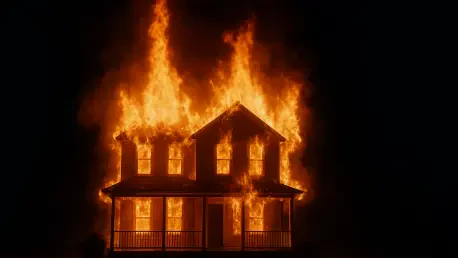

The group’s methodology involved a repetitive pattern of renting homes and immediately inflating property insurance coverage to maximize the returns from intentional fires. This calculated scheme represents a disturbing trend where criminal syndicates exploit the very safety nets designed to protect vulnerable citizens. In the heart of Northern Louisiana, federal authorities recently dismantled a multi-year operation that transformed residential neighborhoods into high-stakes profit centers for a network of conspirators. By blending traditional arson with sophisticated financial maneuvers, the defendants managed to circumvent standard industry checks for an extended period. This case serves as a stark reminder of the evolving complexity within white-collar crime, where the physical destruction of property is merely a prerequisite for deep-rooted systemic fraud. As law enforcement agencies increasingly encounter such integrated criminal strategies, the need for enhanced coordination and proactive surveillance has never been more evident or urgent for community safety.
Criminal Enterprise: The Scope of Federal Legal Proceedings
Central to the federal indictment is forty-one-year-old Lashaundalyn Whitlock Brown, identified by investigators as the primary architect behind this extensive operation. Alongside six other defendants, including various family members and close associates like LaQuadra and Romenique Whitlock, Brown faces a comprehensive array of charges that extend far beyond simple property damage. The legal framework surrounding this case includes counts of wire fraud, conspiracy, and money laundering, alongside specific violations related to the illegal structuring of financial transactions. These financial charges highlight a secondary layer of the crime, as the group attempted to move and conceal hundreds of thousands of dollars in illicit insurance payouts. Currently, the primary leader remains in custody at the Ouachita Correctional Center, reflecting the gravity of her alleged actions and a significant prior criminal history that informed the court’s decision regarding her detention status.
The geographical focus of the operation centered on the Monroe and West Monroe areas, where the group allegedly orchestrated thirteen distinct house fires over the course of several years. This series of events was not merely a collection of isolated incidents but rather a sustained campaign of destruction that targeted the residential rental market. By deliberately choosing rental properties, the conspirators avoided the long-term financial burden of property ownership while still positioning themselves to benefit from the insurance policies attached to the dwellings. Each fire required meticulous planning, from the initial lease signing to the strategic placement of accelerants to ensure total property loss. This repetitive cycle allowed the group to generate a steady stream of income at the expense of property owners and insurance providers alike. The sheer volume of these incidents eventually created a data trail that provided the foundation for a massive multi-agency investigation.
Fabrication Tactics: Strategies for Exploiting Relief Aid
A closer examination of the group’s tactics reveals a brazen reliance on total fabrication to inflate their insurance payouts. Once a fire was successfully ignited and the property destroyed, the defendants submitted exhaustive lists of personal belongings they claimed were lost in the inferno. Investigations subsequently proved that many of these high-value items never existed or were never present in the rental units. Furthermore, the scheme extended into the realm of administrative fraud, as the participants routinely requested reimbursements for extended hotel stays and displacement costs that were entirely unnecessary or artificially prolonged. By maximizing every possible avenue of the insurance contract, from personal property coverage to loss of use clauses, the conspirators turned each disaster into a lucrative financial event. This layer of deception significantly increased the complexity of the claims, forcing insurance adjusters to navigate a maze of forged documents designed to facilitate the theft.
Perhaps the most egregious aspect of this operation was the systematic targeting of national humanitarian organizations and disaster relief funds. The group did not limit their predation to private insurance companies; they also applied for and received substantial financial aid from charities intended to support genuine victims of natural disasters and accidental house fires. This audacious move effectively redirected limited resources away from families in desperate need of emergency assistance during their most vulnerable moments. Prosecutors noted that this element of the crime added a particularly predatory dimension to the conspiracy, as it exploited the good faith of the American public and the charitable sector. By masquerading as displaced victims of circumstance, the defendants were able to collect additional layers of cash that were completely untaxed and difficult to trace. This exploitation of humanitarian goodwill underscores a total lack of regard for the social contract, prioritizing greed.
Pattern Recognition: Investigating Schemes through Advanced Analytics
The eventual collapse of this multi-year scheme was triggered by a series of seemingly minor administrative errors that revealed a much larger pattern of deception. Investigative teams noticed that the wording and specific typographical mistakes within the filed insurance claims were strikingly similar, suggesting that the “victims” were utilizing a standardized template for their fraudulent reports. This “copy-paste” approach to crime, while efficient for the perpetrators, became their primary vulnerability when scrutinized by experienced fraud adjusters. By cross-referencing claims that appeared to be unrelated on the surface, authorities began to see the invisible threads connecting the different defendants and properties. This discovery prompted a deeper dive into the group’s financial history and rental records, revealing a level of coordination that far exceeded typical insurance fraud. The realization that these were not random accidents transformed the investigation into a high-priority federal case.
The integration of sophisticated technology played a pivotal role in validating the suspicions of human investigators through the use of “Anti-Fraud One.” This AI-powered tool allows Louisiana state officials to analyze massive datasets, identifying statistical anomalies and behavioral patterns that remain invisible to the naked eye. By deploying machine learning algorithms, the software was able to link the Monroe house fires with specific financial transactions and insurance applications across multiple jurisdictions. This technological intervention significantly accelerated the investigative timeline, providing the high-level evidence necessary to secure federal indictments against all seven individuals. The successful application of artificial intelligence in this context serves as a blueprint for modern law enforcement, demonstrating how big data can be harnessed to dismantle organized criminal rings. As these tools continue to evolve through 2026, they create an increasingly hostile environment for fraudsters.
Economic Toll: Societal Impacts and Strategic Responses
Beyond the immediate legal consequences for the defendants, the case highlights the staggering economic toll that insurance fraud imposes on the average citizen. Industry experts estimate that such fraudulent activities cost the American public over $300 billion annually, a burden that manifests as higher premiums for every household. For a typical family, these criminal schemes translate to an estimated increase of seven hundred dollars in yearly insurance costs, effectively taxing honest policyholders to cover the losses generated by bad actors. Furthermore, the physical danger inherent in arson cannot be overstated. Every intentional fire set by the Brown group placed neighbors, local residents, and first responders at extreme risk of injury or death. The U.S. Attorney emphasized that the pursuit of criminal profit through fire is inherently violent, as it creates unpredictable environments that threaten the lives of firefighters and police officers, necessitating a more aggressive approach to community safety.
In the wake of this indictment, the legal community and insurance industry recognized the urgent need for a shift toward predictive analytics and enhanced cross-sector data sharing. The successful prosecution established that traditional investigative methods must be augmented by real-time monitoring of rental markets and insurance application trends to prevent such clusters of activity from taking root. Moving forward, authorities recommended that property owners implement more rigorous background checks for high-frequency renters and that insurance carriers adopt standardized digital footprints to detect redundant claims instantly. This case effectively demonstrated that the “siloed” approach to data management was a significant weakness that sophisticated criminals were eager to exploit. By prioritizing the deployment of integrated fraud detection platforms, the industry moved toward a more proactive stance that prioritized prevention over late-stage reaction, ensuring that humanitarian resources remained available.