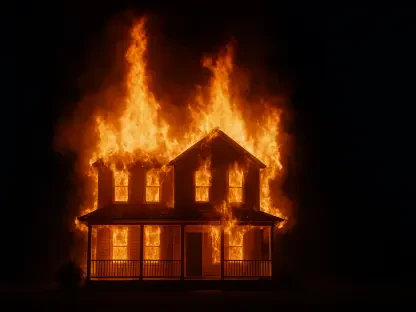

Underwriters are shifting the landscape for community clubs by demanding more stringent proof of preventative maintenance during the insurance renewal and claims process. This shift follows the March 8 fire at the Glen Waverley Returned and Services League (RSL), an incident that now serves as a critical reference point for risk managers in the hospitality sector. While emergency responders from Fire Rescue Victoria and the Country Fire Authority contained the blaze to the kitchen area, the resulting smoke and structural damage forced an indefinite cessation of operations. The timing was sensitive, as it followed another fire at a similar venue within the same week, prompting regional scrutiny of community hub safety protocols. Currently, the site remains restricted while structural engineers and electrical inspectors conduct assessments of the facility’s core infrastructure. This incident highlights that the vulnerability of hospitality venues is often concentrated in high-heat zones like kitchens, where a minor equipment failure can trigger a massive operational halt.
The Financial and Community Impact: A Broad Perspective
The closure of a major community anchor like the Glen Waverley RSL creates an economic ripple effect that extends far beyond the immediate loss of gaming and dining revenue. In the Australian community club model, daily turnover from gaming machines and food and beverage services provides the essential cash flow required to maintain extensive facilities and social programs. When these revenue streams are abruptly severed, the financial pressure is felt immediately by staff members, specialized contractors, and various supply chain partners. Furthermore, these clubs often function as economic anchors for their local precincts, drawing foot traffic that benefits surrounding retail and service businesses. The absence of the RSL’s daily visitors translates into a measurable decline in local commercial activity, demonstrating how a single-site emergency can destabilize a micro-economy. Operators must now view fire safety not just as a matter of property protection but as a fundamental component of broader economic resilience and precinct stability.
Beyond the financial metrics, the suspension of services at an RSL branch creates a significant social void for the veteran community and local residents. These facilities provide vital infrastructure for commemorative events, advocacy services, and social safety nets that are difficult to replicate in temporary settings. The loss of access to meeting rooms and specialized support facilities can disrupt the continuity of veteran care, highlighting the need for more robust contingency planning within the sector. Hospitality leaders are increasingly recognizing that disaster recovery must include strategies for the rapid relocation of community services and the retention of a specialized workforce during long-term closures. Ensuring that staff can be redeployed or supported through a prolonged shutdown is crucial for maintaining organizational culture and community trust. The Glen Waverley incident serves as a stark reminder that the true value of a community club lies in its accessibility and the consistent delivery of its social mission, both of which are threatened by inadequate risk management.
Insurance Market Shifts: The Rise of Rigorous Underwriting
The clustering of multiple fire incidents within a single week has prompted insurance underwriters to reconsider the risk profile of high-volume community venues. While standard property insurance typically covers the direct physical damage caused by flames and smoke, the complexity of Business Interruption claims has become a major point of contention. Underwriters are now demanding more granular evidence of preventative maintenance as a prerequisite for both policy renewal and claim settlement. Documentation such as certified duct cleaning logs, kitchen exhaust maintenance records, and fryer suppression system service tags are no longer viewed as secondary administrative tasks. Instead, they have become essential financial safeguards that determine the speed and success of an insurance payout. This trend indicates a transition toward a more data-driven underwriting environment where venues must proactively demonstrate their adherence to rigorous safety standards. Without a verifiable audit trail, clubs face the prospect of higher premiums, larger deductibles, and more protracted legal disputes during recovery.
For investors and club boards, the current environment necessitates a ready-to-claim posture that prioritizes long-term financial health over short-term savings. The Glen Waverley fire demonstrates that a standard 12-month Business Interruption limit may no longer be sufficient in an era characterized by specialized equipment lead times and construction labor shortages. Investors must look past top-line revenue growth to scrutinize the fire-safety health and maintenance history of their property portfolios. This includes evaluating whether tenants are strictly adhering to maintenance covenants and if the building’s fire suppression systems are calibrated to modern standards. Asset protection strategies are evolving to include scenario testing for multi-month closures, ensuring that clubs have enough liquidity to survive a total halt in commerce. By integrating fire risk into the broader investment analysis, stakeholders can better protect their capital from the unpredictable nature of kitchen-centric emergencies. Proactive engagement with insurance brokers is now a necessity to ensure that policy sub-limits align with modern costs.
Technical Compliance: Strengthening the Defensibility of Venues
Elevating compliance standards requires a shift toward technically rigorous fire safety solutions, specifically focusing on the intersection of kitchen equipment and building infrastructure. Essential technical controls, such as wet chemical suppression systems designed for high-heat oil fires and automated gas shut-offs, are now mandatory for modernizing aging facilities. The integrity of exhaust ducts is particularly critical, as grease-laden vapors can act as an accelerant, allowing a localized kitchen fire to spread rapidly through a building’s hidden voids. Regular, professional cleaning of these systems must be documented with photographic evidence and contractor sign-offs to meet the expectations of fire investigators and safety regulators. Furthermore, the installation of advanced smoke detection and localized suppression systems can significantly reduce the severity of an incident before it requires external intervention. A venue’s defensibility during a post-fire investigation is heavily dependent on the quality of its maintenance logs and the training certifications of its staff. Technical compliance is a culture of constant vigilance.
The industry moved forward by adopting more integrated risk management frameworks that prioritized early detection and verifiable maintenance over reactive response. Stakeholders realized that the long-term survival of community hubs depended on their ability to prove safety compliance to skeptical underwriters and a concerned public. Successful operators implemented digital tracking systems for all kitchen maintenance activities, ensuring that an audit-ready trail was always available. This shift transformed fire safety from a background administrative concern into a central pillar of corporate governance and strategic planning. Furthermore, clubs began collaborating on regional contingency plans, sharing resources and temporary facilities to ensure that veteran services remained uninterrupted during physical repairs. These proactive measures reduced the financial volatility associated with kitchen-centric incidents and strengthened the overall resilience of the hospitality sector. Ultimately, the lessons from the Glen Waverley fire established a new benchmark for operational excellence, where technical precision and community responsibility were linked.