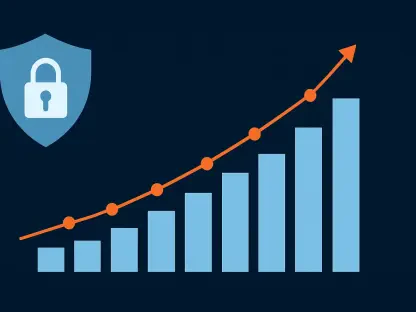

McKinsey forecasts that 95% of new vehicle sales globally will be connected by 2030, marking a permanent shift from isolated machines to digital nodes. This transition represents the sophisticated convergence of telecommunications and informatics, creating a seamless data pipeline that allows vehicles to communicate in real-time. By integrating GPS technology, on-board diagnostics, and cellular connectivity, this field transforms traditional vehicles into mobile data centers. These systems provide a comprehensive view of a vehicle’s status, capturing everything from precise geographical coordinates and engine health to specific driver behaviors like acceleration patterns and braking intensity. As the automotive industry shifts from mechanical isolation toward digital connectivity, the value of a vehicle is increasingly defined by its ability to generate actionable insights. This evolution is not merely about tracking location; it is about utilizing machine learning to turn raw data into a nuanced understanding of risk.
Optimizing Fleet Operations through Data Intelligence
In the realm of logistics and commercial fleet management, telematics serves as a critical tool for eliminating operational waste. By identifying inefficiencies such as excessive idling or sub-optimal routing, companies can significantly reduce fuel consumption and overhead costs. Real-time monitoring allows dispatchers to adjust routes dynamically based on traffic congestion or weather conditions, ensuring that delivery windows are met with surgical precision. This level of oversight extends to fuel management, where sensors detect unauthorized fuel siphoning or identify vehicles that are consuming more than their peers, indicating potential mechanical issues or inefficient driving. The integration of these data points enables a granular level of cost control that was previously impossible. Furthermore, the ability to automate logbooks and compliance reporting reduces the administrative burden on drivers, allowing them to focus on road safety rather than manual paperwork.
Beyond immediate routing benefits, predictive maintenance powered by real-time diagnostic codes allows managers to address mechanical issues before they lead to costly breakdowns. In sectors like construction and agriculture, where equipment downtime can stall multi-million dollar projects, the visibility provided by telematics is indispensable. Sensors monitor engine temperature, oil pressure, and battery health, sending alerts to maintenance teams when parameters deviate from the norm. This proactive approach ensures that assets remain productive and visible, extending the lifecycle of the fleet and optimizing the total cost of ownership. By moving from reactive repairs to a data-driven maintenance schedule, organizations avoid the cascading costs associated with emergency towing and last-minute part procurement. This structural discipline transforms fleet management from a logistical headache into a streamlined, high-performance operation that leverages every available megabyte of vehicle data.
Behavioral Feedback and the Evolution of Risk
The insurance industry is undergoing a radical transformation through the implementation of usage-based insurance models. Rather than relying on broad demographic data to set premiums, insurers now use telematics to monitor actual driving habits, offering personalized pricing based on real-world safety. This shift creates a powerful incentive for better behavior, as a majority of participants in these programs report modifying their driving habits to take advantage of lower rates and safety rewards. For example, a driver who consistently avoids hard braking and keeps within speed limits is rewarded with lower premiums, whereas aggressive maneuvers result in higher costs. This direct link between behavior and financial consequences encourages a more mindful approach to driving. As more insurers adopt these models, the traditional actuarial tables are being replaced by dynamic algorithms that can assess risk in real-time, providing a more equitable and transparent pricing structure for the consumer.
The promise of enhanced road safety is one of the most compelling arguments for widespread telematics adoption, with data indicating the potential for a 40% reduction in collision rates. However, the technology is not a universal fix; its success depends heavily on the quality of the feedback loop. For safety benefits to be realized, drivers must be informed of their performance, and organizations must possess the structural discipline to act on the data, turning raw information into active coaching and behavioral change. Many companies have implemented gamification strategies, where drivers compete for the highest safety scores, fostering a culture of excellence. These programs often include real-time in-cab alerts that warn drivers of high-risk behaviors as they occur, allowing for immediate correction. This continuous feedback loop ensures that safety is not just a policy on paper but a lived experience for every operator on the road, ultimately saving lives and reducing liability.
Strategic Standards and the Connected Ecosystem
As vehicles collect increasingly sensitive information, the industry faces growing scrutiny regarding data security and the ethics of personal information usage. Regulatory bodies are focusing on preventing the “secondary use” of data, emphasizing that telematics must function as a trust-based system to gain public acceptance. Transparency in data collection and robust protection measures are essential hurdles that providers must clear to ensure the technology is integrated into the daily fabric of modern mobility. Manufacturers and software developers are now prioritizing end-to-end encryption and decentralized storage to mitigate the risk of cyberattacks. This focus on security is not just about compliance; it is about building a foundation of trust that allows for more advanced applications in the future. As the volume of data grows, the industry must remain vigilant in protecting the privacy of both fleet operators and individual drivers to maintain the integrity of the entire connected ecosystem.
The transition toward a fully connected infrastructure required stakeholders to embrace transparency and prioritize the security of sensitive information. Industry leaders established rigorous protocols that governed how data was stored and shared, ensuring that privacy remained a fundamental right rather than an afterthought. By implementing these standards, organizations fostered a climate of trust that encouraged widespread adoption among cautious consumers and commercial entities alike. Moving forward, the focus shifted toward integrating telematics with smart city infrastructure, allowing vehicles to communicate with traffic signals and emergency services to further optimize urban flow. The success of this digital transformation depended on a collaborative approach where manufacturers, insurers, and regulators worked in unison. This proactive strategy ensured that the massive influx of vehicle data was used responsibly, paving the way for a more efficient and safer global transportation network for all participants.