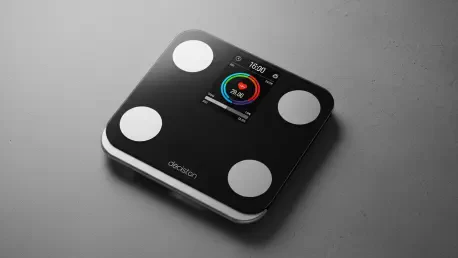

The integration of clinical-grade biometric assessments into daily residential routines represents a significant shift in the consumer wellness landscape, moving toward a model where data-driven decisions are made at home rather than solely in a physician’s office. This transition has birthed a new category of “health stations” that transcend the capabilities of standard weight-tracking devices. While basic smart scales provide a general estimate of body mass and fat percentage, the most advanced models now offer a deep dive into cardiovascular health, nerve activity, and segmental body composition.
Beyond Basic Bio-Tracking: The Evolution of the Smart Scale into a Home Health Station
The transformation of the bathroom scale from a passive measurement tool into a proactive health hub reflects a broader trend toward personalized preventative medicine. In the current market, consumers are no longer satisfied with a single number representing total body weight. Instead, there is a growing demand for nuanced insights that reveal what that weight actually consists of, including bone density, visceral fat, and muscle mass. This evolution necessitates hardware that can look deeper into the body, utilizing technologies previously reserved for specialized medical clinics or athletic performance centers.
As these devices become more integrated into smart home ecosystems, they serve as the primary point of data collection for holistic health monitoring. The shift toward a comprehensive health station model allows for the early detection of physiological trends that might otherwise go unnoticed. By providing a daily snapshot of multiple health markers, these stations enable individuals to identify the subtle effects of lifestyle changes, such as adjustments in diet, exercise intensity, or even sleep quality. This granular level of detail helps bridge the gap between periodic medical check-ups and daily wellness habits.
Furthermore, the aesthetic and functional design of these health stations has evolved to match their sophisticated internal components. Modern iterations often feature high-resolution color displays and sleek, tempered glass platforms that house complex sensor arrays. These design choices are not merely for show; they facilitate a more engaging user experience that encourages consistent usage. When a device provides immediate, visual feedback on complex data points like vascular age or standing heart rate, the user is more likely to remain committed to their long-term health objectives.
Dissecting the Performance and Precision of the Eight-Electrode Diagnostic System
The cornerstone of modern high-end scales is the implementation of an eight-electrode diagnostic system, which significantly enhances the accuracy of bioelectrical impedance analysis (BIA). Standard smart scales typically rely on four electrodes located on the base of the device, which only send an electrical current through the lower half of the body. This method forces the device to estimate the composition of the upper body based on the data collected from the legs. In contrast, an eight-electrode configuration includes a retractable handle, allowing the current to pass through both the arms and the torso, providing a complete circuit for the entire anatomy.
By utilizing this multi-pathway electrical circuit, the system can differentiate between different types of tissue with much greater precision. Muscle, fat, and bone each have unique resistance levels to electrical currents, and the addition of upper-body sensors allows for a more comprehensive “map” of the body. This technological leap reduces the margin of error that often plagues lower-end scales, particularly for individuals with non-standard body types, such as endurance athletes or those with significant muscle mass. The result is a measurement that feels more aligned with professional-grade assessments.
Moreover, the performance of an eight-electrode system is not just about the number of sensors, but how the data is processed. These devices often employ multi-frequency BIA, which sends currents at different frequencies to measure both extracellular and intracellular fluids. This level of detail is crucial for accurately determining hydration levels, which can fluctuate wildly and skew traditional fat percentage readings. The precision afforded by these sensors ensures that the data points generated are not just consistent, but truly representative of the user’s internal physiological state at any given moment.
Decoding Body Geometry Through Segmental Analysis and Advanced BIA Technology
Segmental analysis represents one of the most significant advancements in home health monitoring, allowing users to see a breakdown of fat and muscle distribution across five specific zones: the torso, right arm, left arm, right leg, and left leg. This level of detail is particularly valuable for individuals recovering from injuries or those engaged in targeted strength training programs. By identifying muscle imbalances between the left and right sides of the body, a user can adjust their workout routine to ensure more symmetrical development and reduce the risk of future injury.
The application of advanced BIA technology in a segmental fashion also provides insights into visceral fat, the hidden fat stored around internal organs. While subcutaneous fat is often the focus of aesthetic concerns, visceral fat is a critical indicator of metabolic health and risk factors for various chronic conditions. Having the ability to track changes in this specific metric over time allows users to gauge the effectiveness of cardiovascular training and dietary interventions more accurately than a simple waist measurement ever could.
Adaptive Algorithms and Specialized Modes for Personalized Wellness Journeys
To ensure that the data collected remains relevant to a diverse user base, high-end health stations utilize adaptive algorithms that can be tailored through specialized modes. One of the most prominent is the athlete mode, which adjusts the mathematical models used to calculate body composition. Since athletes often have higher bone density and muscle mass than the general population, standard BIA algorithms can sometimes overestimate their body fat. The athlete mode corrects for these physiological differences, providing more realistic data for those who engage in high-intensity training.
Other specialized settings, such as pregnancy and baby modes, demonstrate the versatility of modern diagnostic hardware. Pregnancy mode allows expecting mothers to track weight gain within the context of their specific trimester, offering guidance and removing certain body composition measurements that might be inaccurate during gestation. Baby mode simplifies the process of monitoring an infant’s growth by allowing a parent to be weighed while holding the child, with the scale automatically calculating the difference. These features ensure the device remains a useful tool through various stages of life.
Navigating the Complexity of Forty Biomarkers and Clinical Data Interpretation
The sheer volume of data produced by a premium health station can be both an asset and a challenge, with some devices generating over forty distinct biomarkers. Beyond standard weight and fat metrics, users are presented with complex cardiovascular data, such as Pulse Wave Velocity (PWV) and Vascular Age. PWV measures the speed at which blood pressure waves move through the arteries, serving as a key indicator of arterial stiffness and overall heart health. Interpreting these clinical-grade metrics requires a certain level of health literacy, as the numbers can be overwhelming without proper context.
In addition to cardiovascular tracking, advanced scales often include features like Nerve Health scores, which measure the sweat gland activity in the feet. This metric can serve as an early warning sign for peripheral autonomic neuropathies, which are often linked to metabolic issues. While having access to this data is revolutionary for home monitoring, it places a significant responsibility on the user to understand what the numbers signify. Without clear guidance or a baseline for comparison, a user might experience unnecessary anxiety over fluctuations that are within a normal physiological range.
The Digital Backbone: Balancing App Reliability with the Withings+ Subscription Model
The hardware of a health station is only as effective as the digital platform that supports it, as the companion app serves as the primary interface for data visualization and trend analysis. A robust app should provide a seamless synchronization experience via WiFi or Bluetooth, ensuring that measurements are uploaded and categorized automatically. However, the complexity of managing dozens of biomarkers across multiple users can lead to occasional software friction. Reliability in data syncing is paramount, as any interruption in the data stream can lead to gaps in long-term trend analysis, undermining the purpose of daily monitoring.
Many manufacturers have moved toward a subscription model to unlock the full potential of their health data ecosystems. These premium services often provide more in-depth reports, personalized health improvement scores, and curated content like workout plans or nutritional advice. While the base app usually offers sufficient data for most users, the subscription model aims to provide the “connective tissue” that turns raw numbers into actionable lifestyle changes. The challenge for users is determining whether the ongoing cost of these services provides enough added value beyond the already high initial investment in the hardware.
Strategic Implementation: Identifying the Ideal User and Optimizing Data Accuracy
A premium health station is not a universal necessity; rather, it is a specialized tool best suited for individuals who are deeply committed to long-term physiological tracking. Dedicated athletes, people managing chronic health conditions, or wellness enthusiasts who enjoy quantifying their progress will find the most value in the segmental analysis and cardiovascular metrics. For a casual user who only wants to track basic weight trends, the complexity and cost of an eight-electrode system may outweigh the benefits. Strategic adoption involves recognizing if one is willing to put in the effort to understand and act upon the detailed data provided.
To maximize the accuracy of the measurements, users must also adhere to specific protocols during each session. Because BIA technology is sensitive to hydration levels and skin contact, consistency is key. Taking measurements at the same time each day, typically in the morning before consuming food or water, ensures that the trends recorded are as reliable as possible. Furthermore, ensuring that the skin on the feet and palms is slightly moist can improve the conductivity of the electrodes, leading to more stable readings. Small adjustments in how the device is used can significantly impact the quality of the insights derived from the platform.
Optimizing data accuracy also involves the physical placement of the device within the home. Smart scales should always be used on a hard, flat surface rather than on carpet, which can interfere with the weight sensors and lead to inaccurate readings. Moreover, the retractable handle must be held correctly, with arms extended and away from the torso, to prevent the electrical current from taking a “shortcut” and bypassing parts of the upper body. When these technical requirements are met, the health station becomes a highly reliable instrument for monitoring subtle shifts in body composition and cardiovascular health over months and years.
Final Verdict on the Premium Health Paradigm and the Future of Proactive Monitoring
The adoption of high-end diagnostic hardware proved to be a transformative step for those seeking to move beyond surface-level health metrics. The transition from simple weighing to comprehensive body scanning allowed for a more nuanced understanding of how lifestyle choices impacted internal health. Users who utilized the segmental analysis found that they could identify specific areas for improvement, while the cardiovascular tracking provided a much-needed window into heart health that was previously inaccessible at home. The technology successfully shifted the focus from a single, often stressful number toward a holistic view of physical well-being.
As the market for home health stations matured, it became clear that the value of these devices was inextricably linked to the user’s engagement with the data. The initial challenge of interpreting complex biomarkers was often mitigated by the digital platforms that offered trend analysis and contextual explanations. Those who integrated these measurements into a broader wellness strategy found that the insights gained were worth the premium price point. The most successful implementations were those where the user viewed the scale not just as a judge of their weight, but as a collaborative partner in their health journey.
Looking toward the future, the next logical step involves the deeper integration of artificial intelligence to provide even more predictive health insights. Future iterations of this technology may be able to suggest specific dietary adjustments or exercise modifications based on the real-time feedback from BIA and nerve health sensors. For those ready to invest in this level of proactive monitoring, the actionable next steps involved establishing a consistent measurement routine and learning to prioritize long-term trends over daily fluctuations. Ultimately, the shift toward sophisticated home diagnostics empowered individuals to take greater ownership of their physiological destiny.