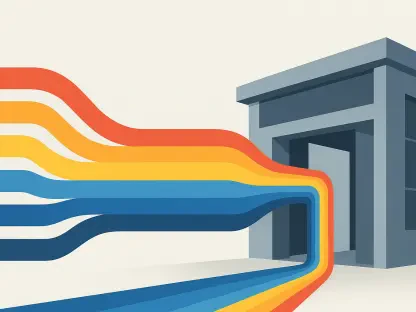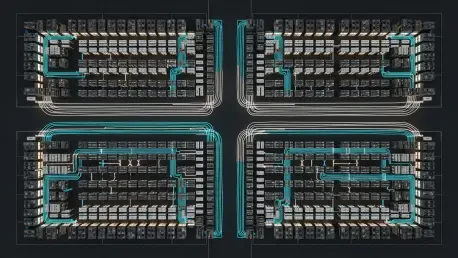

The rapid acceleration of generative artificial intelligence has fundamentally altered the physical and financial architecture of global data infrastructure, transitioning these facilities from standard storage warehouses into sprawling, high-tech industrial campuses that consume unprecedented amounts of energy. While the industry has long dealt with routine maintenance issues, the sheer density of hardware required to support modern large language models has introduced a volatile set of operational risks that are currently forcing insurance providers to recalibrate their risk assessment models. Statistical analysis from major markets demonstrates a startling disparity between the frequency of minor incidents and their total financial impact on the bottom line. Although water damage remains the most frequent cause for insurance claims, fire damage accounts for more than half of all loss values due to its ability to destroy sensitive components. These high-density hubs are now so integrated that a single event can result in hundreds of millions of dollars in damages.
The Complexity: Why Infrastructure and Construction Matter
The relentless drive to deploy artificial intelligence at scale has pushed developers toward constructing multi-story, gigawatt-scale facilities that often outpace existing safety regulations and standardized building protocols. This pressure to satisfy immediate market demand frequently leads to compressed construction schedules, where late-stage design modifications are implemented on the fly to accommodate specialized, high-density server racks. Such rapid iteration increases the likelihood of human error during the installation of complex electrical systems, making the pre-operational testing phase the most dangerous period for a new facility. During this critical window, minor technical oversights or hidden manufacturing defects in unproven power equipment can escalate into catastrophic failures before the site even begins its commercial lifecycle. The industry is seeing a rise in incidents where inadequate commissioning of backup power systems leads to massive electrical surges that compromise the integrity of the entire grid.
Fire protection strategies face unprecedented challenges as operators integrate lithium-ion battery modules directly into individual server racks to maximize floor space and improve energy efficiency during peak loads. This close proximity between high-energy storage units and critical processing hardware creates a significant risk of thermal runaway, a chemical reaction that generates self-sustaining heat and is notoriously difficult to extinguish with conventional methods. Even the advanced fire suppression systems designed to mitigate these threats can inadvertently cause severe damage to the delicate internal components of high-end graphics processing units. For example, the high-frequency acoustic vibrations produced by inert gas discharge nozzles have been known to cause mechanical failure in hard drives and other vibration-sensitive equipment. Consequently, operators are forced to balance the need for aggressive fire suppression against the potential for chemical contamination or physical damage caused by the very systems meant to protect their multi-million dollar investments.
Natural Disasters: Managing Climate Exposure and Supply Chains
The physical geography of the data center industry has become a point of significant concern as many major hubs are located in regions increasingly vulnerable to severe weather events such as floods, wildfires, and tropical storms. Chronic environmental stressors, particularly periods of extreme heat, are placing an immense burden on liquid cooling systems and traditional HVAC units, which were often not designed to handle the thermal output of modern AI hardware in high-ambient temperatures. While direct physical damage from a natural disaster is a primary worry, the broader threat often manifests in the surrounding utility infrastructure and logistics networks. A disruption in the local water supply can halt the cooling processes of a massive campus, while a regional power grid failure can force a facility to rely on on-site fuel reserves for extended periods. This interconnectedness means that an environmental event miles away from a facility can still trigger a full operational shutdown that ripples through the global digital economy.
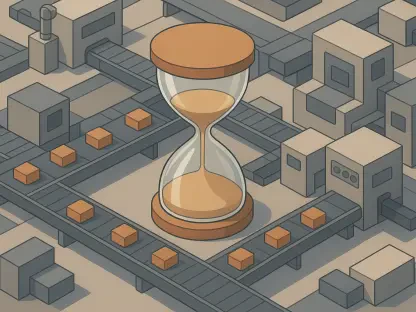
Business interruption has evolved into a staggering financial liability due to unprecedented delays in the global supply chain for critical electrical infrastructure and specialized cooling components. Currently, lead times for essential hardware like high-voltage transformers or custom switchgear can exceed eighteen months, meaning that a localized fire or equipment failure can result in years of lost revenue rather than just weeks. This fragility is further exacerbated by the increasing legal pressure from enterprise tenants who are filing massive lawsuits when service level agreements are breached during extended outages. These legal risks have transformed technical failures into corporate crises, as the cost of litigation and contractual penalties often rivals the cost of the physical repairs themselves. Despite these compounding hazards, the market for data center insurance is projected to double in value from 2026 to 2030. This growth reflects the vital role these facilities play in supporting the global financial and technological sectors while highlighting the rising costs of risk mitigation.
Strategic Resilience: Actionable Mitigation and Next Steps
The evolution of data center infrastructure required a complete overhaul of traditional risk management strategies as the industry adapted to the specialized demands of high-density artificial intelligence workloads. Operators moved beyond reactive maintenance and instead prioritized predictive analytics and advanced thermal monitoring to identify potential failures before they manifested into catastrophic losses. This transition involved significant investments in resilient cooling technologies and more robust physical security measures that addressed both environmental and technical vulnerabilities. Organizations that successfully navigated this shifting landscape focused on diversifying their supply chains and establishing deeper partnerships with insurance providers to ensure long-term stability. By integrating safety protocols directly into the early design stages of new facilities, the industry managed to reduce the frequency of high-value fire incidents and improved overall uptime. Ultimately, the focus shifted from simple hardware protection to a holistic approach that valued operational continuity and legal compliance.
Future strategies emphasized the necessity of real-time data sharing between data center operators and municipal emergency services to shorten response times during critical incidents. This collaborative approach ensured that local fire departments were equipped with the specific knowledge and tools required to handle high-voltage electrical fires and chemical thermal runaway events effectively. Furthermore, the implementation of modular construction allowed for better isolation of risks, preventing a single hardware failure from compromising the stability of an entire campus. Industry leaders also prioritized the development of standardized insurance frameworks that provided clearer coverage for indirect losses, such as reputational damage and supply chain volatility. These advancements collectively strengthened the resilience of the global digital infrastructure, transforming it into a more manageable environment for investors and insurers alike. By focusing on these improvements, the industry secured its growth and maintained the trust of a society dependent on AI.