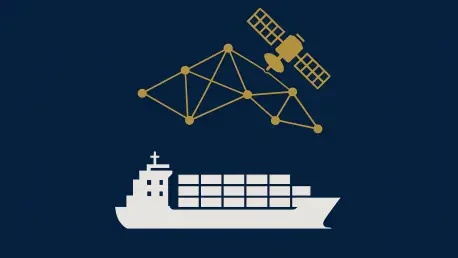

Specialized cyber insurance programs are now designed to complement traditional maritime placements without creating overlapping coverage gaps. In the current maritime environment of 2026, the reliance on high-speed satellite connectivity and automated navigation systems has exposed fleets to unprecedented levels of digital vulnerability. Traditional marine policies often contain exclusion clauses that leave shipowners exposed to the financial fallout of data breaches or system hijacking. Janus Assurance Re has recognized this critical deficiency by introducing a specialized program that specifically targets these technological blind spots. By focusing on the intersection of physical cargo safety and digital integrity, the program addresses the complexities of modern logistics. This shift is particularly relevant as vessels increasingly utilize integrated Operational Technology for engine diagnostics and cargo temperature control. These systems, once isolated, are now frequently networked, providing potential entry points for malicious actors. Furthermore, the rising frequency of ransomware attacks targeting port management systems necessitates a comprehensive approach that bridges the gap between vessel operations and shore-side management, ensuring that shipping conglomerates maintain continuous operation despite localized digital disturbances.
Integrating Cyber Resilience: Navigating Modern Risk Landscapes
The architecture of this new insurance framework relies heavily on real-time data analytics and the assessment of on-board cybersecurity maturity. Unlike older models that relied on static questionnaires, the Janus program incorporates continuous monitoring of a vessel’s digital health, including the status of firewalls and the integrity of API connections used for port-to-ship communications. This data-centric approach allows for more accurate risk pricing, reflecting the actual security posture of the fleet rather than a generalized industry average. A significant portion of the coverage focuses on the restoration of Operational Technology, which remains the most vulnerable segment of maritime infrastructure. If a ship’s propulsion system is compromised via a remote access Trojan, the costs associated with emergency towing and hardware replacement are substantial. By providing specific sub-limits for these technical failures, the program ensures that technical managers have the necessary resources to engage specialized maritime digital forensic teams immediately. This level of granularity helps stakeholders understand exactly where their digital liabilities lie, fostering a culture of transparency between the insurer and the insured party.
Securing the Digital Fleet: Strategic Implementation and Response
Shipping organizations moved toward a model where incident response plans were treated with the same urgency as traditional fire or lifeboat drills. To maximize the effectiveness of these insurance programs, technical departments prioritized the segmentation of onboard networks, ensuring that crew entertainment systems remained physically and logically separated from critical navigation arrays. This proactive stance significantly reduced the lateral movement of malware across vessel systems. Janus Assurance Re facilitated this transition by offering credits for verifiable cybersecurity training programs conducted for officers and engineers. As the maritime industry integrated these sophisticated layers of protection, the focus shifted toward the long-term sustainability of digital assets. Shipowners successfully adopted standardized protocols for patching legacy hardware that lacked modern security features. These steps converted the theoretical risks of 2026 into manageable operational variables. Ultimately, the industry established a robust baseline for digital safety that transcended simple compliance. By treating cyber risk as an essential component of seaworthiness, the global fleet achieved a higher degree of resilience, ensuring that the global flow of goods remained uninterrupted by the evolving tactics of cybercriminals.