
Setting a course from the sun-drenched marinas of San Diego toward the pristine coastal waters of the Baja Peninsula represents a dream voyage for many maritime enthusiasts seeking the ultimate adventure. However, the geographical proximity of these international destinations often masks a complex web of legal and insurance requirements that differ fundamentally from domestic regulations. Boaters who assume their standard domestic policies offer a seamless transition across the border frequently find themselves facing unexpected legal hurdles that can jeopardize their financial security and their vessels. As maritime traffic between Southern California and Mexico continues to grow, the importance of understanding these specific regulatory nuances has become a critical component of any pre-departure checklist for modern captains and owners. Navigating these waters involves much more than just a mastery of tides and weather patterns; it demands a comprehensive grasp of the unique liability structures governing Mexican territorial seas today.
Navigating Legal Misconceptions
Liability Protection: The Local Necessity
Many boat owners mistakenly believe that because their domestic policy explicitly lists Mexico within the navigational limits, they are fully protected against all legal eventualities once they cross the border. In reality, Mexican law operates under a different statutory framework which dictates that any liability coverage presented to authorities must be issued by a carrier legally authorized to operate within the Republic of Mexico. While a high-quality American policy might provide physical damage coverage for the hull or personal property, it lacks the legal standing to satisfy the mandatory third-party liability requirements enforced by the Mexican government. This specific form of insurance is designed to cover damages to third-party property or individuals, including government infrastructure, which is a strictly enforced civil matter in Mexico. Failing to secure a policy from a domestic Mexican provider often means that a boater is effectively uninsured in the eyes of local law enforcement.
Compliance Standards: Port Verification
Beyond the legal definitions, the practical application of these rules has become increasingly visible as harbormasters and marina administrators across major ports like Ensenada and Cabo San Lucas tighten their verification processes. These officials now routinely demand a valid Mexican liability certificate before allowing a vessel to secure a slip, receive fuel, or undergo even minor repairs in a boatyard. It is not uncommon for administrative delays to occur when the name on an insurance card does not perfectly match the name listed on the vessel’s federal registration or its temporary import permit. Such discrepancies, though seemingly minor, can trigger a series of bureaucratic challenges that prevent a crew from continuing their itinerary or even departing a port once they have docked. Modern enforcement focuses on ensuring that if an incident occurs within the harbor, there is immediate and verifiable recourse through a recognized Mexican financial institution.
Logistics: Transit and Incident Management
Foreign Claims: Handling Land Transport
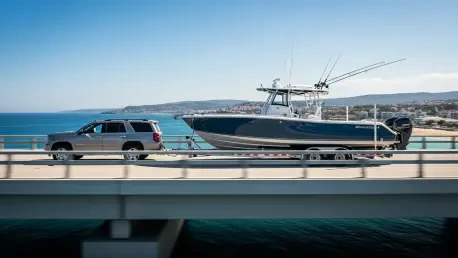
For many adventurers, the journey to the Sea of Cortez does not begin in the open water but on the interstate, as they tow their vessels through land crossings to reach more secluded launching points. This intermodal transition introduces a significant insurance gap that is frequently overlooked by those focusing solely on maritime risks. Most standard U.S. auto insurance policies terminate their liability coverage the moment the vehicle enters Mexican territory, necessitating a separate liability policy for both the tow vehicle and the trailer itself. If an accident occurs on a Mexican highway while the boat is in tow, the absence of a localized liability policy can lead to the immediate impoundment of both the vehicle and the vessel by the federal police. Ensuring that the entire transport package is covered under a Mexican-authorized policy is vital for avoiding a situation where a road incident prevents the boat from ever reaching the water, turning a planned vacation into a complex legal struggle.
Claims Management: Documenting Incidents
When an incident does occur in Mexican waters, whether it involves a minor collision or a more significant mechanical failure, the protocol for managing the subsequent claim differs significantly from the process in domestic waters. It is essential for boaters to resist the urge to authorize immediate, permanent repairs through a local shipwright before establishing contact with their insurance broker and the assigned Mexican adjuster. The claims process in a foreign jurisdiction relies heavily on specific documentation and the prior approval of expenditures to ensure that the carrier honors the financial obligation under the policy. Boaters should be prepared to provide high-resolution photographic and video evidence of the scene and to cooperate fully with local authorities to secure an official police or harbormaster report. Maintaining a disciplined approach to evidence gathering and following the insurer’s specific communication chain are the most effective ways to navigate the complexities.
Evaluating Risks: Modern Trips
Vessel Valuation: Technology Upgrades
The rapid advancement of maritime technology has led to boats being equipped with sophisticated arrays of electronics, ranging from advanced satellite communication suites to high-capacity lithium battery banks. These upgrades often represent a substantial increase in the total replacement value of the vessel, yet many owners neglect to update their insurance schedules before embarking on an international voyage. In a scenario involving a total loss or severe damage, an outdated policy that does not account for these modern enhancements could leave the owner facing a significant financial shortfall. It is also imperative to consider the value of high-end fishing tackle, professional-grade tenders, and specialized dive gear, all of which should be specifically named in the international navigation endorsement. By ensuring that the agreed-upon value of the boat reflects its current technical state, owners can mitigate the risk of being underinsured while operating in areas where logistics and replacement costs are high.
Operational Risks: Tournaments and Stays
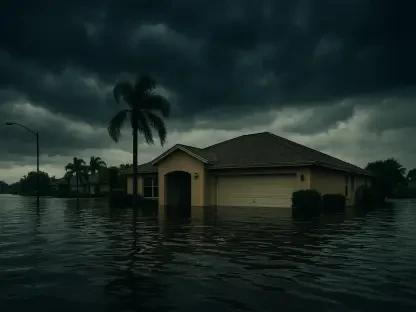
Planning for an extended stay in the Sea of Cortez or participating in high-stakes fishing tournaments requires an even more nuanced approach to risk assessment than a simple weekend excursion. Long-term stays often span the duration of the Pacific hurricane season, which necessitates a specific storage and mooring plan that must be reviewed and approved by the insurance provider to maintain coverage. Many policies include strict geographic restrictions during certain months, and failing to adhere to these hurricane boxes can lead to a complete denial of coverage if a storm strikes while the vessel is in a restricted zone. Furthermore, the competitive nature of fishing tournaments introduces unique risks, such as increased operational speeds and the presence of additional professional crew members on board. These activities usually require a specific tournament rider to be added to the policy, ensuring that the elevated liability and physical damage risks associated with sportfishing are fully covered.
Strategic Planning: International Voyages
Tactical Framework: Complete Compliance
Building a robust framework for international compliance requires a proactive strategy that should ideally begin several weeks before the vessel is scheduled to depart its home port. A direct consultation with a specialized marine insurance broker is the most effective way to review the existing navigation limits and verify that all policy details are perfectly aligned with the boat’s current operational profile. This process involves a meticulous cross-referencing of hull identification numbers, engine serial numbers, and federal registration data across all documents to ensure there are no clerical errors that could cause delays at a foreign port. Modern brokers can also provide insights into the specific requirements of different Mexican states or individual marina chains, which may have their own internal policies regarding liability limits and environmental insurance. This level of preparation ensures that the captain can present a comprehensive and flawless documentation package to officials at any port.
Practical Readiness: Final Considerations
The final phase of preparation involved a rigorous review of all safety protocols and communication channels to ensure they aligned with the localized requirements of the destination ports. Successful voyagers recognized that the transition across the maritime border was as much a legal event as it was a physical one, requiring a shift in mindset toward comprehensive documentation and verified coverage. Seeking out a broker with specific expertise in the Mexican market allowed owners to secure policies that were not only legally compliant but also tailored to the unique environmental and operational risks of the region. This proactive stance ensured that when challenges arose, whether in the form of a harbor inspection or a mechanical incident, the crew remained protected by a valid and recognized insurance structure. Ultimately, the most rewarding experiences in foreign waters were those built upon a foundation of thorough research and administrative diligence. Addressing these liability concerns in advance cleared the path.