
The global spirits industry is witnessing a significant shift toward sustainable luxury as traditional production methods reconcile with modern environmental standards through massive capital injections. Ardgowan Distillery has recently secured a substantial multi-million dollar funding package, marking a pivotal moment in its journey to establish a flagship presence in the Lowlands. This financial milestone ensures that the construction of the Inverkip facility continues at a rapid pace, integrating sophisticated carbon-capture technologies and high-efficiency thermal systems. By securing these resources, the distillery positions itself as a leader in the next generation of eco-conscious production, aiming to harmonize the heritage of single malt whisky with the urgent requirements of carbon neutrality. The funding round attracted a diverse group of investors, ranging from private equity firms to established industry veterans, all betting on the long-term viability of premium Scotch. This influx of capital provides the necessary stability to navigate the complex aging process required for a world-class single malt.
Strategic Investment: Engineering a Sustainable Distilling Future
The technical blueprint for the Inverkip site revolves around a state-of-the-art distillation process that prioritizes resource circularity and energy efficiency through advanced heat recovery loops. Engineers have designed a system where every thermal unit is repurposed, significantly reducing the overall carbon footprint compared to traditional coal or gas-fired distilleries of the previous century. This commitment to sustainability is further bolstered by the integration of carbon capture units that prevent fermentation gases from entering the atmosphere, a move that sets a new industry standard for the 2026 production cycle and beyond. These technological choices are not merely environmental gestures; they are strategic investments that ensure long-term operational resilience against rising energy costs and tightening regulatory frameworks. The distillery also utilizes high-precision copper stills, custom-built to produce a light and floral spirit characteristic of the Lowland style, while maintaining the flexibility to experiment with different grain profiles.
Securing the necessary capital involved a multi-stage approach where the distillery partnered with Distil plc and a group of private equity investors who recognized the potential of the Inverclyde region. This consortium provided more than just financial liquidity; they brought expertise in global distribution and brand positioning that is essential for a new entrant in the competitive single malt category. The investment strategy was specifically designed to cover the high overhead of the initial production years, where the spirit must mature in the warehouse before it can generate a return. By focusing on a long-term equity model, the distillery avoided the pitfalls of high-interest debt, allowing the master distiller to focus on quality and consistency rather than immediate turnover. This financial stability also allowed for the procurement of rare ex-bourbon and sherry casks, which are vital for developing the complex flavor profile required for the brand’s first official release, slated to coincide with the maturing markets of the late twenties.
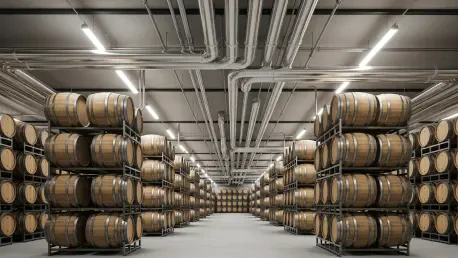
The successful acquisition of this funding allowed the management team to finalize contracts for the maturation warehouses, ensuring that the first batches of spirit remained undisturbed in premium oak casks. Industry analysts observed that the project’s emphasis on local employment and supply chain integration created a robust economic ripple effect throughout the Inverclyde region. Rather than simply producing a beverage, the distillery established a tourism hub that integrated the history of the site with interactive educational experiences regarding green energy in manufacturing. Stakeholders focused on the global export market, identifying emerging demand in Asia for spirits that verified environmental claims through transparent auditing. The project demonstrated that industrial heritage could be successfully pivoted toward a future where luxury and responsibility coexist. Moving forward, other regional producers should look to this model as a blueprint for securing sustainable investment, specifically focusing on the integration of carbon-capture units for long-term viability.