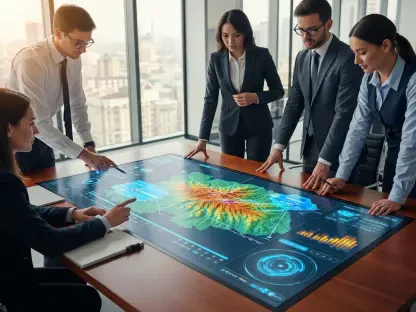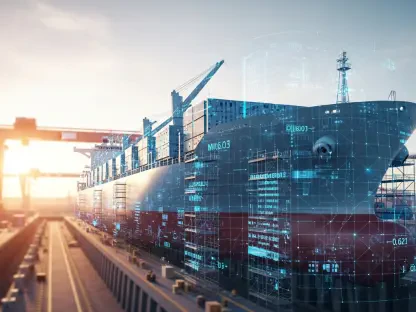

The historical reliance on broad actuarial assumptions for large-scale commercial risk has long left underwriters grappling with significant margins of error and administrative bottlenecks that hinder profitability. For decades, the industry accepted a degree of estimation when dealing with massive

Simon Glairy brings years of deep-bench experience to the table, particularly in how legacy insurance systems collide with modern artificial intelligence. As a recognized authority in Insurtech and risk management, he has guided numerous organizations through the labyrinth of digital migration.
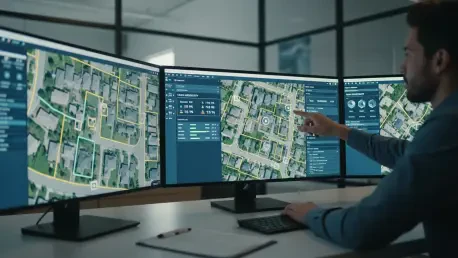
The traditional property inspection process, once defined by adjusters with ladders and clipboards, has effectively been replaced by a sophisticated network of orbital satellites, high-altitude fixed-wing aircraft, and agile unmanned aerial vehicles. This technological leap into the current year

The intersection of massive physical infrastructure and advanced artificial intelligence has created a unique set of challenges for the global construction industry, which currently faces an unprecedented demand for data centers and renewable energy facilities. Shepherd, a leader in the AI-native

High-stakes geopolitical friction and the relentless acceleration of high-tech competition have fundamentally reshaped the global landscape in 2026, turning digital vulnerabilities into existential threats for corporations and nation-states alike. As the distinction between digital and physical
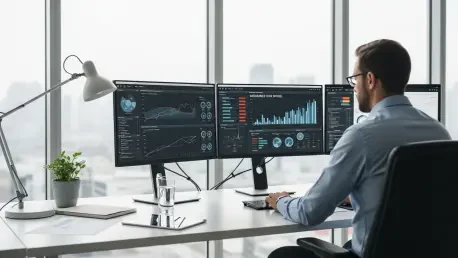
Simon Glairy is a distinguished authority in the intersection of commercial insurance and Insurtech, currently at the forefront of analyzing how artificial intelligence reshapes enterprise risk. With extensive experience in AI-driven risk assessment, he has spent years advising global firms on how