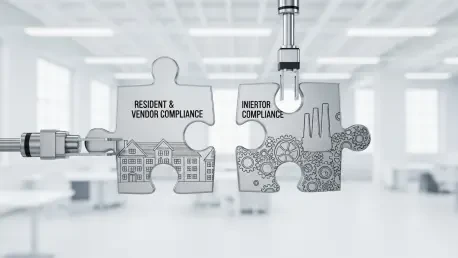

The recent acquisition of Revyse by GetCovered represents a significant consolidation of risk management power within the residential real estate technology sector as operators seek unified solutions. This move fundamentally alters how property management firms approach the multifaceted nature of liability, effectively merging resident-focused insurance compliance with comprehensive vendor intelligence. Traditionally, these two spheres operated in isolation, leading to dangerous gaps where expired policies or unauthorized contractors could expose portfolios to massive financial and legal risks. By bridging this gap, the companies have created a centralized “command-and-control” infrastructure that allows for real-time monitoring of every entity entering or inhabiting a property. This shift moves the industry toward a predictive model, where potential liabilities are identified and mitigated before they result in a claim or a lawsuit, ultimately lowering the total cost of risk for ownership groups and institutional investors. By dissolving silos, the deal transitions the sector away from manual, fragmented workflows toward an AI-driven ecosystem designed for total protection.
Bridging the Gap: Resident and Vendor Compliance
GetCovered has solidified its market position by managing compliance for more than three million rental units across the most prominent multifamily portfolios in the country. The platform specializes in automating the tedious aspects of policy administration and insurance tracking, which previously required hours of manual labor and significant administrative overhead. By ensuring that every tenant maintains the required levels of coverage throughout their lease term, the technology protects property managers from the financial devastation often associated with uninsured tenant accidents or property damage. This robust foundation provides the necessary scale to support a much more expansive risk management strategy that encompasses not just the people living in the units but also the businesses maintaining them. The introduction of a modular interface allows for seamless transitions between resident data and vendor logs, providing a holistic view of the entire property risk profile without the need for multiple logins. This level of integration ensures that liability gaps are closed across all residential touchpoints.
Revyse complements the existing resident-centric framework by directly addressing the complexities of the “messy middle” of vendor management where standard systems typically fail. Traditional tracking tools often struggle with the nuances of varied contracts and the inevitable exceptions that arise during the credentialing process for contractors and service providers. Unlike those passive systems, the integrated solution offers active enforcement mechanisms, such as verifying real-time coverage updates and automatically withholding payments from vendors who have allowed their insurance to lapse. This transformation ensures that insurance requirements are no longer treated as static paperwork but rather as actionable operational triggers that influence daily business decisions. By tying payment processing to compliance status, property owners can gain a level of leverage that was previously unattainable, forcing a higher standard of accountability across the entire supply chain and reducing the likelihood of third-party liability claims. This systematic approach ensures that every external partner adheres to the same rigorous safety and insurance standards as the tenants.
Integrating Artificial Intelligence: Unified Risk Analytics
The creation of a unified platform serves as a single operational layer that enables property operators to define and enforce strict rules across an entire portfolio with absolute precision. At the center of this efficiency lies a sophisticated AI core specifically trained to handle the high volume of document verification and spend intelligence required by modern real estate. This technological backbone allows property managers to finally move away from the crushing burden of manual document chasing and the error-prone nature of human review. Looking at the industry development from 2026 to 2028, these advancements will likely become the baseline for institutional asset management. By automating the extraction of data from complex insurance certificates and comparing them against specific lease or contract requirements, the AI flags potential liability exposure in real time. This immediate feedback loop allows onsite staff to intervene immediately when high-risk situations are detected, prioritizing the safety and financial health of the asset over mere administrative completion.
The integration of these disparate risk management functions established a new precedent for how property operators protected their assets from internal and external liabilities. Property managers who prioritized the adoption of this unified AI-driven framework experienced a significant reduction in administrative friction and a marked improvement in overall portfolio compliance. Moving forward, the most effective strategy involved moving beyond basic insurance tracking toward a holistic approach that included vendor spend intelligence and real-time credentialing. It became clear that the silos of the past were no longer sustainable in a market characterized by high litigation risks and complex regulatory requirements. Decision-makers recognized that the path to resilience required the implementation of centralized command-and-control systems that could automate the most vulnerable parts of the operation. This transition allowed teams to focus on asset performance rather than clerical oversight, ensuring that long-term value was preserved through a rigorous and technologically advanced approach to risk.