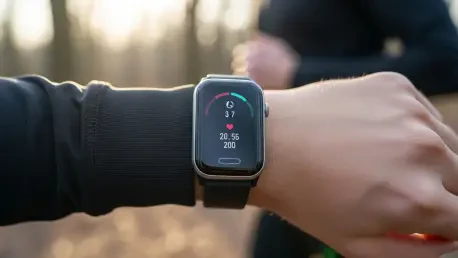

The fitness wearable landscape in India has undergone a massive transformation by the middle of this decade, moving away from simple step counting toward comprehensive physiological monitoring that was previously reserved for professional athletes. For many consumers, the sub-5000 Rupee price bracket has emerged as the definitive sweet spot where premium build quality meets sophisticated health algorithms without the excessive costs associated with flagship smartwatches. Navigating this crowded market is no longer a matter of identifying which device has the most sensors, but rather determining which ecosystem provides the most meaningful insights for a specific lifestyle. Whether the priority is an ultra-reliable battery that lasts weeks or a design that seamlessly transitions from a heavy workout to a professional meeting, the current selection offers specialized solutions for every type of user. This maturity in the market reflects a broader shift in consumer behavior where health data is viewed as a fundamental requirement for daily living.
Established Performers: Reliability and Aesthetic Appeal
The Samsung Galaxy Fit3 has solidified its position as a top contender for users who value a seamless integration with their existing mobile ecosystem and a refined user interface. Its lightweight aluminum construction provides a level of durability and elegance that stands in stark contrast to the plastic-heavy designs of previous generations, offering a tactile premium feel. With a battery life that consistently hits the 13-day mark, it caters to those who want a set-it-and-forget-it experience while still benefiting from highly accurate heart rate and sleep tracking modules. On the other hand, the Titan Crest appeals to a different demographic by leveraging the manufacturer’s long-standing heritage in traditional watchmaking to create a device that functions as a smartwatch-lite. This specific model focuses on aesthetic versatility, ensuring that the band does not look out of place in a formal boardroom environment while still packing the necessary sensors to track high-intensity training sessions.
For consumers whose primary concern is obtaining the maximum amount of utility for every rupee spent, the Mi Smart Band 6 and the Noise Pulse Hyper continue to dominate the high-volume segment. The Mi Smart Band 6 has maintained its reputation as a rugged workhorse, featuring superior water resistance and a durable strap design that makes it the preferred choice for swimmers and outdoor adventurers. Its longevity in the market is a testament to a design philosophy that prioritizes reliability over flashy gimmicks, providing consistent data streams that users have come to trust over several iterations. Meanwhile, the Noise Pulse Hyper has lowered the barrier to entry for advanced health monitoring, bringing essential features like blood oxygen saturation and stress tracking to an even broader audience. This device serves as a vital tool for those just beginning their wellness journey, proving that essential biometric accuracy does not have to come with a premium price tag, thereby democratizing health tech for everyone.
Innovative Designs: Specialized Needs and Modern Sensors
Innovation in the sub-5000 Rupee category has also birthed highly specialized devices like the Fastrack Limitless FS2 Pro and the screenless Pebble Qore 2, which cater to niche user demands. The Fastrack model targets a younger, tech-savvy audience by incorporating a large, vibrant AMOLED display and integrated Bluetooth calling features that were once the exclusive domain of high-end smartwatches. This more-is-more approach provides a hub for notifications and communication right on the wrist, making it ideal for individuals who want to stay connected without constantly reaching for their phones. In complete opposition to this philosophy, the Pebble Qore 2 has removed the screen entirely to combat the growing issue of notification fatigue and digital distraction. By eliminating the display, the Qore 2 achieves an industry-leading 45-day battery life while focusing its internal resources on capturing high-fidelity biometric data, such as heart rate variability and precise body temperature fluctuations without distraction.
This branch of specialized design highlights a significant industry-wide trend where advanced health sensors have become standard across all price tiers by the middle of the current decade. Features such as Blood Oxygen (SpO2) monitoring and sophisticated sleep stage analysis are no longer considered premium upgrades but are expected functionalities even in the most affordable models. The democratization of these sensors has forced manufacturers to compete on different fronts, leading to a massive leap in battery chemistry and power management systems that have effectively solved the issue of charger anxiety. As of the period from 2026 to 2028, the industry focus has shifted toward the precision of the data collected rather than the mere presence of the sensors themselves. This technological plateau in hardware has benefited the consumer immensely, as the baseline for what constitutes a basic fitness tracker has been raised to include metrics that were once considered high-end or medical-grade for the public.
Strategic Decision: Software Intelligence and Data Interpretation
With the hardware capabilities of budget wearables reaching a state of near-parity, the competitive landscape has shifted toward the sophistication of the accompanying smartphone applications. Modern fitness platforms have moved beyond the presentation of raw data and now utilize AI-driven algorithms to provide users with a deeper understanding of their physiological state. These apps analyze the relationship between activity levels, sleep quality, and heart rate variability to offer a daily readiness score that helps users decide whether to push for a personal best or prioritize recovery. This shift from descriptive statistics to prescriptive advice represents a major milestone in the evolution of wearable technology, turning the fitness band into a holistic wellness consultant. The quality of these digital ecosystems has become a primary differentiator, as a sensor is only as useful as the software that interprets its signals. Consequently, choosing a band now involves evaluating the long-term utility of the health insights.
Selecting the ideal fitness companion in the current market environment required a clear understanding of personal wellness goals versus the specific strengths of the hardware available. The transition from simple pedometers to advanced biometric monitors was completed as manufacturers prioritized distinct user experiences over generic feature lists. For those who sought a distraction-free lifestyle, the move toward screenless trackers proved to be a highly effective solution for long-term data collection without the burden of constant charging. Meanwhile, individuals who required a versatile communication tool found that large-screen models offered the best balance of connectivity and health tracking. By focusing on how a device fit into a daily routine rather than just its technical specifications, consumers were able to secure a sophisticated health partner that provided a comprehensive view of their physical well-being. The focus remained on utilizing these insights to foster sustainable habits, ensuring technology served as a true partner in health.