
Investigators from Progressive Insurance and the state’s legal team collaborated to identify multiple fraudulent claims involving fabricated thefts and misdated hit-and-run reports. Modern insurance fraud has evolved into a complex game of digital cat and mouse where the stakes involve millions of dollars in premium costs. While some individuals believe that simple fabrications about vehicle locations or accident timelines can bypass administrative scrutiny, the implementation of advanced surveillance networks has fundamentally changed the investigative landscape. In this specific instance, a 29-year-old resident of Lansdale, Pennsylvania, found himself at the center of a felony investigation after attempting to manipulate claims across multiple insurance providers. The case highlights a significant shift in how authorities verify claims, moving away from a reliance on verbal testimony toward a data-driven approach that utilizes historical geographical data and forensic vehicle analysis for each case.
Digital Surveillance: The Failure of Fabricated Theft
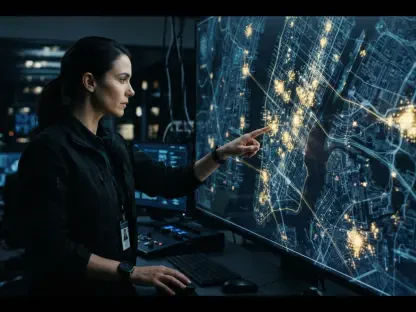
The primary investigation focused on a 2015 Nissan Versa that the owner reported as stolen while parked in Philadelphia. This claim immediately raised red flags for the Special Investigations Unit at Progressive Insurance because the policy had been initiated only three weeks prior to the reported disappearance of the vehicle. To verify the claimant’s story, law enforcement and insurance adjusters turned to License Plate Reader technology, which maintains a vast database of vehicle sightings captured by mobile and stationary cameras. The data revealed a startling discrepancy: the Nissan had been photographed 11 times on a specific street in Philadelphia between September and December 2026. This evidence directly contradicted the owner’s official statement that the car was normally kept at his residence in Lansdale and had only recently been brought to the city. The frequency of these sightings established a pattern of usage that the owner had deliberately failed to disclose during the claim.
When investigators eventually tracked down the Nissan Versa, the physical condition of the car told a story far different from a standard vehicle theft. The car was discovered with a flat tire and significant undercarriage damage that appeared to have been sustained long before the date it was reported missing. During the subsequent interrogation, the owner’s narrative began to crumble as he provided several conflicting explanations for why his car was frequently seen in a neighborhood he initially claimed to be unfamiliar with. He first suggested he had no knowledge of the area, then pivoted to say his girlfriend lived nearby, and finally claimed he had the vehicle towed there for repairs by a mechanic. However, he could not provide a coherent explanation for why the vehicle was being monitored by surveillance systems months before the alleged theft took place. This inability to align his testimony with objective digital records provided the evidence needed for the state to move forward.
Pattern Detection: Analyzing Forensic Evidence and Claims
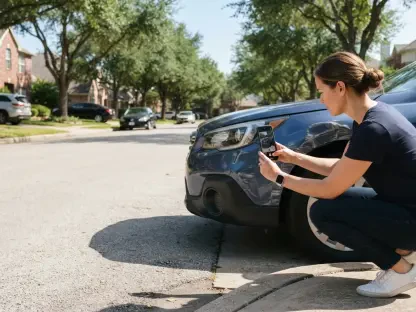
The investigation into the Nissan was not an isolated incident but rather the catalyst for a broader look into the individual’s history with other insurance carriers. Authorities discovered a suspicious pattern involving a 2014 Subaru Impreza where the owner had allegedly misrepresented the timeline of a previous theft. Furthermore, a recent claim filed with Erie Insurance involved a Honda Civic that was supposedly involved in a hit-and-run accident in July 2026. Forensic experts who examined the vehicle determined that the structural damage reported was actually the result of an accident that had occurred at least two months prior to the date cited in the claim. This older damage had already rendered the vehicle undrivable, making the claimant’s story about a recent collision mathematically and mechanically impossible. When pressed for details about the vehicle that struck him, the claimant was unable to provide any descriptions, which finally confirmed the deception.
The legal proceedings concluded with the arrest of the suspect, who faced multiple felony counts including insurance fraud and theft by deception. This case demonstrated that the integration of cross-carrier data sharing and modern forensic techniques provided an insurmountable barrier for those attempting to exploit the system. For the insurance industry, the actionable takeaway was the necessity of maintaining a unified database of vehicle sightings and previous claim histories to flag anomalies in real-time. The successful prosecution of this case relied heavily on the fact that physical evidence and digital timestamps were prioritized over subjective claimant testimony. Moving forward, companies were encouraged to invest more heavily in license plate integration and forensic training for their adjusters to ensure that fraudulent patterns were identified before payments were issued. By leveraging these technological tools, the state was able to protect the integrity of the insurance market for the common good.