
With years of experience navigating the rapid evolution of wearable technology, our guest today has witnessed the transition of fitness trackers from simple pedometers to sophisticated medical-grade diagnostic tools. From the early days of bulky plastic wristbands to the sleek titanium rings and repairable smartwatches of today, their insights help consumers bridge the gap between complex data and daily wellness. We delve into the current landscape of the market, exploring how artificial intelligence is reshaping health coaching, the importance of physical design in long-term habit formation, and the critical balance between feature-rich hardware and the growing demand for privacy and subscription-free experiences.
The following discussion examines the shift toward personalized wellness metrics like recovery scores and readiness reports, the emergence of specialized devices for niche activities such as high-altitude climbing and scuba diving, and the rising concern over the environmental and chemical impact of the materials we wear against our skin. We also touch upon the diverging paths of the major ecosystem players, from Apple’s focus on clinical certifications to Garmin’s dominance in outdoor endurance and Google’s push for repairability and AI-driven insights.
Many high-end devices now offer optional AI-powered health coaching and personalized advisors. How do these intelligent features change the way a typical user interacts with their health data compared to the static charts of previous generations?
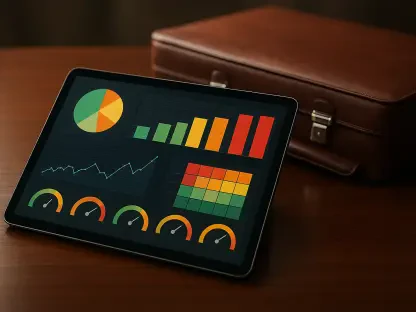
The move toward AI-powered health coaching, like we see in the Google Fitbit Air or the Oura Advisor, represents a fundamental shift from raw data to actionable narratives. For a long time, trackers just threw numbers at you—perhaps telling you that you hit 10,000 steps or slept for 7 hours—but they didn’t explain the “why” behind the physical fatigue you felt. Now, these tools provide adaptive feedback and personalized check-ins that can actually identify long-term patterns across your data to tell you if you are getting sick or just overtrained. It feels less like an cold spreadsheet on your wrist and more like a gentle guide that nudges you toward better choices based on your specific habits and goals. However, as I saw with the Google Pixel Watch 4, it can feel a bit strange at times if you aren’t comfortable taking life advice from a chatbot, even if the recommendations are intuitive and consider factors like recent illness or changes in your routine.
With the introduction of the Oura Ring 5 and the screenless Fitbit Air, there seems to be a significant trend toward “invisible” wearables. Why is the industry moving away from the traditional screen-heavy smartwatch for fitness tracking?
Design is becoming as important as the sensors themselves, especially when you consider that the latest Oura Ring 5 is now 40 percent smaller than its predecessor and crafted from durable titanium. People are increasingly tired of the “glass slab” look and are gravitating toward devices that disappear into their routine, like the 12-gram Fitbit Air, which is the lightest model in their history. There is a visceral, tactile satisfaction in wearing a device that doesn’t constantly buzz with notifications or blind you with a bright AMOLED screen in the middle of the night. This screen-free trend is perfect for those who want a consistent record of their health—heart rate, sleep, and activity—without the digital noise and anxiety that usually comes with modern technology. It allows the user to focus on the physical sensation of their workout rather than chasing a closing ring on a display.
Garmin has long been a favorite for enthusiasts, but their pricing can be steep. For someone looking at a midrange option like the Vivoactive 6, what makes it stand out against the more affordable competitors?
The Garmin Vivoactive 6 strikes a really impressive balance at the $300 price point because it brings professional-grade accuracy to a body that actually looks good on a normal wrist. One of its biggest emotional draws is the “Morning Report,” which greets you with your sleep data and recovery status, making you feel prepared before your feet even hit the floor. Unlike many other brands that gate their best insights behind a monthly fee, Garmin’s core Connect platform remains free, which is a huge relief for people who are tired of being “subscription-ed” to death. You get sophisticated algorithms like Body Battery and built-in satellite connectivity without needing a $10-per-month commitment just to see your own stats. It’s a reliable, sturdy tool that feels like a long-term investment rather than a disposable piece of tech.
Apple recently introduced hypertension notifications in the Series 11, and other brands are adding features like blood oxygen and temperature sensing. How significant are these medical-grade alerts for the average consumer?
These features are transforming wearables from fitness toys into legitimate early-warning systems for serious health issues. The FDA-cleared hypertension notifications on the Apple Watch Series 11 are a standout because they monitor your signs for 30 days before alerting you to potential high blood pressure, which can be a life-saving catch for someone who doesn’t visit the doctor regularly. We are also seeing things like the Withings ScanWatch 2 using its HealthSense 4 operating system to anticipate when you might be getting sick based on subtle temperature fluctuations. It’s incredibly reassuring to have a device that watches your back while you sleep, even if some of these metrics—like the 24-hour battery life on the Apple Watch—still require a bit of daily charging discipline. These aren’t just gadgets anymore; they are becoming essential tools for preventative healthcare that provide peace of mind to millions of users.
For serious outdoor adventurers, the Garmin Fenix 8 and the Samsung Galaxy Watch Ultra seem to be competing for the same wrist. How do you choose between a dedicated adventure watch and a ruggedized version of a standard smartwatch?
The choice really comes down to whether you prioritize a seamless smartphone extension or a dedicated survival tool. The Garmin Fenix 8 is a beast of a watch with leak-proof buttons for scuba diving and proprietary off-grid maps that include everything from ski resorts to golf courses. If you are heading 9,000 meters up a mountain or out into the backcountry where there’s no cell service, you want that Fenix 8 Pro with its two-way satellite messaging. Samsung’s Galaxy Watch Ultra, on the other hand, is a very capable “rip-off” of the Apple Watch Ultra, offering a sapphire glass face and 10 ATM water resistance, but it still only lasts about two days on a charge. If your “adventure” is a weekend hike with a clear path, the Samsung is great; if your adventure involves being off the grid for a week, you need the Garmin’s massive battery life and dedicated navigation tools.
Repairability is a rare word in the world of wearables, but the Google Pixel Watch 4 is making headlines for its partnership with iFixit. Does this mark a turning point for the industry’s approach to sustainability?
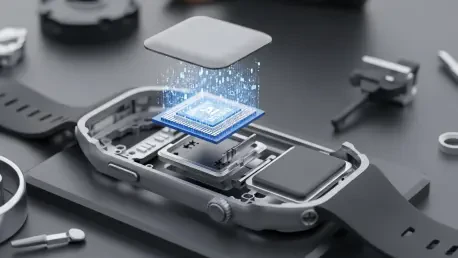
The fact that Google sells replacement parts like batteries and domed displays on iFixit for the Pixel Watch 4 is a massive win for consumers and the planet. Usually, when a smartwatch battery dies after two or three years, the whole $350 device ends up in a drawer or a landfill because it’s glued shut. By making the hardware repairable, Google is acknowledging that these devices are expensive investments that should last more than a single product cycle. It changes the emotional relationship with the device—you feel more like an owner and less like a temporary user of a disposable piece of plastic. I hope this pressures brands like Apple and Samsung to move away from their “replace, don’t repair” models, especially as consumers become more conscious of the environmental footprint of their electronics.
We’ve seen some criticism of specialized features like Samsung’s “Antioxidant Index” or “Vascular Load.” Are we reaching a point where companies are adding sensors just for the sake of marketing?
There is definitely a risk of “feature creep” where marketing claims outpace the actual science of the sensors. During testing of the Samsung Galaxy Watch 8, the Antioxidant Index—which is supposed to tell you if you’re eating enough fruits and vegetables—gave results so wildly inaccurate it was almost comical, suggesting more canned pumpkin was needed despite a diet of fresh summer berries. Similarly, the FDA has recently warned companies like Whoop about making marketing claims for features like blood pressure monitoring without proper clearance. When a device gives you advice that feels “off-base,” it erodes the user’s trust in the more important data, like heart rate or sleep tracking. Brands need to be careful that they don’t turn their sophisticated wellness tools into digital fortune-tellers that prioritize “cool” metrics over clinical accuracy.
There is a growing concern regarding “forever chemicals” like PFHxA in wearable wristbands. What should concerned users look for when choosing a device and its accessories?
This is a serious issue that often gets overlooked in favor of screen specs and battery life. A 2024 study highlighted that fluoroelastomer bands—that soft, flexible synthetic rubber many brands use—often contain high levels of PFHxA, which can impact your immune and thyroid systems. To stay safe, you should check if the company explicitly states their products are PFAS-free, as Garmin has done with their watches. If you aren’t sure, the beauty of the modern wearable market is that most devices allow you to swap out the proprietary bands for safer materials like metal, leather, or standard silicone. It’s a small extra step, but replacing a potentially toxic band with a leather or nylon strap is a simple way to ensure your health tracker isn’t actually introducing new risks to your body.
Kids are a growing demographic for these devices with products like the Fitbit Ace LTE. How do these trackers manage the balance between encouraging activity and keeping children safe and engaged?
The Fitbit Ace LTE is really the first one to get the formula right by turning fitness into a literal game. It uses the “Fitbit Arcade” to reward kids with movement-based games, so they actually want to stay active to progress in their digital worlds. From a parent’s perspective, the inclusion of an LTE connection is a game-changer because it allows for calling and texting approved contacts without the need for a full smartphone, which can be a distraction for a younger child. Using the Google Find Hub, you can track their location and manage who they talk to, providing a safety net that feels helpful rather than intrusive. It’s a brilliant way to build healthy habits early on while giving parents the peace of mind they need in a connected world, even if it does require a $10 monthly subscription to keep all those features active.
What is your forecast for the future of the fitness tracker market?
I believe we are entering an era of “specialized invisibility” where the one-size-fits-all smartwatch will begin to lose ground to highly tuned, discreet devices. In the next few years, I expect smart rings like the Oura to become as common as wedding bands, eventually integrating advanced features like the blood pressure signals we’re just starting to see. We will also see a deeper integration of AI that doesn’t just react to what you did yesterday but predicts your physical state days in advance, much like the predictive algorithms in the Withings ScanWatch 2. Finally, as sustainability becomes a primary consumer demand, I forecast that repairability will move from a niche feature to a mandatory industry standard, with devices lasting five to seven years instead of two. The future of wearables isn’t just about more data; it’s about more meaning, more longevity, and less physical intrusion into our lives.