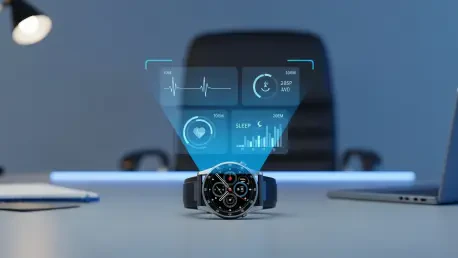

The era where a wearable device was judged solely by its bezel material or battery longevity has officially ended, replaced by an age where code defines the athlete. Industry observers have noted that the fundamental value of a premium wearable is now determined more by its digital agility than its physical durability. Garmin has successfully transitioned from a hardware-centric focus to a model that prioritizes continuous firmware evolution. This strategic shift allows older devices to remain relevant while providing new flagship models with a suite of features that evolve long after the initial purchase. By focusing on the ecosystem rather than just the casing, the brand has created a platform where performance metrics are constantly refined through cloud-based updates.
This evolution is not merely an aesthetic choice but a necessary defense against the encroachment of tech giants such as Apple and Samsung. These competitors have made significant strides in the premium outdoor sector, forcing a response that emphasizes deep, specialized data over general smartwatch utility. For high-performance users, the value lies in a device that understands the nuances of an endurance workout better than a multi-purpose gadget. Consequently, the emphasis has shifted toward maintaining a software advantage that keeps the most dedicated athletes within the Garmin environment.
The integration of sophisticated digital tools into the Garmin Connect environment marks the beginning of a more holistic approach to health. Moving beyond heart rate and pace, the platform now incorporates behavioral analytics and specialized health science into its daily feedback loop. This transition signals an attempt to merge the physical data collected by the sensors with the lifestyle choices made by the user, creating a comprehensive overview of human performance that was previously only available to professional sports teams.
The New Frontier of Physiological Intelligence
Bridging the Gap Between Macronutrients and Performance Metrics
The introduction of the integrated Nutrition Tracking system represents a major milestone in physiological monitoring, though it comes with inherent technical hurdles. Industry experts point out that while AI-based camera recognition can identify basic food items, the complexity of diverse diets often leads to logging friction. High-performance athletes require precise data, yet the transition from manual logging to automated visual recognition is still in a refinement phase. The ability of the software to distinguish between various macronutrient ratios based on a single image remains a primary area of focus for ongoing updates.
To manage this advanced functionality, a shift toward a tiered subscription model known as Connect+ has emerged. This move aligns the platform with other standalone diet applications, offering a consolidated space for both caloric intake and expenditure. Some analysts suggest that this strategy is designed to create a more sustainable revenue stream that supports long-term software development. By housing these tools within the same app that tracks recovery and training, the ecosystem offers a level of integration that external apps often struggle to replicate due to data-sharing limitations.
However, the challenge of data siloing persists, as users often find it difficult to maintain consistent logging habits when the process feels manual. The friction inherent in current workflows can lead to incomplete datasets, which in turn affects the accuracy of the predictive performance models. For the athlete, the goal is a seamless experience where the watch understands the fuel being consumed as well as it understands the calories being burned. Achieving this requires a delicate balance between sophisticated backend processing and a user-friendly interface that minimizes the effort required to document daily intake.
Democratizing Elite Coaching Through Adaptive Digital Trainers
The expansion of the Garmin Coach platform has broadened the scope of digital guidance to include functional longevity and general wellness. No longer restricted to marathon or cycling training, the software now provides adaptive plans for users focused on overall health and aging gracefully. This shift acknowledges that the majority of wearable users are not professional athletes but individuals seeking to maintain physical competence over several decades. By offering these specialized routines, the platform caters to a much wider demographic while maintaining its reputation for elite-level science.
The implementation of on-screen form animations and equipment-flexible workouts has significantly altered the role of the wearable during a strength session. These visual aids help users maintain proper technique without the need for a physical personal trainer, making high-quality instruction accessible at any time. This capability is particularly useful for those who travel frequently or prefer to train in varied environments. The flexibility to swap exercises based on available equipment—be it a full gym or a pair of resistance bands—ensures that the training program remains effective regardless of external circumstances.
Providing these high-quality training plans for free serves as a formidable moat against third-party fitness applications that require monthly fees. As subscription fatigue becomes a reality for many consumers, the value of a comprehensive, no-cost training suite included with the hardware becomes increasingly apparent. This strategy ensures that the user remains deeply embedded in the brand’s digital ecosystem, as the cost of switching to a competitor would involve not just purchasing a new device but also losing years of personalized training history and coaching data.
Granular Asset Management for the Data-Driven Athlete
Asset management has evolved from simple shoe mileage trackers to a complex system for monitoring high-value sports equipment. Users can now establish maintenance schedules for a wide array of gear, including bicycles, rackets, and surfboards, ensuring that every piece of equipment is in optimal condition. This granular level of tracking allows athletes to receive notifications when a component is nearing the end of its lifespan, such as a bike chain or the strings on a tennis racket. By automating this oversight, the software reduces the risk of mechanical failure during critical training sessions or competitions.
Predictive maintenance plays a crucial role in preventing sports-related injuries that often stem from worn-out equipment. For instance, the system can analyze the impact patterns and mileage on a specific pair of running shoes to suggest when the cushioning has degraded beyond a safe threshold. This technical granularity reinforces the brand’s identity as the primary choice for serious hobbyists who view their equipment as an extension of their physical performance. It transforms the watch from a simple data collector into a management tool for the athlete’s entire physical infrastructure.
This focus on equipment longevity also highlights the professional utility of the platform. By providing a centralized hub for gear oversight, the software simplifies the logistical burden that often accompanies multi-sport training. Professionals and serious amateurs alike benefit from a system that tracks the lifecycle of every asset, ensuring that nothing is overlooked. This level of detail is a key differentiator in a market where many competitors focus primarily on the aesthetics of the device rather than the practicalities of the sport.
Quantifying the Subjective via Behavioral and Circadian Insights
The Lifestyle Logging feature represents a bold attempt to correlate subjective daily habits with objective physiological metrics. By prompting users to record factors such as caffeine intake, alcohol consumption, and perceived stress, the software can provide a clearer picture of why the Body Battery fluctuates. Analysts observe that this context is essential for understanding the relationship between lifestyle and recovery. For many, seeing a direct visual link between a late-night meal and a lower recovery score provides the necessary motivation to adjust daily habits for better performance.
Rollouts of Sleep Alignment technology further enhance this by focusing on biological rhythms rather than just sleep duration. This system relies on a three-week baseline to establish the user’s natural circadian patterns, offering guidance on when to sleep and wake to maximize restorative processes. This level of insight is particularly valuable for shift workers or frequent travelers who struggle with maintaining a consistent schedule. The software’s ability to interpret high-accuracy heart rate variability (HRV) data allows it to offer suggestions that are grounded in the user’s actual biological state.
Despite these advancements, a critique remains regarding the balance between the burden of manual data entry and the utility of the insights provided. While HRV sensors offer incredibly accurate objective data, the “human” element of the equation still requires active participation. Developers are continuously working to reduce this friction, utilizing predictive algorithms to guess behaviors based on previous patterns. For the data-driven athlete, the trade-off between the effort of logging and the clarity of the resulting insights is usually acceptable, provided the feedback is actionable and leads to measurable improvements in well-being.
Strategic Recommendations for Navigating the 2026 Ecosystem
Adopting a “data-first” mindset is the most effective way for users to leverage the full predictive power of the updated Garmin suite. To get the most out of the system, it is recommended that athletes prioritize consistency in their logging habits, particularly regarding subjective metrics like stress and nutrition. By providing the AI with a steady stream of high-quality data, the insights generated become significantly more accurate and personalized. This approach transforms the wearable from a passive tracker into a proactive consultant that can warn of impending burnout or suggest optimal training windows.
To minimize logging friction, users should take advantage of preset responses and optimize their equipment profiles during the initial setup phase. Streamlining the interaction with the device ensures that data entry does not become a chore that is eventually abandoned. It is also beneficial to utilize the automated features of the gear tracker, allowing the watch to handle the technical oversight of equipment mileage without constant manual intervention. High-level athletes find that the more they automate the “boring” aspects of data collection, the more they can focus on the actual training.
Furthermore, integrating circadian health insights into long-term recovery and travel strategies can yield substantial benefits for performance. For those who frequently cross time zones, following the watch’s suggestions for light exposure and sleep timing can significantly reduce the recovery period associated with jet lag. By aligning training loads with the body’s natural biological clock, users can ensure they are pushing their limits when their physiology is most prepared to handle the stress. This strategic application of data is what separates the casual user from the professional who utilizes the ecosystem to its fullest potential.
The Future of Proactive Health Coaching in the Garmin Universe
The maturation of Garmin into a proactive health advisor marked a significant shift in how wearable technology functioned. The ecosystem moved beyond reactive data collection, becoming a system that anticipated physiological needs before the user even recognized them. This software-driven value sustained brand loyalty in a market where hardware differences were increasingly minimal. The integration of AI-enhanced insights allowed for a more seamless experience, where the boundary between the device and the athlete’s lifestyle became virtually indistinguishable.
Industry leaders observed that the transition toward a holistic coaching model provided users with a level of scientific oversight that was once exclusive to elite training centers. The platform successfully merged nutritional data, equipment management, and behavioral analytics into a single, cohesive narrative. This transformation was essential for maintaining a competitive edge against general-purpose smartwatches. Ultimately, the focus on deep, actionable intelligence ensured that the wearable remained the central hub for anyone serious about their health and performance.
The conclusion of this phase of digital development showcased a vision of a world where technology acted as a silent partner in the pursuit of physical excellence. Users found that the software not only tracked their progress but also actively protected their well-being by monitoring subtle changes in their biological rhythms. This proactive stance on health management redefined the expectations for what a wearable could achieve. The ecosystem served as a testament to the power of code in elevating the human experience, proving that the most important part of a watch was not the glass or the steel, but the intelligence within it.