
Modern dermatological care has undergone a radical transformation as the boundary between professional clinical treatments and domestic self-care continues to evaporate into a landscape of high-performance photonic devices. The rapid integration of Light-Emitting Diode (LED) technology into portable hardware marks a pivot toward biological optimization through light. This shift is not merely a matter of convenience; it represents a fundamental change in how chronic skin conditions and cellular aging are managed. By leveraging specific wavelengths, these devices stimulate natural regenerative processes without the thermal damage or downtime associated with traditional laser procedures.
The transition from clinical phototherapy booths to sophisticated home-based masks has been fueled by advancements in semiconductor efficiency. Photobiomodulation, the underlying mechanism, involves the absorption of photons by cytochrome c oxidase within the mitochondria. This interaction accelerates the production of adenosine triphosphate (ATP), effectively “recharging” the cells to facilitate faster repair and enhanced metabolic function. As this technology matures, it offers a credible, drug-free alternative for individuals seeking to manage inflammation and structural skin decline through a non-invasive medium that respects the integrity of the skin barrier.
Introduction to Light-Emitting Diode Intervention
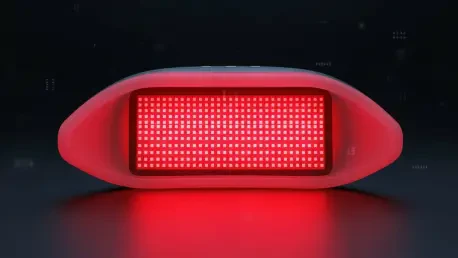
The core principles of photobiomodulation have historically been confined to the controlled environments of dermatology clinics, where large-scale panels delivered specific light dosages to treat patients. However, the engineering required to miniaturize these systems has finally reached a point of parity with professional equipment. Modern home devices utilize high-density LED arrays that ensure uniform energy delivery, often referred to as irradiance, across the entire treatment area. This evolution has democratized access to medical-grade light therapy, allowing for consistent, daily application which is often more effective for chronic conditions than sporadic professional visits.
Beyond simple illumination, these devices represent a convergence of biotechnology and consumer electronics. They serve as a critical tool in the broader technological landscape, addressing the rising demand for preventative healthcare solutions that minimize reliance on systemic pharmaceuticals. By targeting cellular mechanisms directly, LED intervention provides a prophylactic approach to skin health, reinforcing the tissue’s resilience against environmental stressors and biological aging. This transition signifies a move toward more sustainable, long-term health management strategies that empower individuals to take control of their physiological well-being through advanced engineering.
Specialized Wavelengths and Engineering Components
Antibacterial and Anti-Inflammatory Spectrums
The efficacy of any light therapy device is strictly governed by the precision of its emitted wavelengths. Blue light, specifically at the 415nm peak, is engineered to target the porphyrins within Cutibacterium acnes bacteria. When these porphyrins absorb the blue light, they produce singlet oxygen, which effectively destroys the bacteria from the inside out. This photodynamic reaction is highly specific, meaning it eliminates the primary cause of inflammatory lesions without disrupting the surrounding healthy skin flora or causing the dryness often associated with topical antimicrobial agents.
In contrast, the red light spectrum, ranging from 630nm to 660nm, focuses on the inflammatory response and cellular energy. These wavelengths penetrate deeper into the dermis, where they interact with mitochondrial enzymes to dampen the production of pro-inflammatory cytokines. This reduction in inflammation is crucial not only for calming active breakouts but also for preventing the degradation of collagen fibers. By stabilizing the inflammatory environment, red light therapy creates a foundation for structural repair, ensuring that the skin’s surface remains smooth and resilient during the healing process.
Advanced Near-Infrared (NIR) Integration
As the industry moves toward more comprehensive skin health solutions, the integration of Near-Infrared (NIR) wavelengths, typically between 830nm and 1072nm, has become a hallmark of premium hardware. These wavelengths exist just beyond the visible spectrum and possess a unique ability to penetrate the deepest layers of the skin, including the hypodermis. At these depths, NIR light promotes the synthesis of new collagen and elastin fibers, which are the structural proteins responsible for skin elasticity and firmness. The engineering required to balance NIR output with visible red light is complex, as it necessitates precise thermal management to ensure the device remains safe for prolonged contact.
The significance of NIR integration lies in its ability to support the skin’s basement membrane and overall barrier function. While red light addresses superficial inflammation, NIR provides the “heavy lifting” for long-term tissue remodeling. This deep dermal penetration is essential for addressing more stubborn issues like post-inflammatory erythema and structural thinning. By incorporating these invisible wavelengths, manufacturers provide a multi-layered treatment approach that mimics the complexity of professional-grade laser systems, albeit at a lower energy density that is optimized for frequent, safe use at home.
Ergonomic Design and User Interface
Technical specifications are only as effective as the user’s willingness to adhere to a treatment protocol, which is why ergonomic design has become a primary focus for current hardware. The transition from rigid, heavy plastic masks to flexible, medical-grade silicone has revolutionized user compliance. Silicone masks conform to the unique contours of the individual face, ensuring that the LEDs remain at a consistent distance from the skin. This proximity is vital for maintaining the intended irradiance, as the intensity of light decreases significantly with even minor gaps between the source and the target tissue.
Modern user interfaces have also seen significant upgrades, moving toward hands-free controller systems and integrated eye protection. Integrated silicone goggles or blackout shields are now standard, mitigating the risks of eye strain or retinal irritation from high-intensity LEDs. Furthermore, the development of rechargeable, clip-on controllers allows users to remain mobile during their ten-minute sessions. These engineering refinements address the “friction” of traditional treatments, transforming a clinical necessity into a seamless part of a daily routine. This focus on the user experience ensures that the underlying technology can deliver its full biological potential through consistent application.
Current Innovations and Industry Trends
One of the most notable shifts in the current landscape is the emphasis on “wearability” and structural stability. Previous iterations of LED masks often suffered from poor weight distribution, leading to discomfort and inconsistent light titration. In response, manufacturers have introduced three-strap secure systems and ventilated “hard shell” designs. These innovations ensure that the device remains centered even when the user is upright, while the ventilation prevents the buildup of humidity and heat, which can be counterproductive for those with sensitive or acne-prone skin.
There is also a clear trend toward specialized devices over generic “all-in-one” tools. While multi-spectrum masks exist, the market is increasingly favoring hardware that allows users to toggle between specific modes, such as active acne management or long-term skin recovery. This specialization acknowledges that skin needs are dynamic; a user may require high-intensity blue light during a flare-up but prefer a recovery-focused NIR session once the inflammation has subsided. This shift reflects a more sophisticated consumer base that understands the nuances of light therapy and demands hardware that can adapt to changing physiological requirements.
Real-World Applications in Skin Health
Clinical-Grade Acne Management at Home
The deployment of devices like the Omnilux Clear has provided a template for how clinical-grade technology can be adapted for home use. By combining 415nm blue light with 633nm red light, these systems provide a comprehensive solution for active acne. The blue light manages the bacterial load, while the red light accelerates the healing of the resulting lesions. This dual-action approach is particularly effective for individuals who are sensitive to traditional acne medications like benzoyl peroxide or retinoids, offering a biological pathway to clear skin without the risk of chemical irritation.
Furthermore, the emergence of hybrid devices has allowed for more precise treatment of different types of acne. For instance, the use of ventilated designs in devices like the iRESTORE Illumina ensures that the skin remains cool, preventing the exacerbation of heat-sensitive conditions like rosacea or cystic inflammation. These real-world applications demonstrate that at-home phototherapy is no longer a “weaker” version of clinical treatment, but rather a specialized modality that offers high levels of bacterial control and inflammatory reduction through persistent, daily intervention.
Post-Inflammatory Recovery and Scarring
Beyond the management of active lesions, light therapy has proven indispensable for the recovery phase of skin health. Post-inflammatory hyperpigmentation (PIH) and scarring are often the most difficult aspects of acne to treat. NIR technology, especially when delivered via high-density silicone masks, focuses on the remodeling of the extracellular matrix. By stimulating the production of collagen, these devices help to “plump” the skin from within, reducing the appearance of atrophic scars and refining overall skin texture.
This application is particularly relevant for individuals dealing with the lingering marks of past flares. The consistent use of red and NIR light has been shown to accelerate the fading of red and brown spots by improving local microcirculation and lymphatic drainage. As the skin’s repair mechanisms are optimized, the time required for post-acne marks to resolve is significantly reduced. This makes modern LED masks a vital tool for long-term skin maintenance, ensuring that the clarity of the complexion is supported by a strong, healthy dermal structure.
Challenges and Technical Hurdles
Despite the advancements in photobiomodulation, significant technical hurdles remain, particularly regarding the cost and consistency of premium hardware. The use of high-grade liquid silicone, which is necessary for both flexibility and hygiene, drives up production costs, making medical-grade devices a substantial investment. Furthermore, ensuring consistent light titration across diverse facial structures is a complex engineering challenge. Variations in nose height, forehead width, and jawline shape can create “hot spots” or areas of low irradiance, which may lead to uneven results if the mask design is not sufficiently adaptable.
There is also an ongoing need for better standardization across the industry. While FDA clearance provides a baseline for safety, it does not always guarantee the highest level of efficacy. The measurement of irradiance—the amount of energy delivered to a specific area of skin—is not always transparently reported by all manufacturers. This lack of standardization makes it difficult for consumers to compare devices objectively. Ongoing development efforts are focused on creating more rigorous testing protocols and ensuring that the stated wavelengths are maintained throughout the lifespan of the device’s LEDs, which can degrade over years of use.
The Future of Phototherapy Technology
The outlook for light therapy is defined by the integration of even more specialized wavelengths and intelligent control systems. One of the most promising breakthroughs is the standardization of “Deep Near-Infrared” (1072nm), a wavelength that has shown exceptional promise in deep tissue repair and barrier support. As manufacturing processes become more efficient, this wavelength is expected to move from a niche luxury feature to a standard component of all high-end skin health devices. This will further enhance the ability of at-home hardware to address deep-seated structural issues that were previously only treatable with professional lasers.
Additionally, the possibility of AI-driven personalized treatment durations is on the horizon. Future devices may incorporate sensors that measure skin hydration, temperature, and even bacterial load, automatically adjusting the light dosage and session time to suit the user’s immediate needs. This level of customization would move light therapy away from a “one-size-fits-all” approach toward a truly personalized medical intervention. Such accessibility to medical-grade technology could significantly reduce the global reliance on systemic antibiotics for skin conditions, offering a sustainable and ecologically friendly alternative to traditional dermatological pharmacology.
Summary and Final Assessment
The assessment of the light therapy sector revealed that these devices reached a state of maturity where they functioned as genuine medical instruments rather than simple cosmetic tools. The engineering community successfully bridged the gap between clinical capability and domestic convenience, providing users with a potent means of biological intervention. It was observed that the most effective devices were those that prioritized specific wavelength precision and high irradiance over marketing gimmicks. While the initial cost of entry remained high, the long-term benefits for skin health and the reduction in topical drug usage justified the investment for a vast majority of users.
Consistency emerged as the most critical factor in the success of these treatments, as the biological changes induced by light were found to be cumulative and gradual. The market in the current era demonstrated a successful balance between immediate bacterial suppression and long-term dermal healing. As technology continues to evolve, the integration of deeper infrared spectrums and smart sensors will likely solidify light therapy as a cornerstone of modern skincare. Ultimately, these devices provided a sophisticated, safe, and highly effective method for maintaining skin integrity, provided that the user maintained a patience-first mindset and adhered to the recommended protocols.