
Smart alarm clocks like the $145 Hatch Restore 3 are transforming morning routines by replacing jarring auditory alarms with biologically synchronized light-based wake-up calls. This evolution in sensory technology serves as a cornerstone for the 2026 Amazon Big Spring Sale, an event that has transitioned from a standard retail promotion into a significant moment for the wellness industry. From March 25 to March 31, the consumer electronics landscape undergoes a profound shift as major manufacturers adjust their pricing to reflect the growing demand for health-integrated lifestyles. The sale represents a critical opportunity for enthusiasts to obtain sophisticated biometric sensors and environmental control systems that were previously restricted by high entry costs. As the market moves through 2026, the focus is increasingly on how these individual gadgets work together within a unified ecosystem of health monitoring. This year’s event highlights a strategic pivot among tech giants like Apple and Samsung, who are now prioritizing software-supported longevity over minor hardware refreshes. By focusing on essential metrics and recovery-based technology, the current sale offers a blueprint for how modern consumers can effectively manage their physical and mental well-being through calculated hardware investments that promise years of utility and data consistency.
Maximizing Value Within the Apple Watch Ecosystem
Comparing High-End and Mainstream Apple Models
The 2026 Spring Sale highlights a fascinating value gap within the Apple Watch lineup, particularly concerning the Ultra series which continues to dominate the premium rugged category. The Apple Watch Ultra 2 has seen a dramatic price reduction to $499, making it a highly attractive alternative to the newer Ultra 3 for most consumers. While the Ultra 3 introduced satellite-based emergency features that are essential for extreme wilderness explorers, the Ultra 2 remains a powerhouse for daily health tracking and supports the latest software updates, including advanced hypertension detection. For those who do not regularly venture into off-grid environments where satellite connectivity is a primary safety requirement, the Ultra 2 currently offers the best performance-to-price ratio. It features the same brilliant 3,000-nit display and robust titanium casing that defined the series, ensuring that users do not sacrifice durability or visibility when opting for the previous generation’s flagship model at a significantly lower cost.
Beyond the rugged tier, the mainstream Series 11 is positioned as the standard-bearer for $329, providing a balance between battery life and comprehensive health sensors. However, the Series 9 has emerged as the clearance star of the current event, with prices dropping from $800 to $419 for cellular models as retailers move to standardize the newer aesthetic across their inventory. This massive price cut allows users to access high-speed connectivity and sophisticated ECG capabilities without the premium associated with the latest release. Even the budget-friendly Apple Watch SE 3 remains a factor at $219, serving as a reliable entry point for those who prioritize essential communication and basic activity tracking over medical-grade sensors. The diversity in pricing during this sale means that the Apple ecosystem is more accessible than ever, allowing families to synchronize their health data across multiple generations of hardware while maintaining a cohesive user experience within the broader iOS environment.
Evaluating Rugged Performance and Legacy Hardware
In the rugged wearable segment, the distinction between the Ultra 2 and the newer models often comes down to specific sensor accuracy and power efficiency during multi-day excursions. The Ultra 2 remains highly relevant in 2026 because its internal architecture was designed to accommodate several years of WatchOS advancements, meaning it currently handles the newest AI-driven recovery insights with ease. Consumers who focus on marathons or weekend hiking trips find that the dual-frequency GPS and the depth gauge for diving are identical to those found in much more expensive current-year iterations. The deep discounts available during the Spring Sale suggest that retailers are eager to clear space for the next wave of wearable innovations, yet the hardware specifications of the Ultra 2 suggest it will remain a supported and capable device until at least 2028. This longevity is a key consideration for savvy buyers who view their wearable as a long-term health partner rather than a yearly fashion accessory.
For the user who does not require a titanium chassis or 60 hours of battery life, the Series 9 clearance deals offer a sophisticated middle ground that should not be overlooked. With the Series 11 now occupying the spotlight, the Series 9 provides a nearly identical feature set for those interested in sleep apnea detection and blood oxygen monitoring. The cellular version’s price drop to $419 is particularly notable, as it provides the freedom of untethered connectivity at a price usually reserved for non-cellular entry-level models. Meanwhile, the Apple Watch SE 3 continues to dominate the value segment by stripping away the more complex health sensors in favor of a fast processor and a reliable display. This makes it an ideal choice for younger users or seniors who need fall detection and heart rate alerts without the complexity of more advanced medical diagnostics. By strategically navigating these tiers, consumers can maximize their investment based on their specific lifestyle needs.
Diversifying Hardware for Android and Fitness Purists
Samsung’s Tactile Innovation and Mechanical Interfaces
For the Android community, Samsung has utilized creative bundling strategies during the 2026 sale, such as pairing the Galaxy Watch Ultra with $100 gift cards to lower the effective price. A significant trend in this ecosystem is the resurgence of the “Classic” design; the Galaxy Watch 8 Classic has remained a favorite due to its physical rotating bezel, a feature that many users find more intuitive than digital alternatives. This mechanical interface provides a tactile navigation experience that is especially useful when wearing gloves or when the screen is wet, cementing its place as a top-tier choice for those who value both form and function. Samsung’s integration of BioActive sensors allows for detailed body composition analysis, a feature that remains a unique selling point for the brand. During this sale, the company is leaning heavily into its software ecosystem, ensuring that older Classic models receive the same wellness AI features as the newer Ultra models, thereby extending the practical life of the hardware.
The success of the Galaxy Watch 8 Classic during this sales period also points to a broader consumer desire for devices that feel like traditional timepieces while offering modern intelligence. The physical bezel is not just a nostalgic choice but a functional one that minimizes accidental touches on the touch-sensitive screen during intense workouts or heavy rain. Furthermore, the 2026 discounts have made the 47mm larger variants more affordable, catering to users who prefer a substantial wrist presence and better legibility. Samsung’s approach to the Spring Sale has been about more than just lowering prices; it has been about solidifying the loyalty of users who appreciate the convergence of mechanical engineering and digital health tracking. By offering these deals, Samsung is effectively competing with specialized fitness brands by providing a device that is versatile enough for the boardroom yet powerful enough for the gym, all while maintaining a competitive price point that challenges the dominance of other high-end manufacturers.
Integrating Minimalist Trackers and Specialized Sensors
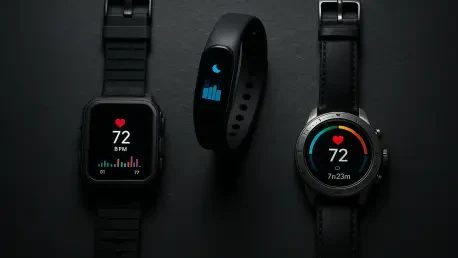
In contrast to the feature-heavy smartwatches, the 2026 sale also showcases a strong demand for minimalist fitness trackers that prioritize discretion and battery longevity over app ecosystems. Fitbit remains the leader in this space, with the Charge 6 and Inspire 3 catering to users who prefer a wearable that does not resemble a miniature smartphone. These devices move away from the “all-in-one” concept, focusing instead on essential metrics like continuous heart rate, sleep stages, and daily readiness scores. This segment appeals to individuals who want to monitor their health data without the constant distractions of notifications or the physical bulk of a large watch. The Charge 6, in particular, has seen its price fall to a point where it is an impulse buy for fitness enthusiasts, offering precise haptic feedback and Google Maps integration in a slim form factor that fits comfortably under a shirt cuff.
The Inspire 3 serves a different but equally important demographic that values simplicity and a battery life that can stretch up to ten days on a single charge. During the Spring Sale, this device is being marketed as the ultimate entry-level tracker for those who are just beginning their fitness journey or for users who want to supplement their high-end smartwatch with a lighter alternative for sleep tracking. The shift toward these smaller devices reflects a growing trend of “wearable fatigue,” where consumers are looking for ways to stay connected to their health data without feeling tethered to their digital lives. By offering deep discounts on these specialized trackers, brands are able to capture a segment of the market that values long-term comfort and data accuracy over the ability to make phone calls from their wrist. This diversity in the fitness tracker market ensures that there is a solution for every level of technical comfort and every specific health goal.
Enhancing Recovery and Strategic Health Purchasing
Improving Sleep Hygiene and Audio Isolation
Beyond daytime tracking, the 2026 Spring Sale marks the rise of specialized recovery tech as a central component of the modern fitness routine, with sleep optimization tools leading the charge. The Ozlo Sleepbuds have gained significant traction by solving the physical discomfort associated with wearing standard headphones overnight, a problem that has plagued the industry for years. Designed specifically for side-sleepers using breathable materials and a low-profile shape, these buds represent a shift toward wearable technology that prioritizes long-term physical comfort during the crucial eight-hour sleep cycle. Unlike standard noise-canceling headphones, these are tuned to mask environmental disturbances like snoring or traffic with soothing, science-backed soundscapes. The sale has brought these premium sleep aids into a more accessible price bracket, allowing users to invest in their rest with the same level of seriousness they apply to their active workouts.
Environmental wellness is also at the forefront of the current deals, particularly regarding the integration of light therapy into the home environment. The Hatch Restore 3 has become a standout product for its ability to simulate natural sunrises, a feature that users report leads to better morning moods and sharper cognitive function compared to traditional, abrupt auditory alarms. When paired with light therapy lamps like those from Carex, these tools are marketed as essential for managing seasonal wellness as consumers transition into the brighter months. The Spring Sale provides the perfect opportunity to upgrade a bedroom into a recovery sanctuary, where technology works passively to regulate circadian rhythms and reduce the stress of the morning wake-up process. This holistic approach to health acknowledges that what happens during the night is just as important for longevity as the steps tracked on a wrist during the day.
Navigating Market Trends and Software Longevity
One of the most significant takeaways from the 2026 sales data is the concept of software parity and its impact on consumer purchasing behavior. Because many new health features, such as advanced sleep analysis and hypertension monitoring, are delivered via software updates to older hardware, the necessity of owning the absolute latest model has diminished for the average user. Smart consumers are finding they can save hundreds of dollars by purchasing one generation behind the current flagship without sacrificing the data insights that matter most for their personal health journeys. This shift represents a maturing of the market where the quality of the data and the longevity of the battery are valued more than the novelty of a new design. Retailers have responded by offering some of the best deals on mid-tier hardware that still offers a premium experience, proving that high-end wellness is no longer reserved for those with the largest budgets.
The methodology behind identifying these deals goes beyond simple percentage discounts and requires a look at historical price tracking and hands-on durability testing. Analysts have noted that the most valuable purchases in 2026 are those that offer a clear path for future software support and have a proven track record of sensor reliability. The focus remains on durability, battery longevity, and the likelihood of the device remaining compatible with the next two iterations of mobile operating systems. Ultimately, the 2026 Spring Sale demonstrated that the modern consumer is increasingly focused on a holistic ecosystem where recovery, environmental factors, and specialized hardware are just as important as the activity metrics. The trend toward purchasing legacy flagships at a discount showed that value was found in the intersection of proven hardware and cutting-edge software updates. This approach empowered individuals to take control of their long-term wellness without the need for constant, expensive upgrades, effectively democratizing access to high-quality health data.