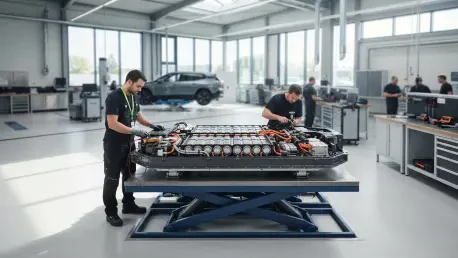

Prospective car buyers must account for the fact that high-performance electric vehicle battery packs can cost upwards of fifteen thousand dollars to replace after an accident. This startling figure often dictates whether an insurance adjuster deems a vehicle a total loss or a candidate for repair, directly impacting the premiums paid by the policyholder. As of 2026, the gap between the most economical and the most expensive vehicles to insure has widened to an unprecedented degree, reaching annual differences of over four thousand dollars. While many consumers focus primarily on the monthly payment or the total sticker price at the dealership, the hidden fiscal reality of comprehensive coverage can shift the long-term value proposition of a new purchase. The disparity is driven by a complex interplay of crashworthiness, market value, and the sophistication of onboard systems. Consequently, the choice of a specific model within a segment is no longer just about personal preference but is a critical financial decision that influences a household’s annual budget.
Economic Disparities: The Financial Spectrum of Automobile Ownership
Market Entry: Comparing Compact SUVs and High-Performance Sedans
Within the current marketplace, compact and mid-sized SUVs have established themselves as the most budget-friendly options for insurance seekers. Models such as the Subaru Crosstrek, Jeep Wrangler, and Honda CR-V consistently occupy the lower end of the pricing spectrum, with annual premiums hovering around the twenty-three hundred dollar mark. These vehicles are favored by underwriters because they possess a specific combination of traits that mitigate financial risk. High safety ratings from independent testing agencies indicate that these cars protect occupants well, thereby reducing potential medical claim costs. Additionally, these models typically feature modest horsepower ratings, which statistically correlate with a lower frequency of high-speed collisions. Because they are designed for utility and family transport rather than aggressive driving, insurers view them as lower-liability assets, which allows for the maintenance of competitive rates for drivers with clean records across the nation.
Luxury Premiums: Statistical Risks and the Performance Burden
In stark contrast to the utilitarian SUV segment, the high-performance luxury market presents a vastly different financial landscape for owners. Vehicles like the BMW M8 Gran Coupe and the M5 can see annual insurance costs soaring toward sixty-seven hundred dollars, creating a gap of nearly forty-five hundred dollars compared to more modest alternatives. This steep premium is a direct reflection of the immense market value and the high-performance capabilities inherent in these machines. High-horsepower engines are often associated with more severe accidents, while the specialized components required for repair necessitate expensive labor from certified technicians. Furthermore, luxury vehicles remain primary targets for sophisticated theft rings, which forces insurance companies to price in the increased likelihood of a total loss claim. The prestige associated with such brands comes with an underlying fiscal burden that extends far beyond the initial down payment or the recurring monthly loan installments.
Cost Drivers: Technical and Structural Influences on Rates
Modern Engineering: Technological Complexity and Component Replacement
The evolution of automotive technology has fundamentally altered the math behind repair estimates, leading to higher premiums across the board. Modern windshields provide a perfect example of this shift, as they are no longer just pieces of glass but are now integrated platforms for advanced driver assistance systems. A standard replacement that might have cost a few hundred dollars in the past now often triples in price because of the inclusion of rain sensors, heating elements, and cameras that require precision recalibration. Similarly, high-performance electric vehicles face steep premiums because their battery packs are incredibly expensive to replace, often leading to a total loss designation after even moderate accidents. This technological density means that minor cosmetic damage can easily turn into a multi-thousand-dollar claim. Insurers must account for these complexities when setting rates, as the probability of a high-cost repair is significantly greater today than it was during the previous decade.
Market Analysis: Strategic Planning for Long-Term Costs
Ultimately, the investigation into vehicle insurance costs demonstrated that the total expense of ownership required a multi-faceted analysis of both reliability and protection. While certain models appeared affordable at the point of purchase, the investigation revealed that high maintenance costs often offset low insurance premiums. For instance, brands like Subaru ranked in the more expensive half for long-term maintenance despite their low insurance rates, whereas Toyota offered a more balanced profile. Experts suggested that prospective buyers perform comprehensive due diligence by obtaining specific quotes based on their zip code and driving history before finalizing any deal. This proactive approach allowed consumers to navigate the massive price gaps found in the 2026 market. By prioritizing vehicles with high safety ratings and manageable repair costs, owners successfully aligned their automotive choices with their broader financial goals. The final recommendation encouraged a shift toward total cost awareness to ensure long-term fiscal stability.