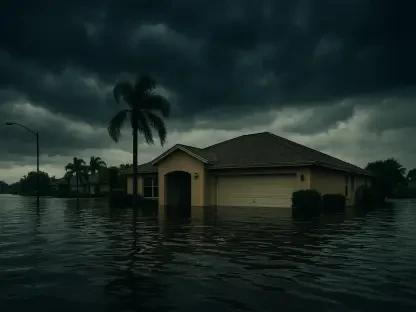

A sudden downpour in the middle of a meticulously planned tropical excursion or a record-breaking heat wave in the heart of a European summer can instantly transform a long-awaited vacation into a test of physical and emotional endurance. For decades, travelers viewed insurance as a safety net reserved exclusively for catastrophic events like medical emergencies, lost luggage, or total trip cancellations caused by hurricanes or blizzards. However, the travel landscape has shifted significantly since 2026, as volatile global weather patterns and more frequent climate disruptions have made mid-range trips feel increasingly vulnerable to environmental factors. Travelers now face a new reality where the success of a trip often hinges on the quality of the daily experience rather than just the arrival at a destination. This evolution in consumer expectations has paved the way for a revolutionary approach to protection that moves beyond the rigid boundaries of traditional coverage. Instead of focusing solely on financial recovery from disasters, modern travelers are seeking ways to safeguard the joy and comfort of their time away from home.
The Evolution of Weather Coverage: From Catastrophe to Comfort
Traditional travel insurance has historically relied on a strict definition of “inclement weather,” which typically requires a severe weather event to halt transportation or render a destination uninhabitable before a claim can be triggered. These legacy policies are designed to cover significant financial losses, such as non-refundable airfare or hotel deposits, but they offer no recourse for the “mood-ruining” afternoon thunderstorm or the oppressive humidity that keeps a family trapped in a hotel room instead of exploring a theme park. For most vacationers, the frustration lies not in the total cancellation of the trip, but in the diminished quality of the activities they traveled hundreds of miles to enjoy. This gap between traditional coverage and consumer needs has become more pronounced as data from specialized firms shows that nearly 80% of modern travelers now rank weather as their primary concern, placing it on par with the total cost of the trip itself.
Building on this shift in priorities, the industry has seen the emergence of “weather guarantee” products that operate independently from standard travel insurance. Unlike the cumbersome process of filing a claim for a canceled flight, these newer models focus on specific environmental thresholds that impact the usability of an experience. For instance, a traveler booking a golf outing or a boat tour can now purchase protection that triggers a payout if rainfall exceeds a few millimeters or if the temperature climbs above a predetermined safety limit. This approach transitions the focus from a “total loss” mentality to a “quality of experience” standard, acknowledging that a vacation is an emotional investment as much as a financial one. By addressing these granular disruptions, insurance providers are helping to mitigate the anxiety of planning outdoor-centric trips in an era where predictable seasonal patterns are no longer a guarantee for those seeking reliability.
Fintech Innovations and the Automation of Relief
The rise of these specialized protections is largely driven by sophisticated fintech platforms that utilize real-time meteorological data to automate the entire reimbursement process. In the current market, companies like Sensible Weather are partnering with major travel brands, including the PGA and various outdoor hospitality groups, to integrate “Weather Guarantees” directly into the booking flow of hotels, campgrounds, and tour operators. This technological integration represents a departure from the manual paperwork and long wait times associated with legacy insurance agents. When a traveler opts into this protection, the platform monitors local weather stations at the destination in real-time. If the predetermined threshold for rain or heat is met during the stay, the system automatically initiates a reimbursement. This seamless experience removes the burden of proof from the consumer, ensuring that the financial sting of a rainy afternoon is softened without any effort on the part of the vacationer.
This shift toward automation is particularly beneficial for high-volume travel sectors such as camping and golf, where the activity is entirely dependent on favorable conditions. By utilizing advanced algorithms and hyper-local data, insurance providers can offer “relaxed fit” policies that are both affordable and highly relevant to the specific type of travel being undertaken. For example, a traveler staying at a KOA campground might receive a partial refund for their night’s stay if it rains during peak daylight hours, allowing them to redirect those funds toward an indoor dinner or a museum visit. This flexibility is a hallmark of the 2026 travel economy, where consumer-centric technology is used to create a more resilient tourism industry. As these fintech-driven models continue to mature, the expectation for immediate, frictionless compensation is becoming a standard feature of the modern booking experience, rather than a luxury add-on for the cautious few.
Future Considerations: Strategic Planning for Climate Resilience
As climate patterns continue to fluctuate, the travel industry must adapt by offering more granular and responsive solutions that go beyond simple financial protection. The current trend toward weather-specific insurance suggests that the future of travel planning will involve a more strategic assessment of environmental risks at the time of booking. For the traveler, the next logical step is to integrate these protections into every aspect of a trip itinerary, from the initial flight to the final dinner reservation. This proactive approach allows for a more flexible mindset, where a rainy forecast is viewed not as a failure of the vacation, but as a minor inconvenience that has already been accounted for financially. Understanding the nuances between “inclement weather” and “qualifying weather” will be essential for consumers who want to ensure their leisure time is protected from the increasing volatility of the natural world.
The long-term success of these weather-driven insurance models will likely depend on their ability to expand into even more diverse travel categories and global regions. Moving forward, travelers should look for partnerships between insurance tech firms and online travel agencies to provide a more holistic safety net that covers entire regions rather than just individual activities. As these services become more commonplace, the industry may see a shift in how destinations are marketed, with “guaranteed” weather days becoming a key selling point for high-end resorts. For the modern vacationer, the best strategy is to embrace these new tools as a means of reclaiming control over their travel experiences. By selecting policies that offer automatic payouts and clear environmental triggers, travelers can focus on the adventure at hand, confident that the unpredictable nature of the elements will no longer dictate the ultimate value of their hard-earned time away.